Trump Team Models Worst-Case Oil Scenario: What a Surge to $200 Could Mean.

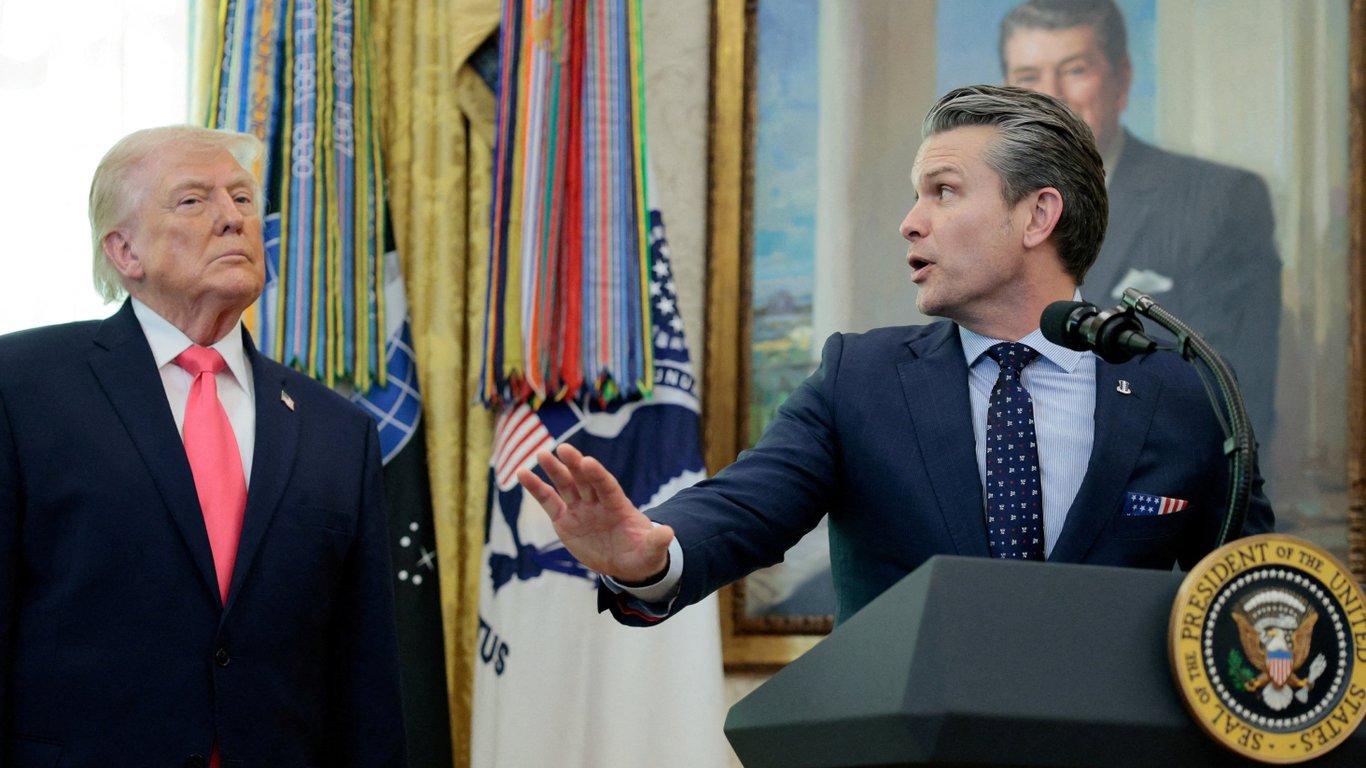
White House Prepares for a Shock Scenario in the Oil Market
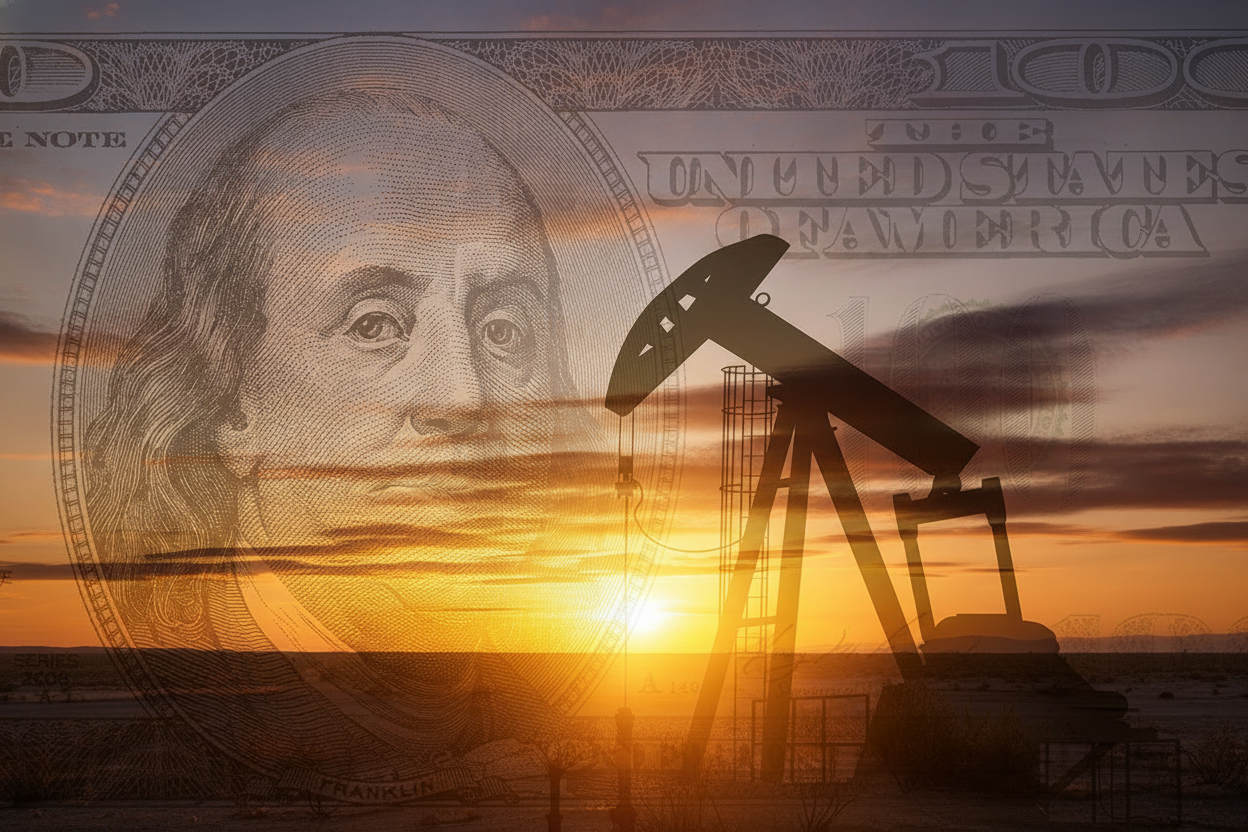
According to Novyny.live: Advisers to Donald Trump are evaluating the potential fallout if crude oil prices climb to $200 per barrel amid escalating tensions with Iran. While officials are mapping out various contingency plans, they have not publicly confirmed that such an extreme outcome is likely. On February 28, the U.S. and Israel carried out strikes against Iran, but the White House issued a statement on March 25 indicating that diplomatic efforts to resolve the conflict are still ongoing.
Iran, for its part, has publicly rejected Donald Trump’s demand for negotiations. U.S. Treasury Secretary Scott Bessent commented on the situation, noting that the administration continuously assesses different pricing scenarios and their economic impact. However, he stated that officials are not considering the possibility of oil reaching $200 per barrel, and he is not 'worried' about short-term supply disruptions that might result from Operation Epic Fury.
Historical Precedent and Market Implications
The global oil market has seen the $200-per-barrel mark before. In 2008, prices hit that level, triggering severe economic consequences. It is worth noting that the Strait of Hormuz handles up to one-fifth of the world’s oil and gas exports, meaning any shift in the situation there could have a profound effect on global markets.
As a result, the atmosphere remains tense, and the White House is closely monitoring events while preparing potential strategies to respond to developments in the region.
In an interconnected global economy heavily reliant on energy resources, any volatility in oil prices can have far-reaching effects. A price spike would not only impact the energy sector but also ripple into other areas, including inflation and consumer spending. It is therefore critical for international players to maintain dialogue and seek ways to stabilize the region, in order to avoid a repeat of the kind of economic crisis seen in 2008.
Read also
- Global Fuel Markets Shaken as Ukrainian Drones Undermine Russian Control
- Russian Business Owners Are Moving Billions Abroad Amid Fears of Asset Seizure and Forced War Funding
- Former Minister Sobolev Takes on New Role in the President’s Office: What He Will Be Working On
- India Becomes Fuel Supplier to Russia as Diesel Shortage Bites
- Currency Panic Grips Ukraine: Expert Reveals Why People Are Losing Faith in the Hryvnia
- Major Salary Hikes Planned for Ukrainian Rescuers: Here’s What They Could Earn