New Law Would Jail Ukrainian Commanders for Ignoring Subordinate Reports.


Draft Law No. 15120
According to Novyny.live: Ukraine's parliament, the Verkhovna Rada, has introduced Draft Law No. 15120, which proposes penalties for military commanders who fail to respond to reports from their subordinates. Suggested sanctions include arrest for up to 10 days and monetary fines. The legislation aims to strengthen discipline within military units by emphasizing the importance of addressing lower-level requests.
Penalties for Ignoring Reports
Under the draft law, commanders who disregard reports could face fines ranging from 50 to 100 times the tax-free minimum income. For repeat offenses or during special periods, these penalties would increase to 100–200 times the minimum. Under martial law, fines could range from 200 to 500 times the tax-free minimum, with arrest terms of 5 to 10 days also possible.
Key points to note:
- Article 172-13 of Ukraine's Criminal Code penalizes abuse of official position;
- Article 172-14 covers exceeding official authority.
Officers who exceed their authority risk fines of 70 to 145 times the tax-free minimum or up to 7 days in a guardhouse. During special periods, fines for exceeding authority could rise to 145–285 times the minimum, or 7–10 days of arrest. Additionally, under Articles 425, 426, and 426-1 of the Criminal Code, offenders could face actual prison time.
Legal experts have criticized the new draft law on penalties for ignoring reports. They have expressed concerns about potential negative impacts on military discipline and command structure, as well as the possibility of abuses in applying the new sanctions.
Draft Law No. 15120 has sparked lively debate within military circles, as its implementation could significantly change approaches to discipline and the relationship between commanders and subordinates in the modern army.
If passed, this draft law could substantially affect military discipline in Ukraine, underscoring commanders' accountability for their actions and interactions with subordinates. This could mark an important step toward improving teamwork and timely responses to requests, which in turn would impact the overall effectiveness of military units.
However, the legal experts' warnings about possible negative consequences highlight the need for careful discussion and refinement of the draft law to prevent abuses and ensure stability within the command structure.
Read also
- Poroshenko Calls on Parliament While Delivering $28 Million in Drones and Gear to Ukraine’s Military
- Ukraine Refrains from Striking the Crimea Bridge, Security Forces Commander Explains Why
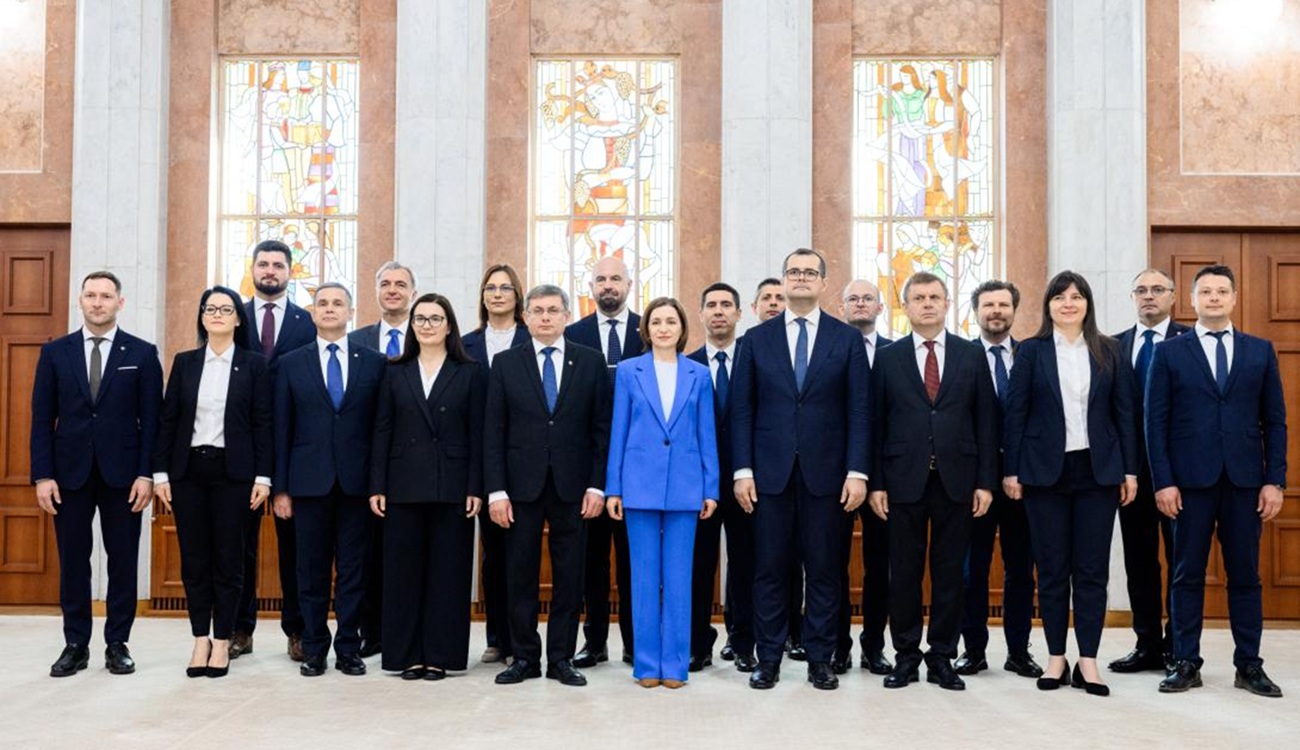
- New Moldovan Government Takes Office: Who Holds Key Cabinet Positions
- Ukraine Calls Emergency UN Security Council Session Over Russian Strikes on Civilian Ships in the Black Sea
- Kremlin propaganda pushes false claims of US-Russia talks that exclude Ukraine
- Fedorov Dismissed as Defense Minister: Tensions with Syrskyi Behind the Decision