Tensions Between Fedorov and Syrskyi: Ukraine’s Defense Minister Resigns Amid Protests.

Friction Within Ukraine’s Military-Political Leadership
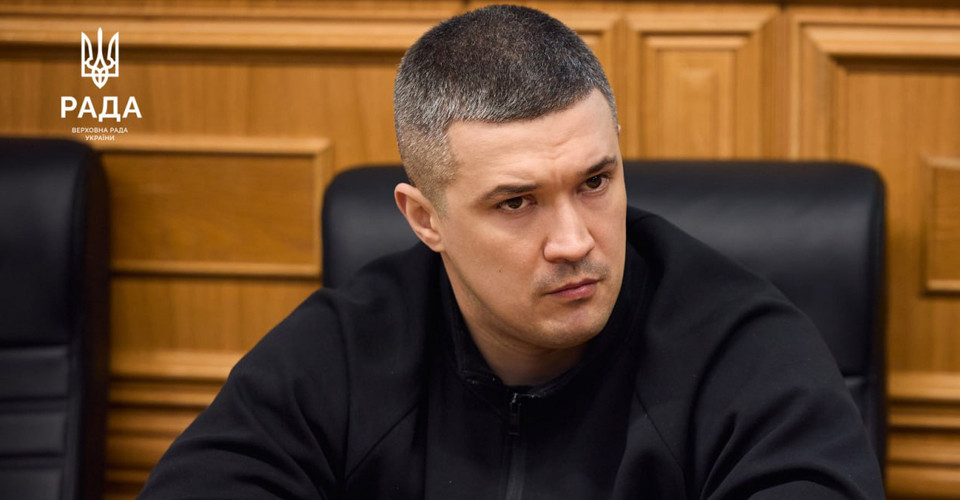
According to Espreso.tv: This article examines the escalating tensions within Ukraine’s military-political leadership, particularly between Defense Minister Mykhailo Fedorov and Commander-in-Chief Oleksandr Syrskyi, and the resulting fallout including protests and resignations. On July 14, the Verkhovna Rada voted to dismiss the Svyrydenko government, setting the stage for a leadership shakeup. The following day, Fedorov announced his resignation as defense minister, even as he had been pushing for Syrskyi’s removal.
An audit uncovered overspending of 300 billion UAH in the Ministry of Defense and the Armed Forces of Ukraine, adding to the strain between the two leaders. On July 17, more than 10,000 people gathered in Kyiv to show support for Fedorov, signaling significant public backing. Demonstrations spread to over a dozen Ukrainian cities and also occurred in Warsaw, reflecting a broad reaction to these developments.
Responses to the Leadership Rift
On July 20, lawmaker Kachura called for an emergency session of the Verkhovna Rada to hear from both Syrskyi and Fedorov. Pavlo Lakiychuk remarked that
“the conflict between the defense minister and the commander-in-chief was brewing for some time”and added that
“the commander-in-chief answers to the president but is also partially dependent on the defense minister”. He further noted that “the war has been ongoing for five years, commanders-in-chief have changed, defense ministers have been embroiled in scandals, yet the underlying issue remains unresolved.”
For his part, Fedorov claimed that “Syrskyi issued him an ultimatum and blocked ministry initiatives,” while Syrskyi stressed the need to stay focused on the war effort. These events highlight serious internal rifts in military-political governance that could have far-reaching consequences for the country’s defense capabilities.
These conflicts within Ukraine’s military-political leadership not only underscore domestic challenges but also affect the broader national situation amid an ongoing war. Given the public’s active response to these events, they may serve as a catalyst for further changes in leadership structures and defense management approaches. The public’s support for one of the figures involved also suggests a desire for stability and clarity in strategic command during wartime.
Read also
- Ukraine Defense Minister Resigns After Clash with Top General, Sparking Nationwide Protests
- Portnikov on Defense Ministry Personnel Moves: Firing Both Would Be a Mistake
- Syrskyi Breaks Silence on Feud with Fedorov: Is a Military Leadership Shakeup Coming?
- Zelenskyy Offers Fedorov a Role on Ukraine's National Security Council Amid Protests in 16 Cities
- Urgent Parliamentary Hearing Demanded for Top Military and Digital Officials Amid Leadership Crisis
- Plakhuta Urges No Smear Campaign Against Syrsky: What's Behind Fedorov's Resignation