Ukraine to Phase Out the Kopiyka, Introducing the 'Shah' Coin.

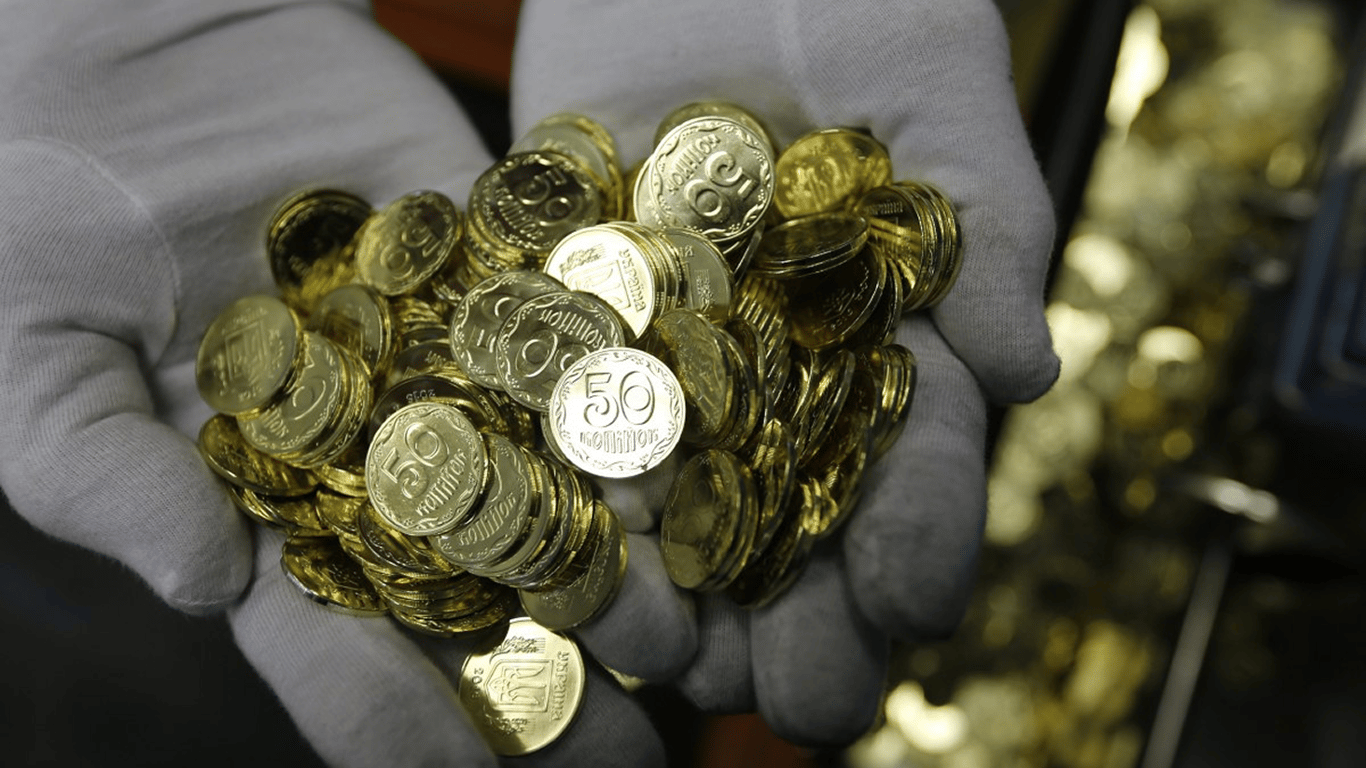
Ukraine's Currency Reform: Replacing the Kopiyka with the 'Shah'
According to Novyny.live: The National Bank of Ukraine (NBU) has announced plans to gradually withdraw the kopiyka, the country's smallest coin, from circulation. It will be replaced by a new coin called the 'shah.' NBU Governor Andriy Pyshnyi explained that this move is the final stage of a monetary reform that began back in 1996. This change is particularly symbolic as it coincides with the 30th anniversary of the modern Ukrainian hryvnia. The transition is designed to streamline the nation's currency system and complete a long-running financial overhaul.
Once phased out, the kopiyka will be succeeded by the new shah denomination. Currently, an estimated 1.5 billion 50-kopiyka coins are in active use, highlighting their prevalence in daily Ukrainian life. This significant replacement marks a pivotal update to the country's monetary framework.
Economic Impact of the Coin Replacement
The decision carries practical economic benefits. Each year, the mint must produce between 20 and 30 million new 50-kopiyka coins, a recurring manufacturing burden. According to Governor Pyshnyi, introducing the shah will not require any additional funding from the state budget, making it a cost-effective measure for the treasury.
'We view the replacement of the kopiyka with the shah as the completion of the monetary reform,' stated Andriy Pyshnyi.
Beyond economics, the shift is seen as a step toward reinforcing national identity and statehood, representing a further break from the country's Soviet-era monetary past. Consequently, replacing the kopiyka is not merely a logistical change for cash transactions but also a meaningful stride in shaping Ukraine's independent economic policy.
This landmark decision for Ukraine reflects a drive to modernize its financial system while strengthening national symbolism. The new coin will likely influence everyday consumer habits as it becomes integrated into daily life. By finalizing a process started decades ago, this reform could act as a catalyst for broader economic changes in the country.
Read also
- Russia’s Oil and Gas Revenue Set to Surge by 60%—Here’s What’s Driving the Jump
- IMF Disburses $690 Million Second Tranche to Ukraine: Where the Funds Are Going
- Russia’s Budget Deficit Could Hit 7 Trillion Rubles—What Are the Default Risks?
- Expert Sets Critical Threshold: 60% of Russia's Oil Refining Capacity Must Be Destroyed
- Russia Faces Imminent Fuel Crisis: Why Refinery Recovery Is Nearly Impossible, Expert Warns
- Economist identifies Russia's point of no return: why it can never reclaim its place among global economic leaders