Europe's Populist Challenge: Why the EU Struggles to Find Common Ground.

A Deepening Crisis of Trust Within the European Union
According to UATV: A growing crisis of confidence is becoming increasingly apparent within the European Union, fueled by the rise of right-wing populist forces, notably in France. French President Emmanuel Macron, now in his final term, is contributing to this political instability. As European nations face economic pressures—exemplified by the closure of automotive plants in Germany—populist movements are capitalizing on the discontent to strengthen their position.
Currently, 72% of EU citizens view armed conflict as the primary threat to their security. This perception adds further pressure on European governments as they seek solutions to stabilize the situation. Analyst Oleksandr Kolesnychenko emphasizes that Europe's progress will remain stalled until it can effectively engage with these populist factions. He warns that these right-wing forces will not rest on their laurels but will instead leverage these crises as a key tool for mobilizing public support.
The Impact of Global Pressures
The situation is further complicated by global challenges, such as Chinese investments in EU nations with authoritarian leanings, including Hungary and Slovakia. Kolesnychenko notes these investments are part of a broader strategy where China and Russia seek greater influence over the European market. In this context, he argues that Europe must revitalize its own industrial base and reduce its strategic dependency on the United States. This debate over strategic autonomy sits at the heart of the EU's future direction.
The key drivers behind the surge in right-wing populism are:
- Migration concerns
- Anti-Brussels sentiment
- Anti-liberal rhetoric
These elements are proving crucial in shaping public opinion and political platforms. The current situation is highly revealing and warrants close observation, as the future cohesion of the European Union hinges on the member states' ability to communicate and cooperate effectively.
Amid rising political instability and economic strain, the European Union confronts serious threats that could reshape its internal politics and structure. The growth of populist forces, fueled by public dissatisfaction, demands swift and effective action from EU governments to restore public trust and stabilize the bloc. Simultaneously, external pressures from actors like China and Russia underscore the urgent need for greater integration and a unified effort to safeguard European interests.
Read also
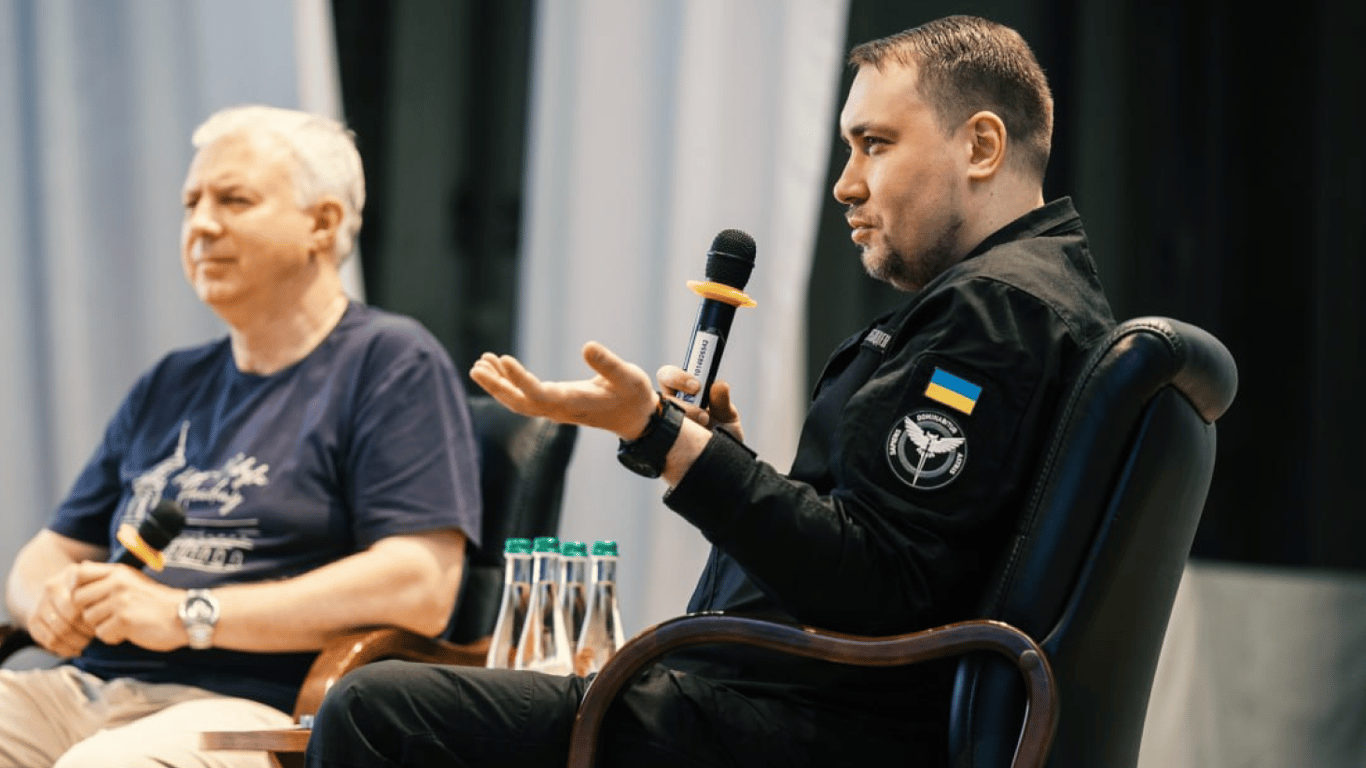
- Prisoner Swap Expected Within Days, Says Ukrainian Official Budanov
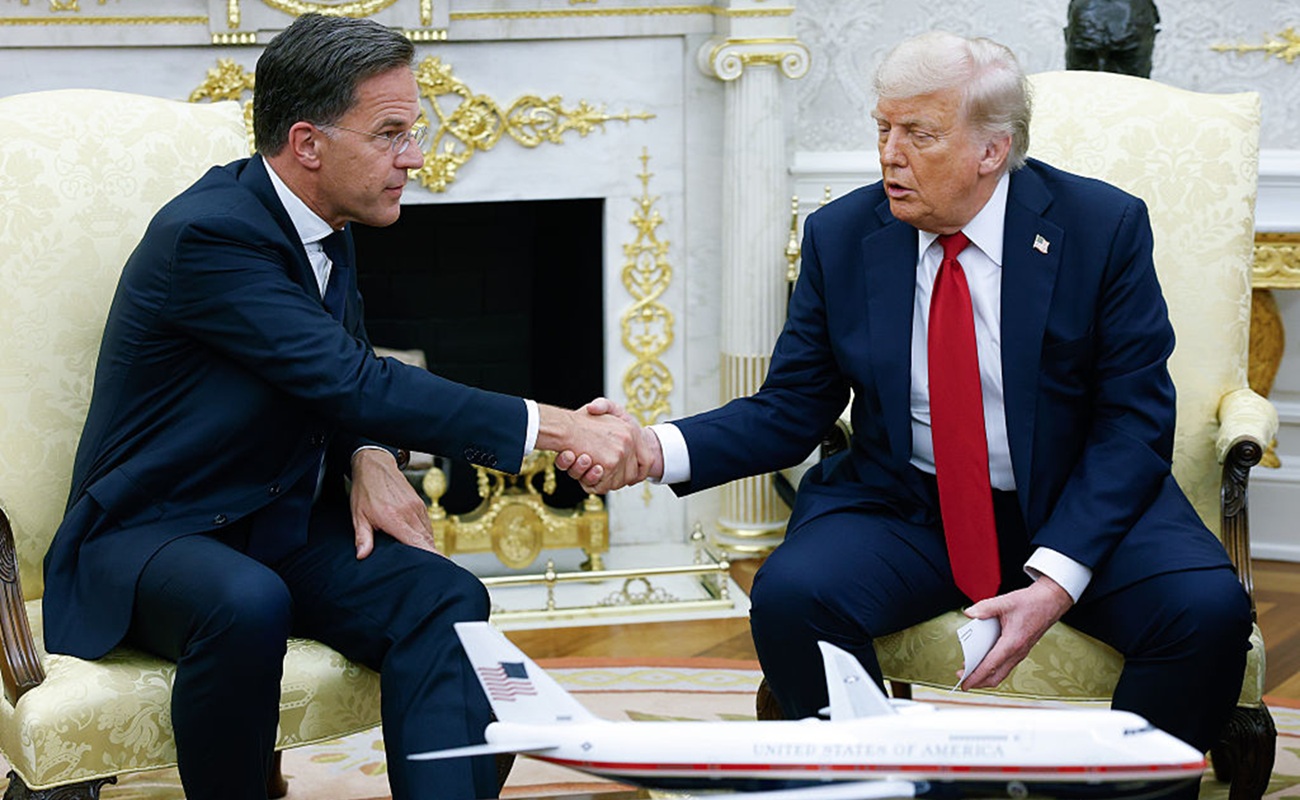
- Rutte Presses Trump at the White House: Is NATO’s Unity at Risk?
- Polish President Nawrocki Surpasses Holownia in Polls: Inside the Controversy Over Stripping Zelensky of an Order
- Germany’s Justice Minister Arrives in Kyiv with a New Cooperation Program Aimed at EU Integration
- Moldovan Citizens Get Faster Track to Ukrainian Citizenship: Here’s What’s Changing
- 160 Ukrainian Defenders Freed from Captivity: Who Was Released in the Latest Exchange