Avoiding Food Poisoning: How Many Cutting Boards You Need and How to Choose Them.

Essential Kitchen Safety: Using Cutting Boards Correctly
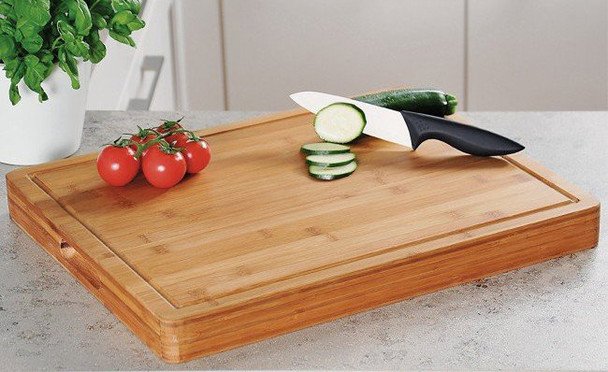
According to TSN.ua: Using cutting boards properly is a critical step in preventing cross-contamination of food. This is a key aspect of food safety, as bacteria like Salmonella and E. coli can linger in the grooves of a board and pose a serious health risk. Adhering to guidelines on the number and type of boards you use is vital for minimizing these dangers. In the home kitchen, this simple practice is one of the most effective ways to protect your family.
You should have at least two separate cutting boards: one for raw ingredients and another for ready-to-eat foods. This prevents raw juices from mixing with cooked items, a major factor in preventing foodborne illness. For those who frequently prepare seafood, a third board is recommended to provide an even higher level of safety.
The Color-Coded System for Cutting Boards
An effective method to prevent cross-contamination, widely used in professional kitchens, is a color-coded system for cutting boards. A red board is designated for raw meat, blue for fish, green for vegetables, and yellow for poultry. This approach allows for instant identification of which board is meant for which food group, significantly reducing risks. Many home cooks are now adopting this restaurant-standard practice for added safety.
Regarding materials, wooden boards possess natural antibacterial properties, making them an excellent choice for kitchen use. With proper care, such as regular oiling, a wooden board can last up to five years. Plastic boards, while generally less durable, remain suitable for one to two years under regular, intensive use before they need replacing.
Therefore, ensuring kitchen safety involves not only having an adequate number of cutting boards but also selecting the right material and employing a clear identification system. These steps will effectively prevent cross-contamination and support high-quality food preparation.
As public focus on food safety increases, the correct use of cutting boards becomes ever more important. Implementing standards for color-coding and material selection can substantially reduce the risk of food poisoning, a crucial consideration for both home cooks and professional chefs. Understanding these principles contributes to overall kitchen safety and builds greater consumer confidence in the meals we prepare.
Read also
- The Secret Ingredient That Transforms Ordinary Cutlets into Juicy Perfection
- 30-Minute Baked Zucchini: A Simple Recipe from 'Kitchen with Marina'
- A Quick and Easy Salad with Young Cabbage and Radishes for Lunch or Dinner
- Jeans That Secretly Make You Look Heavier: Who Should Avoid Them
- 30-Minute Potato Dough Pies with Cheese and Ham: A Quick Family Recipe
- Chocolate Cake with Nut Caramel: A Recipe from Gospodynka