Sauerkraut Storage Guide: How to Preserve Flavor and Health Benefits.

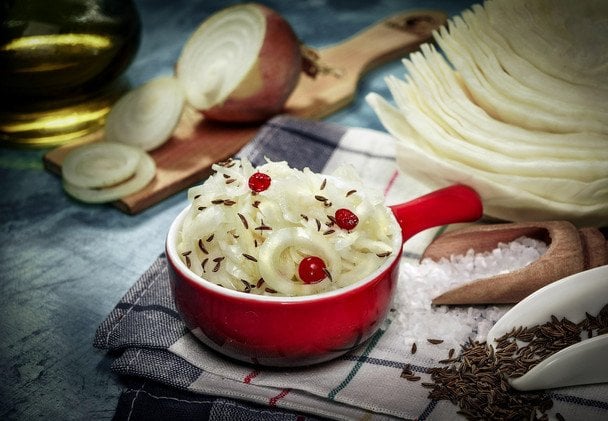
Key Principles for Storing Sauerkraut
According to TSN.ua: To maintain the quality and taste of sauerkraut, a staple in many cuisines, it's essential to understand its specific storage requirements and shelf life. Proper storage can prevent spoilage and extend the product's usability, with durations ranging from a few days at room temperature up to eight months in cold conditions.
Adhering to optimal temperature ranges is fundamental. The ideal storage temperature is between 0–4 °C (32–39 °F). At room temperature (+15…+22 °C / 59…72 °F), sauerkraut remains good for only 3–6 days. An opened jar in the refrigerator lasts a maximum of 2–3 weeks, while an unopened jar stored in a cellar can stay edible for 3–8 months. When frozen solid at -18 °C (0 °F), sauerkraut can maintain good quality for up to a year.
Shelf Life and Spoilage Indicators
Storage times vary significantly with conditions. An unopened jar kept in a refrigerator or cellar at 0–4 °C can be preserved for 3–8 months. Freezing at -18 °C extends this period to 8–12 months. It's also important to note that for proper fermentation, the salt used should constitute 1.5–2.5% of the cabbage's weight.
Signs that sauerkraut has spoiled include noticeable changes in color, odor, or texture. A slimy feel or an unpleasant, off-putting smell are clear indicators the product is no longer safe to eat. For long-term preservation, following recommended temperatures and handling procedures before consumption is crucial.
Understanding these storage timelines and conditions is key to preserving sauerkraut's distinctive tangy flavor and its valuable nutrients for extended periods. Correct storage ensures not only prolonged use but also the retention of the healthful compounds prized in a balanced diet.
Storing sauerkraut successfully requires careful attention to detail, as this impacts both the taste of your dishes and the safety of the product.
Remember, sauerkraut is not just tasty but also beneficial, thanks to its content of vitamins and probiotics which support digestive health. This fermented food has seen a resurgence in popularity due to these gut-friendly properties. By following these guidelines, consumers can maximize the shelf life of this traditional food, enjoying its taste and benefits throughout the year.
Read also
- 30-Minute Potato Dough Pies with Cheese and Ham: A Quick Family Recipe
- Chocolate Cake with Nut Caramel: A Recipe from Gospodynka
- 5 Key Composting Mistakes That Prevent Decomposition and How to Fix Them
- Perfect Cherry Compote Recipe Revealed: Exact Sugar and Berry Quantities
- 2026 Hair Trends Bring Back the 80s: Volume, Curls, and Princess Diana-Inspired Cuts
- Princess Diana’s Favorite Wedge Sandals Make a Major Comeback in 2026