EU Leaders Take Aim at Costa Over Kremlin Outreach: Is Support for Ukraine at Risk?.

European Council President Under Fire
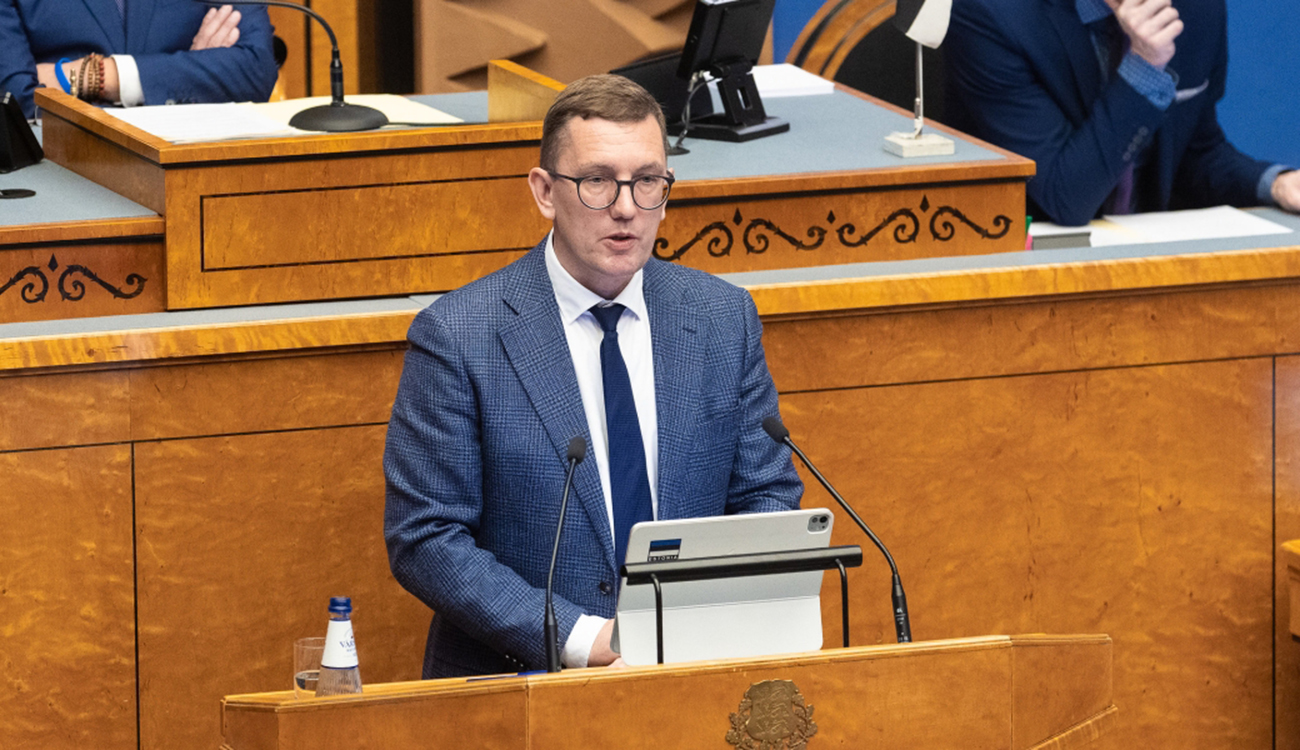
According to UATV: European leaders, including Estonian Prime Minister Kristen Michal, have sharply criticized European Council President Antonio Costa for his engagement with the Kremlin. The premiers of Latvia, Lithuania, and Estonia voiced their displeasure over attempts to establish a communication channel with Moscow. This has sparked concerns that such a strategy could weaken the bloc's backing for Ukraine as it resists Russian aggression.
Kristen Michal's Stance
In his remarks, Kristen Michal asserted that
“the European Union cannot assume the role of mediator in these negotiations”(Kristen Michal). He emphasized that the objective remains unchanged:
“Vladimir Putin must ultimately accept the conditions set by Volodymyr Zelenskyy and Ukraine”(Kristen Michal). These statements reflect the Estonian leader's firm commitment to Ukraine and his rejection of compromises that could undermine its interests.
Pedro Lourtie, head of the European Council President's cabinet, has declined to comment on the situation. However, Costa's apparent willingness to engage in dialogue with Russia is causing unease among Baltic states. Previously, Volodymyr Zelenskyy urged Europe to take a more active role in the peace process, further underscoring the need for EU unity on security matters and support for Ukraine.
As a result, the relationship between the European Union and Ukraine remains a top priority for European leaders, especially in light of Costa's recent initiatives. It is crucial that all parties continue to pursue a stable and effective policy regarding the conflict in Ukraine, ensuring unwavering assistance in the fight against Russian aggression.
The backlash against the European Council President's actions highlights the Baltic states' heightened sensitivity to any potential compromises with Russia, given their historical experience of aggression from their neighbor. EU cohesion in supporting Ukraine is critically important amid the ongoing threat from Russia, and the bloc's future policy on this issue could significantly impact regional stability.
Consequently, the upcoming decisions by Costa and his team will play a major role in shaping European security policy and the level of support for Ukraine's struggle to maintain its territorial integrity.
Read also
- Zelenskyy and Coalition Leaders Set for Landmark Paris Military Parade
- Ukraine and Moldova Are Poised to Launch All Five EU Accession Clusters
- Positive Steps Forward: Zelenskyy Reports Progress on U.S. Drone Agreement
- European Parliament Urges Reconciliation Between Ukraine and Poland Over UPA Dispute
- France to Supply SAMP/T Missiles to Ukraine: Zelenskyy Reveals Timeline
- Over 20 Predictions for War’s End by Zelensky and Budanov: Where the Forecasts Went Wrong