Ukrainians are allowed to receive payments while starting a business: how it works.

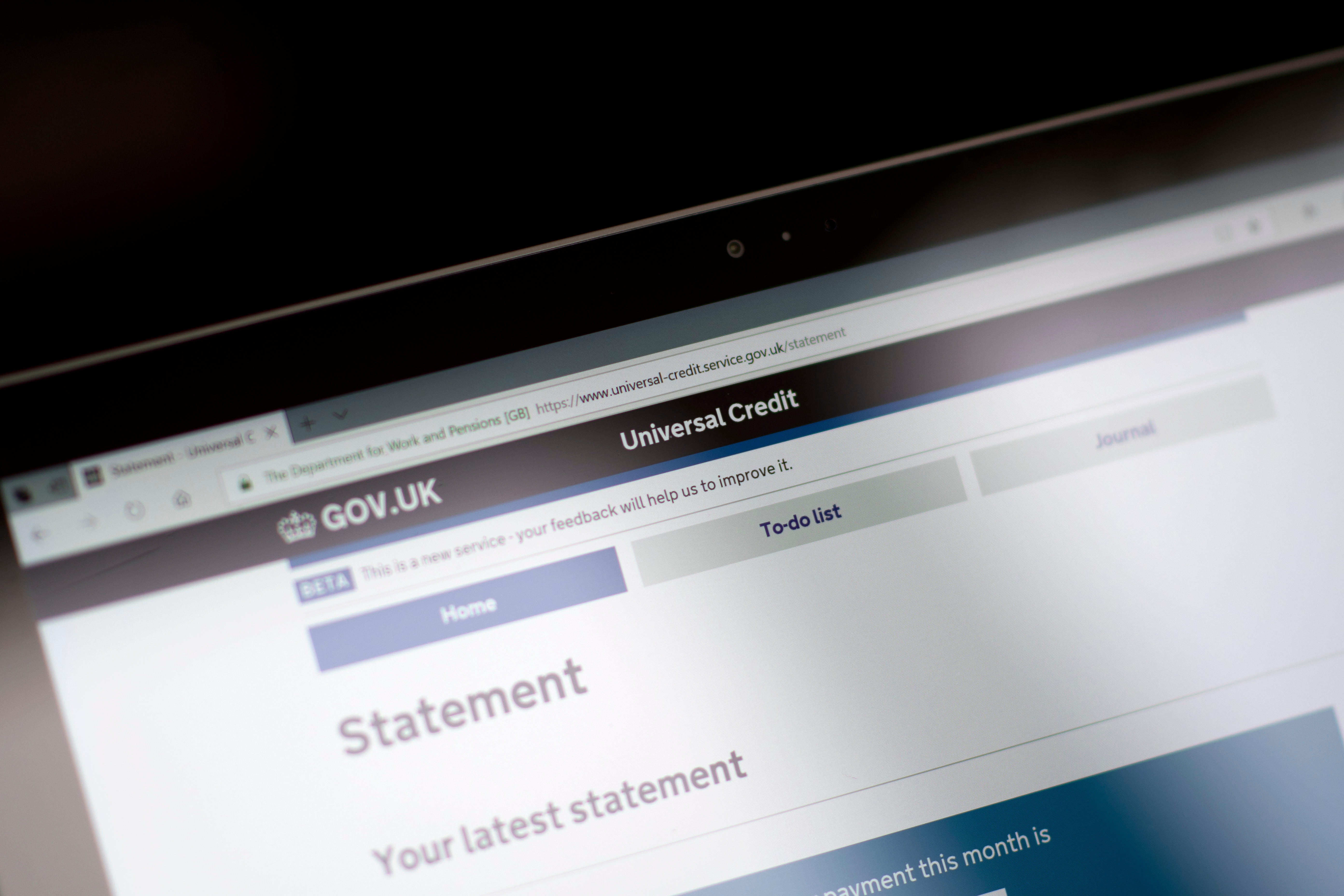
According to The Sun: Millions of people receiving Universal Credit and wishing to start a business can retain their payments thanks to a little-known rule.
You remain on benefit if you start a business under the 'start-up period' rule.
This means your Universal Credit support is calculated based on your actual earnings.
This differs from the usual calculation, which is based on the so-called 'minimum income floor.'
This threshold is used to calculate the maximum support that some self-employed individuals can receive.
Next, we will look at how these rules work and what they may mean for you if you plan to become a self-employed entrepreneur.
How does the 'start-up period' rule work?
The minimum income floor is the amount the government thinks self-employed individuals should earn.
It is used to calculate your payments.
The minimum income floor is set at the level of the national minimum wage, based on the number of hours you were supposed to work.
This weekly figure is multiplied by 52 (the number of weeks in a year) and divided by 12 to get a monthly amount.
For everyone, the minimum income floor will vary and depend on the number of agreed hours with your advisor.
For example, if a 25-year-old has agreed to work 20 hours weekly, at a national minimum wage of £12.21, their minimum income floor would be £1058.2 per month.
But if you are starting a business, the rules change.
If your business has existed for less than 12 months, you qualify for the so-called ‘start-up period’, which changes the way your payments are calculated.
This means that the 'minimum income floor' does not apply to you during the first 12 months.
Instead, your payments are calculated based on your actual earnings.
How can I get Universal Credit and the start-up period?
You may be eligible for Universal Credit if you meet the following criteria:
- you live in the UK
- you are 18 years or older (there are exceptions for 16-17-year-olds)
- you are younger than retirement age
- available income in accounts, savings, and investments does not exceed £16,000
- you have a low income, are unemployed, or unable to work
However, if you are attempting to start a business and are self-employed, you will need to prove that your self-employment is your main activity.
This includes the following aspects:
- self-employment is your primary job or main source of income
- you receive a steady income from self-employment
- your activity is organized — you have accounts, receipts, or reports
- you expect to make a profit
If you can prove this, you will be recognized as 'profitable self-employed'.
This means you do not need to look for another job, and you can focus on developing your business.
If you cannot meet these requirements, you may have to look for another job if you wish to receive Universal Credit.
To receive Universal Credit while starting a business, you should attend an interview with your work advisor.
During this interview, it will be determined whether you will be considered 'profitable self-employed' and whether you are eligible for the 'start-up period'.
You will be eligible for the start-up period if:
- you were not previously profitable self-employed while receiving Universal Credit, and
- you are actively working to increase your self-employment income
During your start-up period, you will not need to look for or be available for other work.
Also during this period, you will receive support from an advisor specially trained to work with self-employed individuals.
If you are applying for Universal Credit while starting a business, you will also need to report your income and expenses.
At the end of each monthly reporting period, you must state:
- how much you earned from self-employment, even if it is nothing
- any amount you paid toward pension contributions
- payments to and from your business
Additional support during business start-up
There are other ways to get support when starting a business.
The government offers Start-Up loans, ranging from £500 to £25,000 to start or expand your business.
You will also receive free support and advice for writing a business plan, and successful candidates will receive up to 12 months of free consultancy.
To apply for a loan, you must:
- reside in the UK
- be over 18 years old
- have (or plan to start) a business that has been operating for less than 36 months.
This loan is an unsecured personal loan, and you will need to undergo a credit check.
These loans have a fixed interest rate of 6% per annum.
You will be able to repay the loan within 1-5 years, without application fees and early repayment charges.
The government also has a free online tool to search for grants and loans available for small businesses.
Also, do not forget to consider the option of crowdfunding.
If you are aged 18 to 30 and have a business idea, the free Enterprise program from the Royal Foundation can help with expert workshops, personal support, and the opportunity to apply for funding.
How to start your own business
Star of the Dragon's Den show, Theo Paphitis shared tips for beginner entrepreneurs:
- One of the biggest obstacles potential entrepreneurs face is a lack of confidence. You need to believe in your idea — even be ready to annoy your friends about it.
- Never be afraid to make decisions. Once you have an idea, confidence in making decisions is critical for starting and sustaining a business.
- If you do not take calculated risks, you will stay in place. If a decision turns out to be wrong, identify it quickly and address it if you can. If not, seek someone else who can.
- It is normal not to get everything right the first time. My experience in making poor decisions helped develop my confidence, becoming who I am today.
- Never underestimate the power of social media and remember that the internet has leveled the playing field for small businesses.
- Do not forget to dream. The machine cannot do that!
So, if you plan to start your own business, consider all the factors mentioned and do not hesitate to seek help. Various programs and resources can be crucial to your success. Your determination and willingness to work can turn ideas into reality.
Success in business often comes to those who are not afraid to take risks and learn from their mistakes. Therefore, constantly improve, seek new opportunities, and make use of available resources to achieve your goal.
Read also
- New U.S. Tariffs Hit 60 Nations: Here Are the Rates for the EU and Russia
- Russia’s Oil and Gas Revenue Set to Surge by 60%—Here’s What’s Driving the Jump
- IMF Disburses $690 Million Second Tranche to Ukraine: Where the Funds Are Going
- Russia’s Budget Deficit Could Hit 7 Trillion Rubles—What Are the Default Risks?
- Expert Sets Critical Threshold: 60% of Russia's Oil Refining Capacity Must Be Destroyed
- Russia Faces Imminent Fuel Crisis: Why Refinery Recovery Is Nearly Impossible, Expert Warns