The UK simplifies taxes for high-income parents: what has changed.

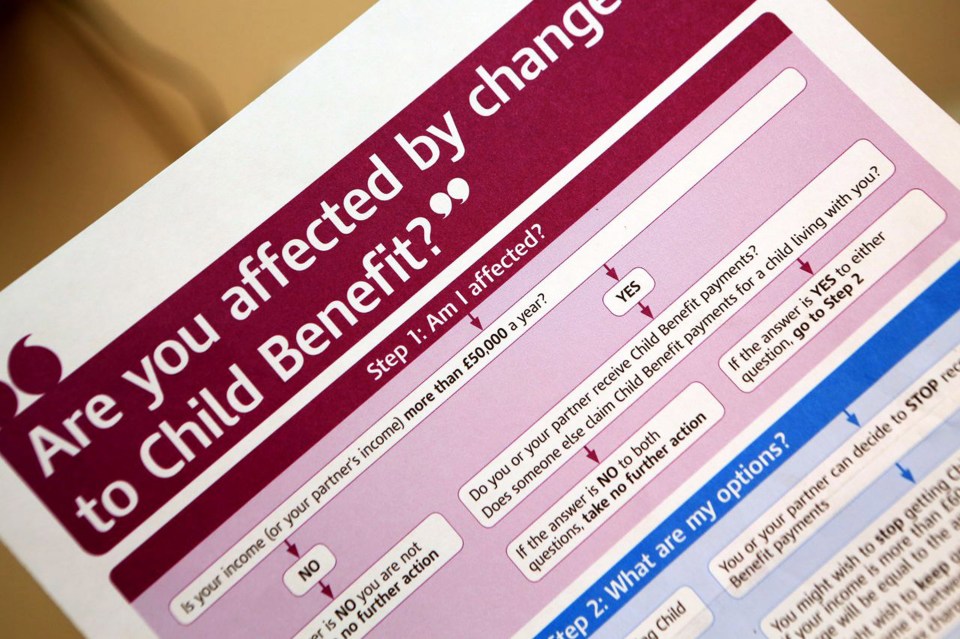
Changes in child benefit
According to The Sun: Important changes to child benefit payments have been announced in Ukraine, affecting hundreds of thousands of parents.
Child benefit is provided to those raising a child under 16 years old or up to 20 years if the child is studying.
GettyThis payment helps parents cover the costs of caring for children.
The payment is made twice a week: £26.05 per week for the eldest or only child and £17.25 for other children.
However, if your or your partner's annual income exceeds £60,000, you will be required to start repaying part of the benefit received, known as the 'high income payment charge.'
The more you earn, the more you will have to repay. Once your income reaches £80,000, you will need to repay the entire amount.
Previously, the only way to repay the benefit was by filing a tax return.
This system has changed: at last autumn's budget, the government announced a review of the reimbursement methods for high-income parents.
New rules for repaying benefits
Since yesterday, parents can repay the debt through the PAYE system.
This system is used by employers or pension providers to collect income tax and National Insurance contributions before paying you your salary or pension.
Your tax code indicates how to adjust the tax information for the employer.
Due to the changes, parents can opt out of filing a tax return; instead, HMRC will adjust your tax code to inform your employer about changes in taxes.
Hundreds of thousands of people previously filed returns just to reclaim HICBC and can now benefit from the new digital service.
However, you should notify HMRC of your intention to stop filing self-assessments by the filing deadline for the 2024-25 tax year, which ends on January 31, 2026.
HMRC will send over 100,000 letters to those who have recently become high-income taxpayers, inviting them to take advantage of the new service.
“We are modernizing HMRC to simplify taxes.
“Tens of thousands of parents no longer need to go through the additional effort of filing a tax return as this new simple system will take the stress out of repaying high child benefit payments.”
Checking your tax code
You can check your tax code in your personal tax account online, on pay slips, or via the HMRC app.
If you have it, you can also check it on the 'Tax Code Notice' letter from HMRC.
Keep in mind that you may need your Government Gateway ID and password to log in.
If you don't have it, you can use your National Insurance number or postcode and two of the following:
- A valid UK passport
- A photo driving license issued in the UK by the DVLA (or DVA in Northern Ireland)
- A pay slip from the last three months or P60 from your employer for the last tax year
- Details of any tax relief, if you've received it
- Details from self-assessment (for the last two years), if you filed one
- Information contained in your credit report, if any (e.g. loans, credit cards, or mortgages)
Dan Timlinson, Secretary of State, noted: “If they register, they will be provided with a new tax code reflecting their HICBC deductions.”
“Any fluctuations in income and eligibility for child benefit will be reflected in their tax code throughout the year.”
If you need to file a self-assessment for another reason besides reclaiming child benefit, you should continue to do so.
Eligible taxpayers can register via the HMRC app or on GOV.UK.
What support is available for parents?
Child care can be expensive. Here's how to get support:
- 30 hours of free child care – Parents of three and four-year-old children can apply for 30 hours of free care per week. To be eligible, you usually must work at least 16 hours a week at national minimum wage and earn less than £100,000 per year.
- Tax credits – For children under 20, some families may receive help with childcare costs.
- Child care vouchers – If your employer offers childcare vouchers, you could save up to £55 a week on taxes and National Insurance contributions. You pay for childcare services before taxes are deducted from your income. This scheme is open to new entrants until October 4, 2018, when it is set to be replaced by free childcare.
- Free child care – Available for working families and the self-employed, for every £8 you contribute, the government adds another £2.
These new rules will ease the process for parents to reclaim benefits and make it less burdensome. The modernization of the system will reduce administrative costs and save time. Parents who previously spent time on filing returns will be able to take advantage of a simpler approach. In the end, such changes could positively impact the family budgets of families with children.
Read also
- Global Fuel Markets Shaken as Ukrainian Drones Undermine Russian Control
- Russian Business Owners Are Moving Billions Abroad Amid Fears of Asset Seizure and Forced War Funding
- Former Minister Sobolev Takes on New Role in the President’s Office: What He Will Be Working On
- India Becomes Fuel Supplier to Russia as Diesel Shortage Bites
- Currency Panic Grips Ukraine: Expert Reveals Why People Are Losing Faith in the Hryvnia
- Major Salary Hikes Planned for Ukrainian Rescuers: Here’s What They Could Earn