Electric Ireland transferring thousands of customers to Power NI: what to do.

According to The Sun: Thousands of electricity consumers quietly switched to a new supplier.
Electric Ireland has been transferring its residential customers to a supplier from Northern Ireland – Power NI since September 8.
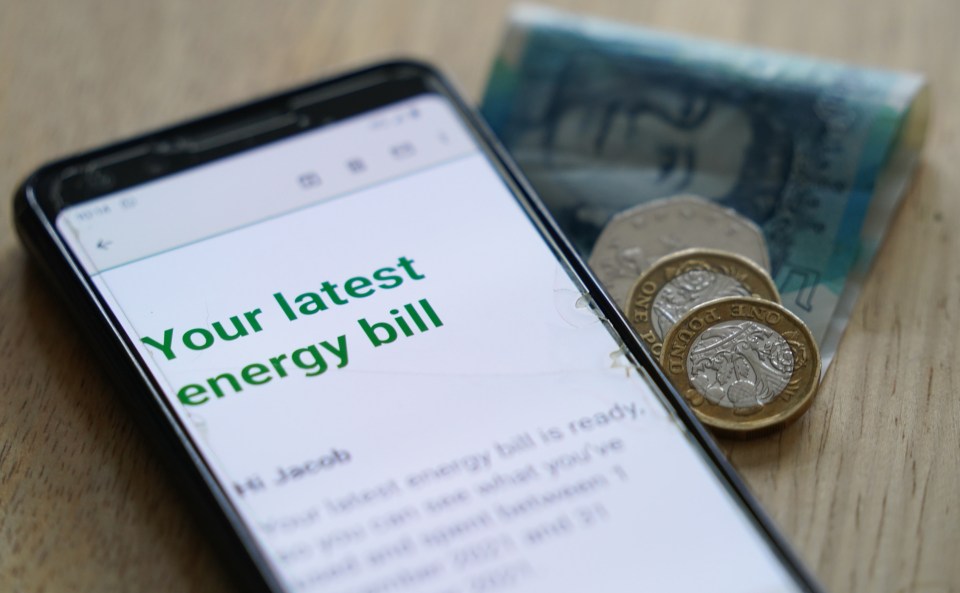
PAPhone screen displaying the latest energy bill. Author: PA
Electric Ireland is exiting the electricity supply market for households in Northern Ireland.
According to the company’s announcement, this decision was the result of a strategic review of the business in the region.
By the end of August, Electric Ireland supplied electricity to approximately 26,000 households who will now be transferred, reports the Irish Times.
This process does not affect Electric Ireland's business customers.
The transfer occurs automatically, so if you are one of the affected customers, you do not need to do anything.
Customers with debts will still be responsible for their outstanding balances, clarified Electric Ireland.
Credits on meters will also be transferred during the switch to a new supplier.
Power NI is the largest energy supplier in Northern Ireland and serves over 450,000 households.
On September 5, the company announced a 4% increase in electricity rates.
This increase will take effect from October 1 and applies to all Power NI Home Energy customers.
Customers who are transferred and fall under the new rates may notice more competitive offers.
This is already the second rate increase from Power NI in a year.
A Power NI spokesperson noted that the price rise was 'inevitable' following a review of domestic electricity prices.
The Northern Ireland energy services regulator is working with Electric Ireland to ensure consumers have 'protection and full information' during the transition.
If you are unsure about your situation after the switch, contact Power NI or Electric Ireland through their websites.
id='6380264301112' data-video-id='6380264301112' data-account='5067014667001' data-player='default' data-usage='cms:WordPress:6.5.6:2.8.6:javascript' data-embed='default' class='video-js' data-application-id='' controls style='width: 100%; height: 100%; position: absolute; top: 0; bottom: 0; right: 0; left: 0;'>Households are advised to check if they can find a better price after the switch.
The Consumer Council for Northern Ireland, an independent body protecting consumer interests, offers a free tool for comparing rates in the market.
The free Power to Switch tool can help find the cheapest offers for electricity in Northern Ireland.
How to get help with energy bills in Northern Ireland
Consumers in Northern Ireland do not fall under the energy price cap set by Ofgem, unlike their counterparts in England, Wales, and Scotland.
The energy services regulator here sets an equivalent price cap using a pricing review process.
The average annual electricity and gas bill in Northern Ireland is £2,068, according to the regulator’s data.
If you are having trouble paying your energy bills, contact your supplier as soon as possible.
Companies will sometimes review or reduce debt repayments for customers in difficult financial situations.
They may also refer you to organizations such as Advice NI which offer free, independent debt advice.
Suppliers can provide information on energy efficiency that may help reduce bills.
The government service Money Advice can help find support. Several options are available through its debt advice service.
The Money Talks service from Advice NI also offers money management advice.
How to get help with energy bills in England, Scotland, and Wales
In the UK (England, Scotland, and Wales), energy prices are regulated through Ofgem.
Ofgem sets a price cap that limits the maximum amount suppliers can charge per unit of gas and electricity.
From October 1 to December 31, 2025, the energy price cap will be £1,755 per year for a typical household using electricity and gas.
If you are having difficulty paying your energy bills, contact your supplier as soon as possible.
Companies are required to provide support.
This may include reviewing or reducing debt repayments or offering a payment plan.
They may also provide energy efficiency advice to reduce costs.
The Department for Work and Pensions (DWP) provides £150 for households receiving Universal Credit to help with energy bills this winter.
Warm Home subsidy is paid to millions of low-income households to help cover heating costs.
Organizations like Citizens Advice and StepChange Debt Charity also offer free, independent debt advice.
Let us know if you want a shorter or more formal version.
What help is available for paying energy bills?
There are several options for getting help with paying energy bills if you are having difficulties.
If you are in debt, you can always contact your supplier to see if they can offer you a repayment plan before transferring you to a prepayment meter.
This means repaying the debt in installments over some time.
If the repayment plan offered by your supplier is unaffordable for you, reach out again to see if a better deal can be reached.
Several energy companies have programs for customers who have trouble paying bills.
However, eligibility conditions vary by supplier, and the amount of aid depends on your financial circumstances.
For example, customers of British Gas or Scottish Gas who have payment difficulties may receive grants of up to £2,000.
British Gas also offers assistance through its Energy Trust Fund and Individual Family Fund.
You do not need to be a British Gas customer to apply for the second fund.
Companies such as EDF, E.ON, Octopus Energy, and Scottish Power also offer grants for customers experiencing difficulties.
Thousands of vulnerable households are missing out on additional support and protection by not signing up for the Priority Services Register (PSR).
This program supports vulnerable households, such as the elderly or those with chronic illnesses.
Benefits include alerts for power outages, free gas safety checks, and extra support for those facing difficulties.
Contact your supplier to find out how to apply.
Recent events indicate significant changes in the electricity market in Northern Ireland. The transfer of Electric Ireland customers to Power NI could trigger a new wave of rate increases, necessitating proactive responses from consumers. Advice on managing energy costs and available support programs may be valuable for those facing financial difficulties during this transition.
Read also
- Russia’s Oil and Gas Revenue Set to Surge by 60%—Here’s What’s Driving the Jump
- IMF Disburses $690 Million Second Tranche to Ukraine: Where the Funds Are Going
- Russia’s Budget Deficit Could Hit 7 Trillion Rubles—What Are the Default Risks?
- Expert Sets Critical Threshold: 60% of Russia's Oil Refining Capacity Must Be Destroyed
- Russia Faces Imminent Fuel Crisis: Why Refinery Recovery Is Nearly Impossible, Expert Warns
- Economist identifies Russia's point of no return: why it can never reclaim its place among global economic leaders