Boost Chicken Egg Weight by 20%: A Four-Step Strategy That Works.

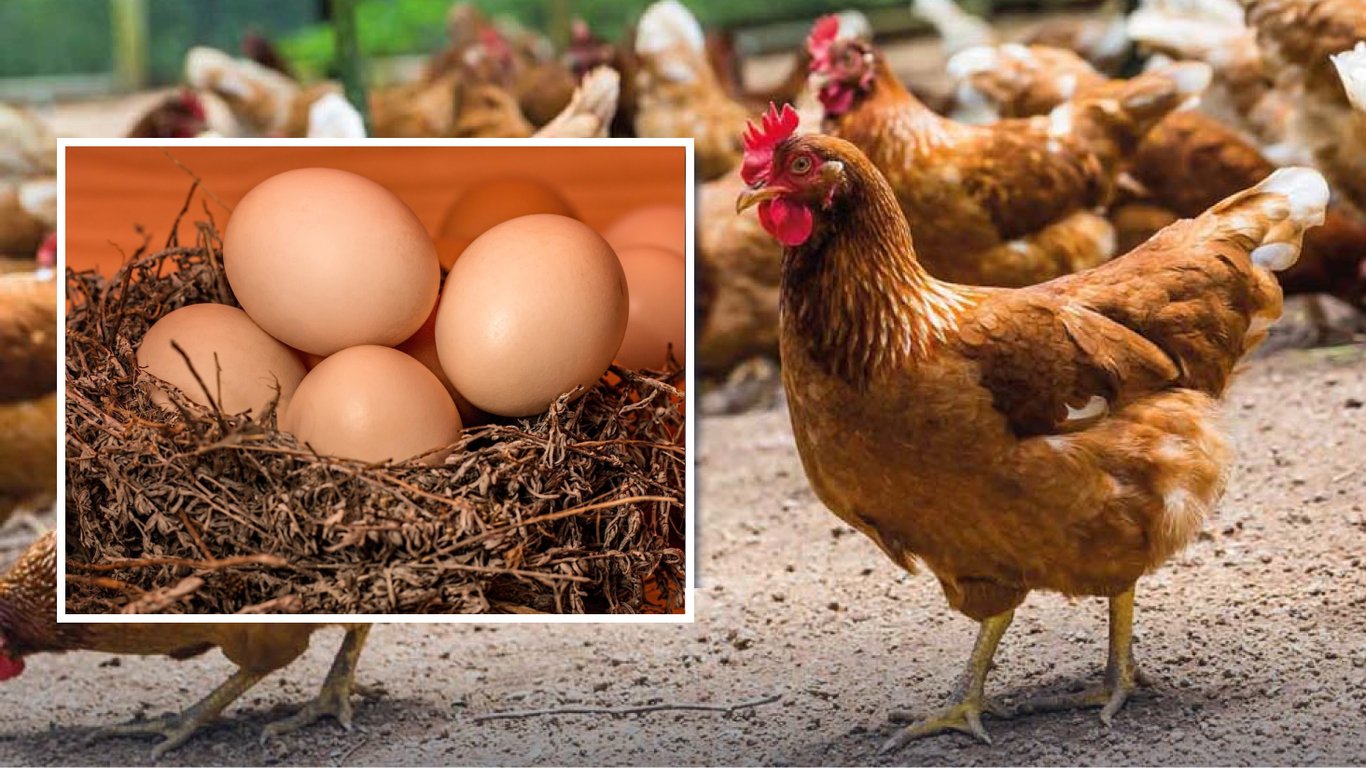
Increasing Hen Egg Mass
According to Novyny.live: Poultry farmers can raise the average weight of chicken eggs by up to 20 percent through a series of straightforward yet powerful adjustments. The key drivers behind egg weight include managing the hens' body weight, ramping up feed intake, fine-tuning the protein balance in their diet, and supplementing with linoleic acid. These targeted practices not only improve egg size but also enhance overall flock productivity and egg quality.
A larger egg, however, is not always the superior choice. One critical factor to watch is shell thickness, which tends to decrease in bigger eggs. Since a hen deposits the same amount of calcium into each egg regardless of its size, a larger egg does not automatically mean better quality. Notably, oversized eggs are often linked to higher protein levels—especially certain amino acids—that are vital for the hens' overall health.
Four Essential Steps to Reach Your Goal
To achieve the desired outcome, farmers can follow these four core steps:
- Monitor hen body weight to tailor the most effective feeding regimen.
- Increase feed consumption to supply the birds with adequate nutrients.
- Balance dietary protein to boost egg quality.
- Add linoleic acid to positively influence production performance.
Excellent sources of linoleic acid include vegetable oils, seeds, nuts, corn, wheat, and barley. Incorporating these ingredients into the hens' diet can be an efficient way to enhance productivity and increase egg mass. By following these recommendations, farmers can not only raise egg weight but also improve the overall well-being of their flock.
These strategies are especially relevant for producers looking to make their products more competitive in today's market. With consumer demand for high-quality eggs on the rise, adopting such practices can lead to higher revenues while also promoting better animal welfare. It is important to note that any dietary changes require careful monitoring and gradual adaptation to achieve optimal results in egg production.
Read also
- Hot Sandwiches in Minutes: A Cheese and Onion Filling Recipe
- Indoor Plants for Every Space: Choosing the Right Flowers for Your Balcony, Kitchen, or Bedroom
- Three Essential Rules for Managing Oily Hair That Will Transform Your Routine
- Black Ranks as the World’s Second Most Popular Car Color—Here’s Which Shade Takes the Lead
- Summer 2026 Footwear Trends: Toe-Strap Sandals Take the Fashion World by Storm
- Best Haircut Days in July 2026, According to Astrologers: When to Refresh Your Look