Navigating Subway Safety: The Real Dangers on Platforms and in Carriages.

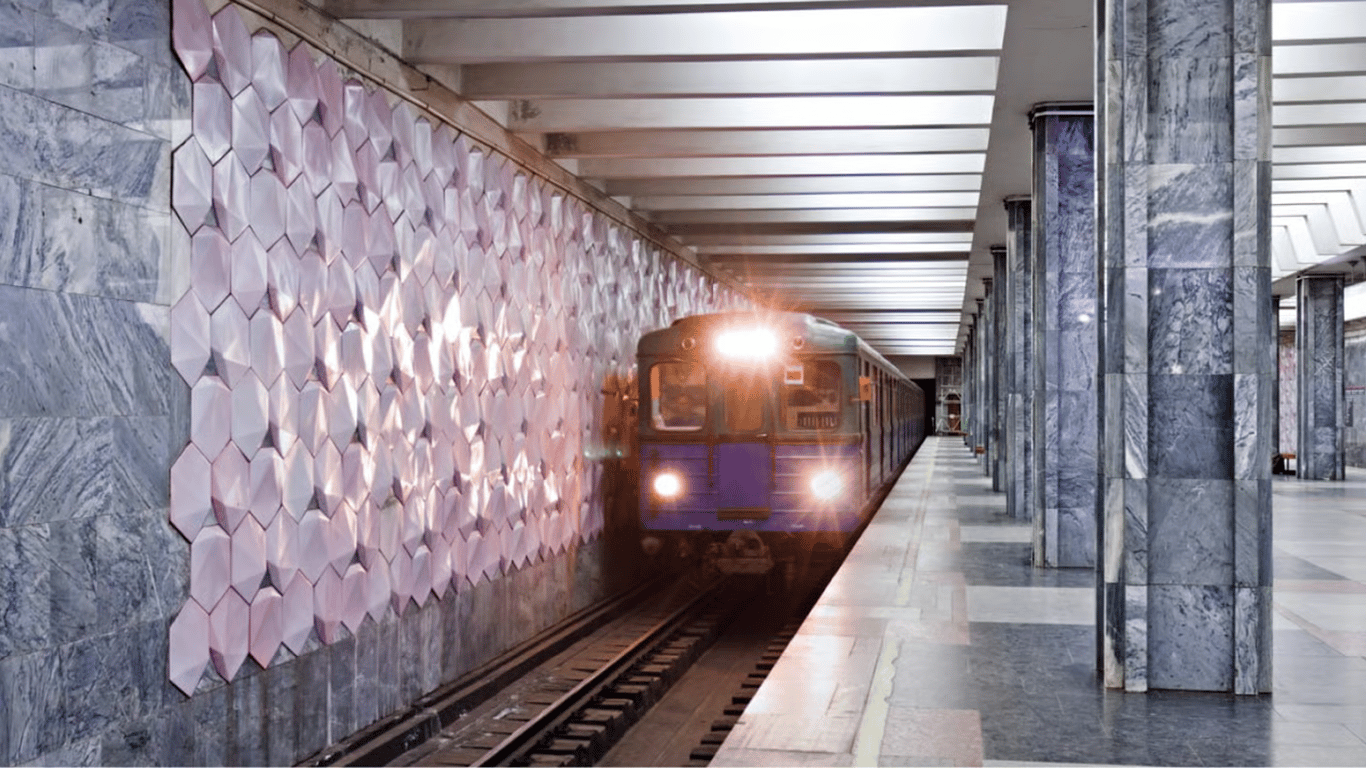
Subway Safety: Understanding the Risks and Countermeasures
According to Novyny.live: While subways are statistically among the safest global transport modes, specific hazards exist for passengers. Research indicates that platforms and train doors are the primary locations for potential incidents and injuries. The platform area is particularly vulnerable within the subway system.
Although train doors are equipped with safety sensors designed to prevent accidents, this technology can sometimes fail. This malfunction can lead to unfortunate mishaps. The risk of falling increases significantly on slippery tiles or due to the gap between the train and the platform edge, circumstances that can result in serious injuries.
Initiatives to Enhance Passenger Safety
Poorly lit areas or damaged flooring can also contribute to accidents. The most common consequences of such falls include:
- Fractures
- Head injuries
- Bruises and contusions
- Back injuries
In response to these ongoing risks, the Kyiv Metro has announced plans to purchase 4,460 folding chairs for use during air raid alerts. This initiative aims to improve both passenger comfort and safety. This move is particularly relevant given the current security challenges in the region, where subway stations often serve as vital shelters.
When using the subway, maintaining vigilance and caution is crucial, especially in known risk zones. Awareness of these dangers can help reduce the likelihood of injury and make journeys safer.
'Ensuring passenger safety within the metro system remains a top priority for city services.'
The procurement of folding chairs for air raid situations is part of a broader strategy to improve conditions for public transport users during heightened danger. This measure is expected to not only enhance comfort but also mitigate risks associated with injuries during evacuation or other emergency scenarios.
Read also
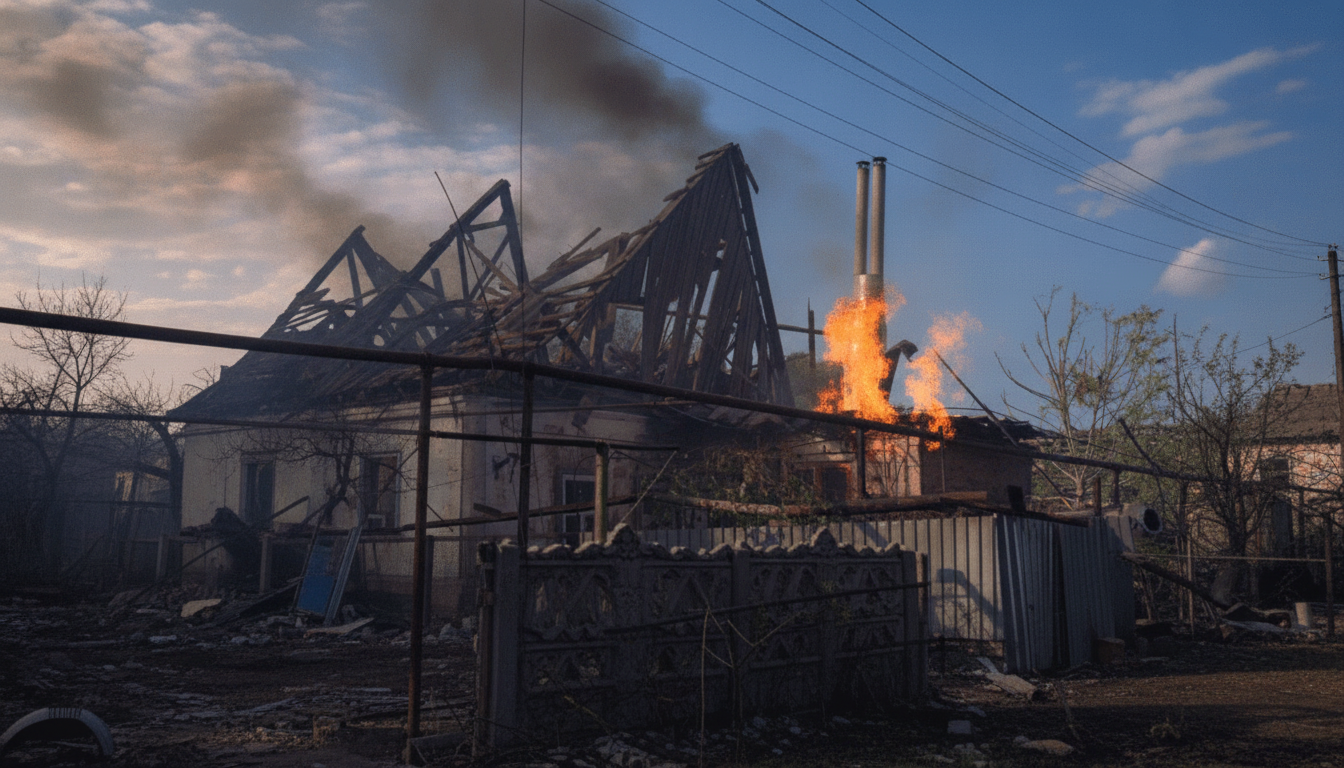
- Two Killed and 15 Injured in Russian Strike on Zaporizhzhia; Museum and Kindergarten Damaged
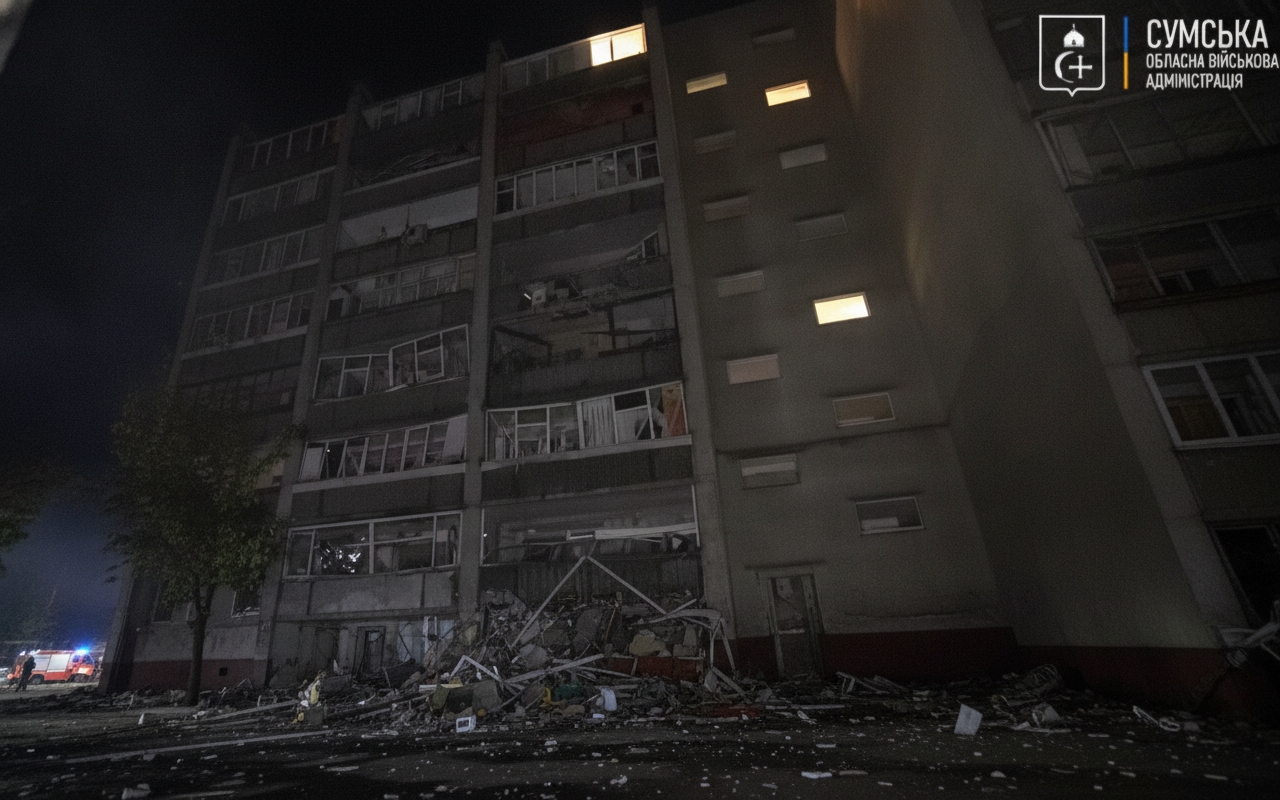
- Guided Bombs Strike Sumy: Who Is at Risk and Where Are the Shelters?
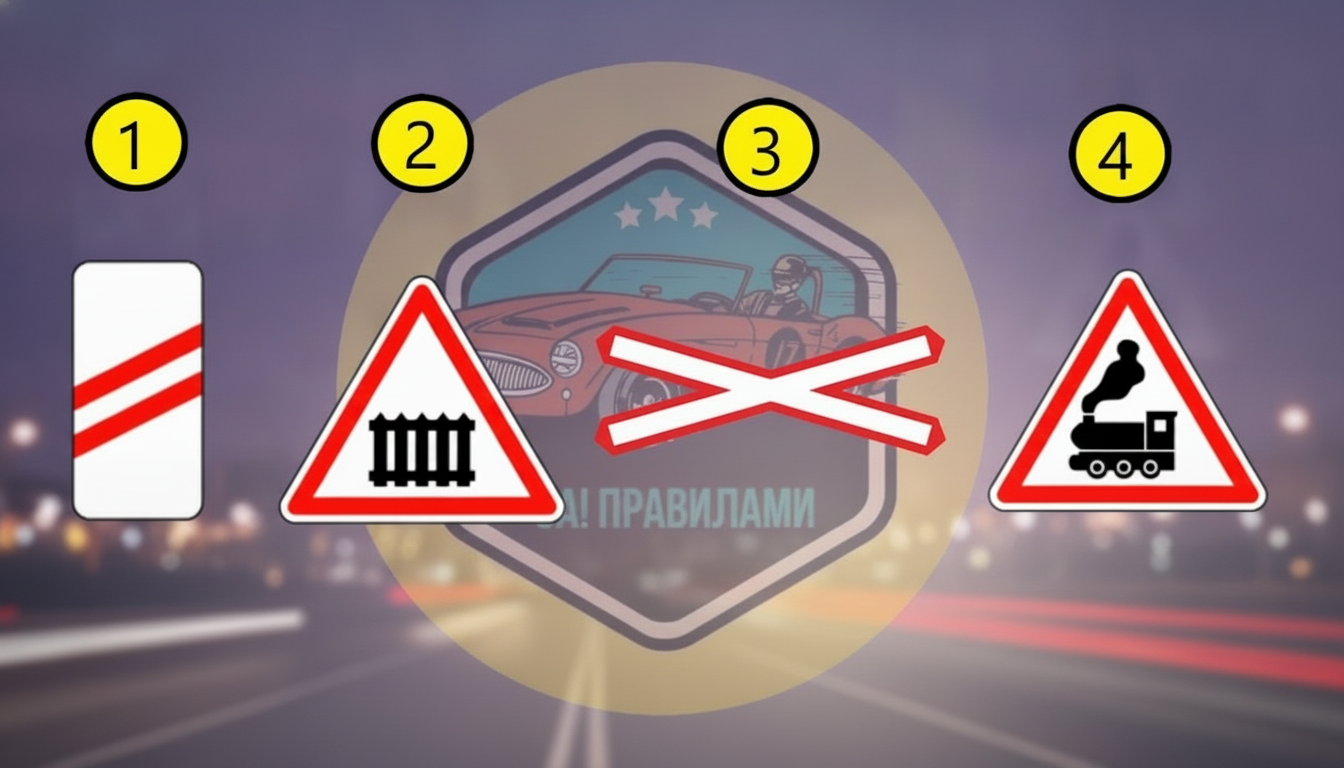
- New Traffic Sign Rules at Railway Crossings: What Drivers Need to Know
- Hourly Power Outages Begin in Ukraine on July 1: When Electricity Will Be Cut Off
- July 1 Forecast: Heatwave Peaks at +38°C with Thunderstorms and Wind Gusts Reaching 15-20 m/s
- June 30 Strike on Zaporizhzhia: One Dead, Nine Wounded in Russian Attack