Rising energy prices in Britain: how to save on heating this winter.

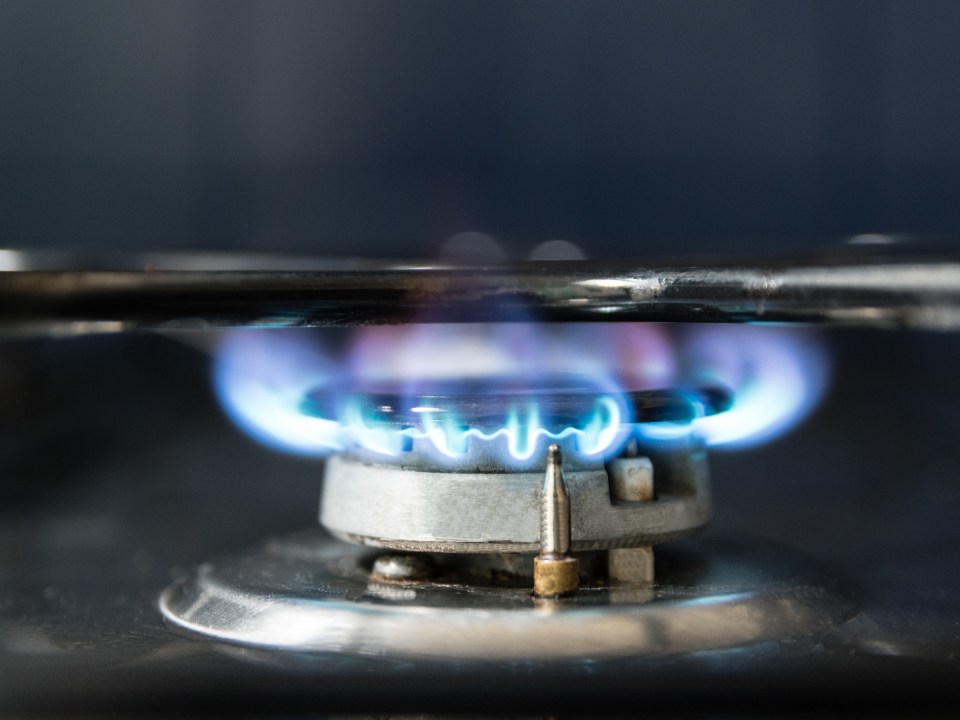
According to The Sun: In October, energy tariffs for millions of households will rise by approximately one percent as Ofgem announces a new energy price cap tomorrow.
Over 22 million households on standard variable tariffs are affected by this cap, which is reviewed every three months.
By choosing a fixed tariff, consumers can lock in a stable cost for a certain period, avoiding fluctuations in energy prices.The current average annual energy costs are approximately £1,720.
However, analysts at Cornwall Insight predict that this figure will rise by £17 to £1,737 from October 1.
Many households are still paying more than the overall Ofgem figure.
This is because the price cap does not limit total bills, but only sets a maximum cost per kilowatt-hour (kWh) for gas and electricity, as well as daily charges.
Ofgem will announce the exact increase on August 27.
Uswitch notes that 22 million households on standard tariffs could save hundreds by switching to a fixed tariff now.
Fixed tariffs allow consumers to lock in stable rates for 12 or 24 months, helping to avoid future price increases.
Ben Gallizzi from Uswitch said:
“Anyone who stays on a standard variable tariff will be overpaying to keep warm in their homes as winter starts to set in.”
“Consumers on these tariffs can sidestep expected increases and save on bills by switching to a favourable fixed tariff right now.”
“We are seeing the highest savings in recent months for fixed tariffs, around £255 for the average household.”
However, choosing a fixed tariff carries a risk: if energy prices drop, you may end up paying more than on a variable tariff.
Analysts believe households should not expect substantial discounts this year.
Outfox Energy is currently offering the cheapest option for its 12-month Fix’d Dual Aug25 12M v4.0 tariff, which costs an average household £1,463 per year.
This is £257 cheaper than the current Ofgem cap and £274 cheaper than the projected Cornwall cap for October.
Meanwhile, the 2-year Fix’d Dual Aug25 v5.0 tariff costs £1,465 per year.
This is £255 cheaper than the current Ofgem cap and £272 cheaper than the projected Cornwall cap for October.
However, the best deals can be withdrawn at any moment.
It is not uncommon for suppliers to change or withdraw their fixed tariffs due to fluctuations in wholesale market prices.
When does the price cap change?
Ofgem reviews the price cap on a unit rate for those on standard tariffs every three months.
This means the price cap can change four times a year:
- January 1
- April 1
- July 1
- October 1
How to find cheap fixed tariffs?
To find the best fixed energy tariffs, visit price comparison sites that offer various options from energy suppliers.
The best sites include Uswitch.com and the Cheap Energy Club by MoneySavingExpert.
Enter your postcode and energy consumption data to access a list of offers tailored to your needs – it won't take more than five minutes.
You can compare rates, contract durations, and any additional benefits offered by different deals.
Also, visit individual supplier websites to check for potential exclusive deals not listed on comparison sites.
Sometimes suppliers offer special promotions or discounts directly to consumers.
Compare these offers with those on comparison sites to ensure you get the best price.
Don't forget to pay attention to customer service reviews and the overall reputation of suppliers.
Once you find the best rate, follow the instructions to switch your energy supplier.
What help is available for paying energy bills?
There are several ways to get help with paying energy bills if you are facing financial difficulties.
If you find yourself in debt, you can always contact your supplier to see if they can offer a repayment plan before installing a prepayment meter.
This involves repaying arrears in installments over a specified period.
If your supplier offers a repayment plan that you cannot afford, contact them again to find out about better deals.
Several energy companies have programs for customers facing difficulties paying their bills.
However, eligibility criteria may vary depending on the supplier, and the amount of assistance depends on your financial circumstances.
For example, customers of British Gas or Scottish Gas facing difficulties with their bills may receive grants of up to £2,000.
British Gas also provides assistance through its Energy Assistance Fund and Individual Family Fund.
You do not need to be a British Gas customer to apply for the second fund.
EDF, E.ON, Octopus Energy, and Scottish Power also offer grants for customers facing difficulties.
Thousands of vulnerable households do not receive additional help and protection without signing up for the Priority Services Register (PSR).
This service helps support vulnerable households, such as the elderly or people with disabilities.
Some benefits include warnings about power disconnections, free gas safety checks, and additional support in cases of difficulty.
Contact your energy supplier to find out if you can apply.
The rise in energy tariffs can significantly impact households' financial situations, especially with the winter period approaching. Consumers who are considering switching to fixed tariffs now can avoid further increases, but their decision should be carefully weighed against forecasts from central authorities. Choosing the right tariff can be a critical factor in ensuring comfortable heating during winter without significant financial losses.
Read also
- Ukraine Launches Free AI-Powered Job Platform: What This Means for Job Seekers
- Facing Diesel Shortages, Russia Bans Exports and Turns to Imports for the First Time
- Kyrgyzstan Scrambles for Fuel as China and Belarus Step In to Replace Russia
- UDP Leadership Accused of Asset Theft: Losses Hit $7 Million
- Russia Faces Fuel Crisis: Putin Admits Shortages as Moscow Prepares to Import Petroleum Products
- Half a Million Bankruptcies in One Year: Russia’s Economy on the Brink of Collapse