Rising heating tariffs in Britain: how households could save up to £215.

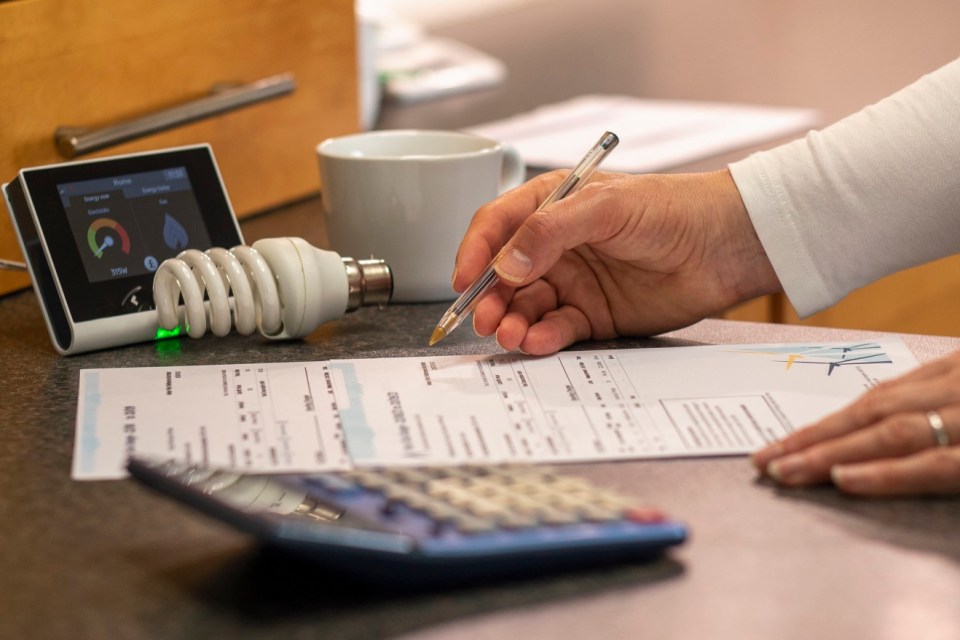
According to The Sun: Millions of households are receiving warnings: if they do not take action today, they risk losing £215 in annual savings on winter electricity bills.
More than 22 million households will face an increase in their energy bills of about £35 a year, as from October 1 the price cap for households will rise to £1,755.
Households on standard variable tariffs, which make up 65% of consumers, will feel this impact the most.However, if households switch their tariffs to market rates by tonight, they could avoid the price increase, saving up to £215 a year.
Those who change their tariff in the next 24 hours could expect significant savings, according to data from the price comparison site The Energy Shop.
But it's worth hurrying: changing the tariff can take up to five working days, so it's wiser to do it today.
The Energy Shop analyzed energy suppliers and found the best deals ahead of a 2% price increase on Wednesday.
Best tariff plans
The best fixed tariff currently is the 12-month Outfox Energy plan at £1,540 a year, which provides a saving of £214.63 compared to the new Ofgem cap.
Second place is held by the Outfox two-year fixed tariff at £1,542 and a 15-month tariff at £1,544 – both offer savings of over £210 from the current cap.
Also a good option is the 12-month fixed agreement from Fuse Energy at £1,572, providing savings of £183.
Meanwhile, the 12-month fixed tariff from E.ON Next at £1,602 remains cheaper than the cap by £153.
We offer a table with the best tariffs.
id='6367166715112' data-video-id='6367166715112' data-account='5067014667001' data-player='default' data-usage='cms:WordPress:6.5.6:2.8.6:javascript' data-embed='default' class='video-js' data-application-id='' controls style='width: 100%; height: 100%; position: absolute; top: 0; bottom: 0; right: 0; left: 0;'>Before changing your tariff, remember that the price cap may decrease in January, so it's worth checking the exit terms in advance.
Scott Byrom, CEO of The Energy Shop, noted: 'Check if you are on your supplier's standard variable tariff – if you've never changed your tariff, you probably are, and this is usually the most expensive.'
People who switch to fixed tariffs 'save money' and report high levels of satisfaction, added the CEO of Ofgem last month.
Since July, there has been a price cap of £1,720, but Ofgem informs that a new increase is needed to respond to 'unforeseen global events.'
Ofgem is conducting an assessment, taking into account the typical consumption of households, which is 11,500 kWh of gas and 2,700 kWh of electricity per year, paid via direct debit.
What else can I do to reduce my energy bill?
Households that choose a 'off-peak' tariff can reduce appliance operating costs by up to 70%, according to The Energy Shop.
This works best if you have appliances with timers.
Small changes in the use of electrical devices, such as washing machines, dishwashers, and dryers, can really reduce costs.
Scott Byrom, CEO of The Energy Shop, said: 'During autumn and winter, we use 75% of our annual gas consumption in just six months.'
'The peak typically occurs in January when our gas consumption can rise to 20% of annual use.'
'Knowing about this rise in consumption, we can be more prudent with our heating, which will help reduce energy bills.'
It is also recommended to ventilate rooms to avoid costs related to mold removal, which can amount to £220 this winter.
When temperatures drop, people usually close windows to keep warm.
However, without ventilation, moisture accumulates and can lead to dampness and mold.
This not only costs about £220 per room to remove, but can also negatively impact health.
He added: 'Open windows for short periods in kitchens, bathrooms, and bedrooms and close doors to prevent moisture from spreading throughout the house.'
'That way you can keep your homes warm, dry, and healthy.'
What help with energy bills is available?
There are many ways to get assistance with paying energy bills if you are struggling.
If you are in debt, you can always contact your supplier to find out if they can offer a repayment plan before switching you to a prepayment meter.
This involves paying off debts in installments over a set period.
If the proposed plan seems too expensive, feel free to contact them again to negotiate better terms.
Many energy companies have programs for customers facing difficulties in paying bills.
Eligibility criteria for these programs may vary and the amount of assistance depends on your financial situation.
For example, customers of British Gas or Scottish Gas facing difficulties with bill payments may receive grants of up to £2,000.
British Gas also offers support through its British Gas Energy Trust fund and Individuals Family Fund.
You do not need to be a British Gas customer to apply for the second fund.
Energy companies like EDF, E.ON, Octopus Energy, and Scottish Power also offer grants for customers facing difficulties.
Numerous vulnerable households are missing out on additional assistance and protection by not signing up for the Priority Services Register (PSR).
This service supports vulnerable households, such as the elderly and those with chronic illnesses.
Benefits include advance notifications of outages, free gas safety checks, and additional support for those in need.
Contact your energy company to find out if you can apply.
This news discusses significant changes in energy prices that could affect millions of households. Consumers have the opportunity to save substantial amounts by switching their tariffs to market rates. Offers from energy suppliers demonstrate how costs can be reduced amidst rising prices. Important information is also provided regarding potential financial support for those experiencing difficulties, which could be crucial in this challenging economic context.Read also
- New U.S. Tariffs Hit 60 Nations: Here Are the Rates for the EU and Russia
- Russia’s Oil and Gas Revenue Set to Surge by 60%—Here’s What’s Driving the Jump
- IMF Disburses $690 Million Second Tranche to Ukraine: Where the Funds Are Going
- Russia’s Budget Deficit Could Hit 7 Trillion Rubles—What Are the Default Risks?
- Expert Sets Critical Threshold: 60% of Russia's Oil Refining Capacity Must Be Destroyed
- Russia Faces Imminent Fuel Crisis: Why Refinery Recovery Is Nearly Impossible, Expert Warns