Energy Price Increase from October 1: How to Avoid Overpaying on Bills.

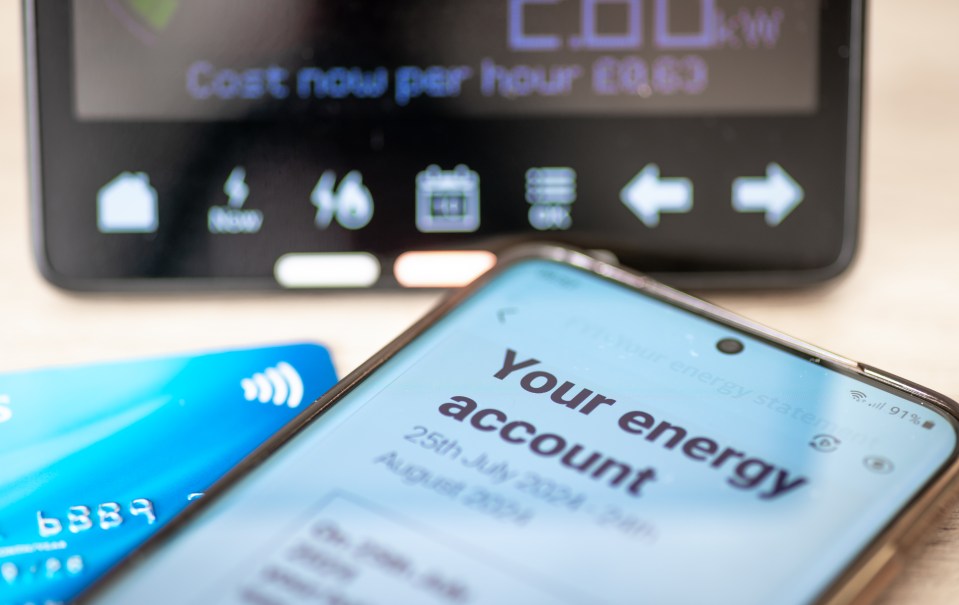
According to The Sun: Millions of households are urged to take action to avoid high energy bills due to low temperatures.
As the cold weather sets in, Britons will have to spend more to heat their homes.
GettyEnergy Prices Will Rise
Millions are urged to provide their meter readings today to avoid bill increases.
It is expected that the price cap for a typical household in the UK will rise by 2%, and families paying by direct debit will receive even higher bills.
Prices for standard households could rise from £1,720 a year to £1,755 a year.
According to Uswitch, the average household will spend £140 on energy in October, significantly more than the £63 in September. The price increase and increased consumption in the autumn period have caused this substantial rise.
This comes despite wholesale prices dropping by 2% in the three months leading up to the latest Ofgem price cap decision.
How to Save One Simple Way
Households can avoid increased costs by sending in their meter readings today.
About 22 million households that fall under the price cap set by Ofgem could face higher energy costs.
“If you are on a standard variable tariff, you will feel the impact of rising prices – you need to send your meter reading to your energy supplier soon to avoid even larger bills.”
This will provide accurate information on how much energy you are using and ensure you only pay the new higher tariffs for energy consumed after the price increase set for October 1.
What If You Don't Send Readings?
If you do not send your meter readings to your supplier on time, you risk paying more than necessary by relying on their estimate of your consumption.
Households with smart meters do not need to manually send readings, as the device will send them automatically.
Submission deadlines may vary by supplier – you can find your supplier's deadlines here.
Other Tips and Tricks
Millions of Britons can lower their bills with a few simple tricks.
For example, lowering the thermostat temperature by just 1°C can cut energy bills by up to 10%, according to household finance expert Greg Marsh.
Bleeding the radiators can also help reduce energy costs as it eliminates air pockets that prevent hot water from circulating effectively in the heating system.
Britons can also protect their homes from drafts: insulating around windows, doors, and floors can save approximately £85 a year, according to the Energy Saving Trust.
4 Ways to Reduce Energy Costs
Laura Court-Jones, small business editor at Bionic shared her tips.
- 1. Lower the heating temperature by one degree
- This small change is hardly noticeable but can significantly reduce your energy costs.
- 2. Switch off appliances and lights
- This simple tip can save up to £20 a year by completely turning off unnecessary devices and lights.
- 3. Install a smart meter
- Smart meters help monitor energy consumption, allowing you to see where and when you are using gas and electricity.
- 4. Consider changing energy suppliers
- Your current supplier may not offer the best rates, especially if your fixed deal has ended without renewal.
Given the rising energy prices, it is important to take steps to manage costs effectively. Timely submission of meter readings and simple changes in home habits can significantly alleviate financial burdens. Consumers can not only save on bills but also contribute to energy conservation.
Read also
- Global Fuel Markets Shaken as Ukrainian Drones Undermine Russian Control
- Russian Business Owners Are Moving Billions Abroad Amid Fears of Asset Seizure and Forced War Funding
- Former Minister Sobolev Takes on New Role in the President’s Office: What He Will Be Working On
- India Becomes Fuel Supplier to Russia as Diesel Shortage Bites
- Currency Panic Grips Ukraine: Expert Reveals Why People Are Losing Faith in the Hryvnia
- Major Salary Hikes Planned for Ukrainian Rescuers: Here’s What They Could Earn