Russia’s Defense Ministry Denies Striking the Kyiv Monastery, Drawing Parallels to a History of Aggression.


The Incident at Kyiv Pechersk Lavra
According to Espreso.tv: Russia’s Ministry of Defense has denied allegations that its forces struck the Kyiv Pechersk Lavra, instead claiming the attack involved an American-made missile. This denial comes amid ongoing discussions linking past Russian aggression to the current war in Ukraine. Several historical events highlight Moscow’s long-standing pattern of hostile actions toward Ukraine.
Historical Acts of Aggression
Notable among these is the 1939 bombing of Helsinki by Russian forces 87 years ago, reflecting a sustained history of military campaigns aimed at expanding influence. Another key event occurred in 1240, when Batu Khan’s Mongol horde burned Kyiv to the ground. These acts of violence have left deep scars on the Ukrainian people’s collective memory.
In 1941, Russian troops also demolished the Dormition Cathedral to prevent its capture by German forces. This architectural landmark was later rebuilt in 1998, symbolizing the revival of Ukrainian culture and heritage. Furthermore, a decree by Tsar Alexander I in 1801 banned Ukrainian architectural styles in church construction, underscoring a long-running effort to suppress national identity.
Commenting on the situation, a Russian Defense Ministry spokesperson stated: 'We did not strike the Kyiv Pechersk Lavra. It was an American missile.'
Such statements raise many questions, given the complex and multifaceted nature of the war in Ukraine. Ukrainian journalist Pavel Sheremet offered this insight:
'Do not celebrate the future victory of Euromaidan too soon. As soon as Yanukovych’s regime falls, war with Russia will begin. Putin will start with Crimea, but his true target is Kyiv.'
These historical events and modern conflicts continue to reflect the strained relationship between Ukraine and Russia. The situation at the Kyiv Pechersk Lavra underscores the need to examine historical lessons to better understand today’s challenges. This incident could fuel further tensions between the two nations, and monitoring developments may reveal potential scenarios for the region. Considering past experiences, in particular, can help assess possible threats to Ukraine’s national security.
Read also
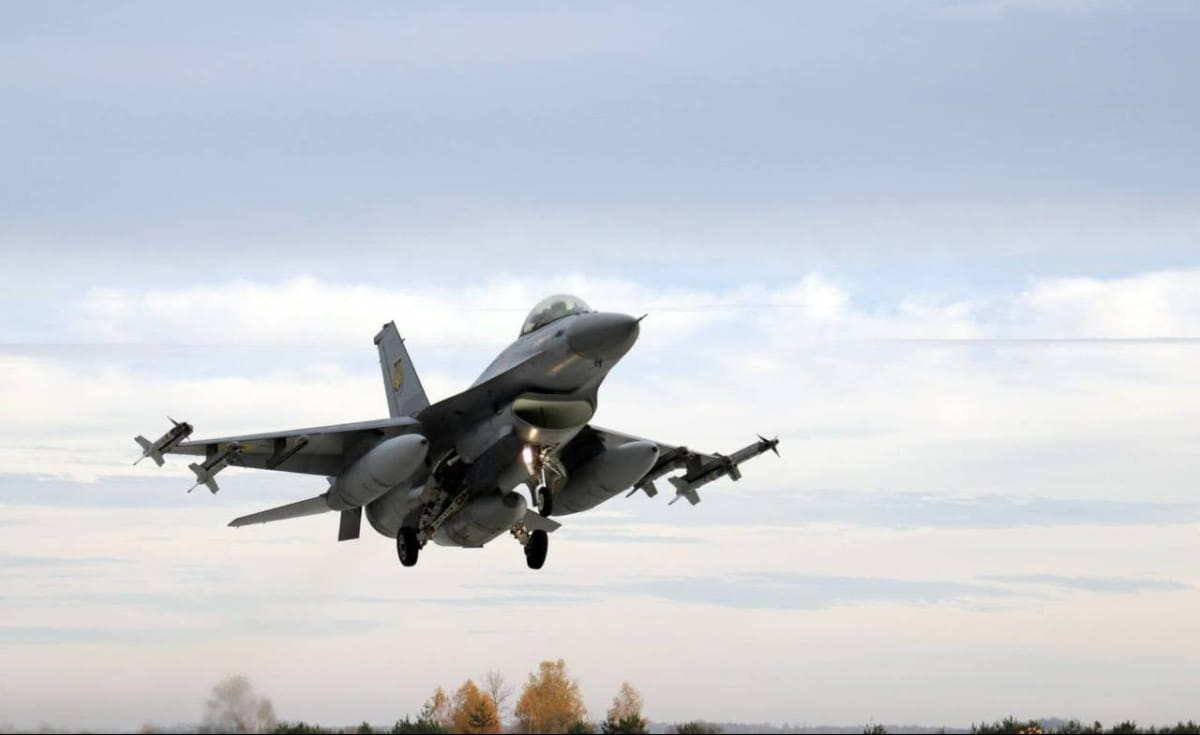
- NATO mission brings Turkish F-16s and 76 personnel to Estonia for Baltic air policing
- US Halts Patriot Missile Deliveries as Ukraine Warns of Critical Air Defense Shortage
- Peace in the Iran conflict depends on Putin, with Ukraine being the US's sole ally, per a political expert
- On July 28, Ukrainian President Zelenskyy will meet with Donald Trump at the White House to discuss peace efforts
- Washington Visit: Zelenskyy to Meet Trump and Pay Tribute to Senator Graham
- Defense Boost Focus of Zelensky’s July 28 US Trip for Trump Meeting