Sharp Surge in Passenger Traffic at Ukraine's Border: What's Driving the Trend.

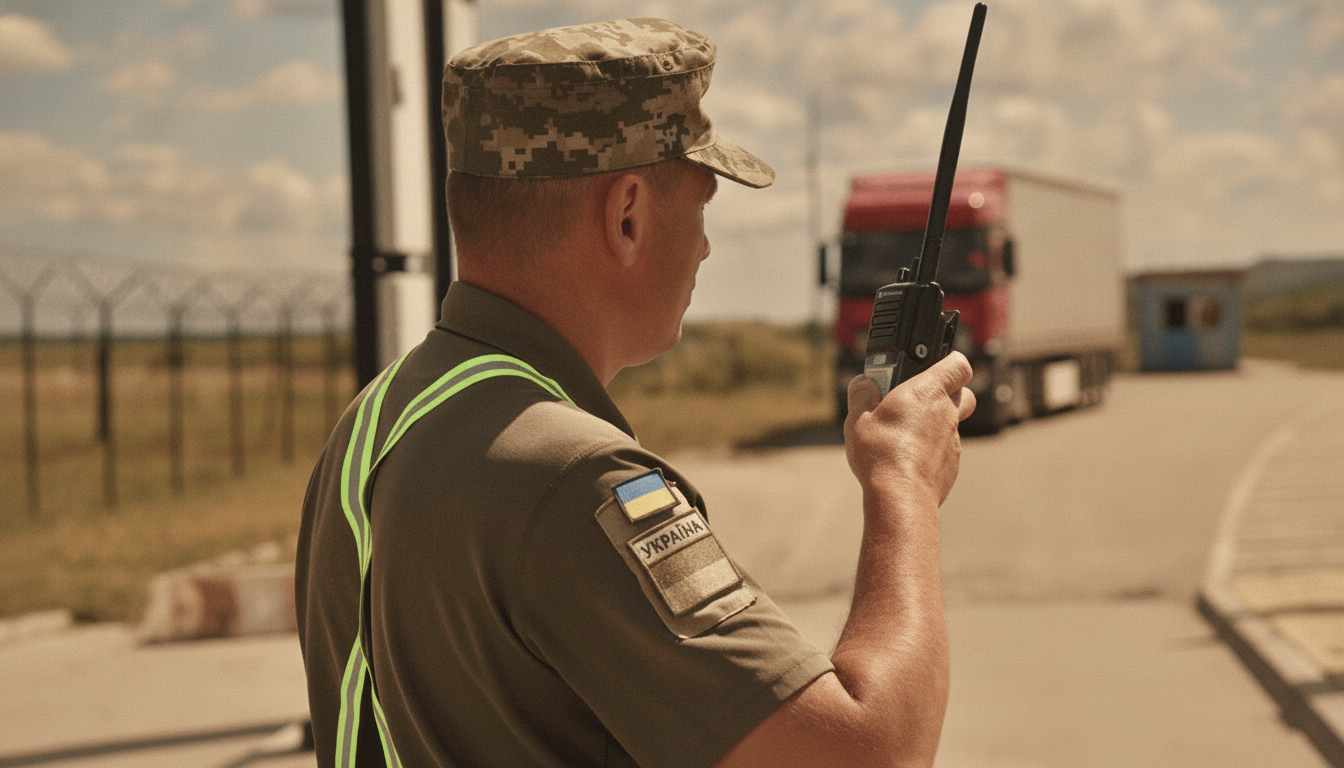
Summer Peak in Border Crossings Recorded at Checkpoints
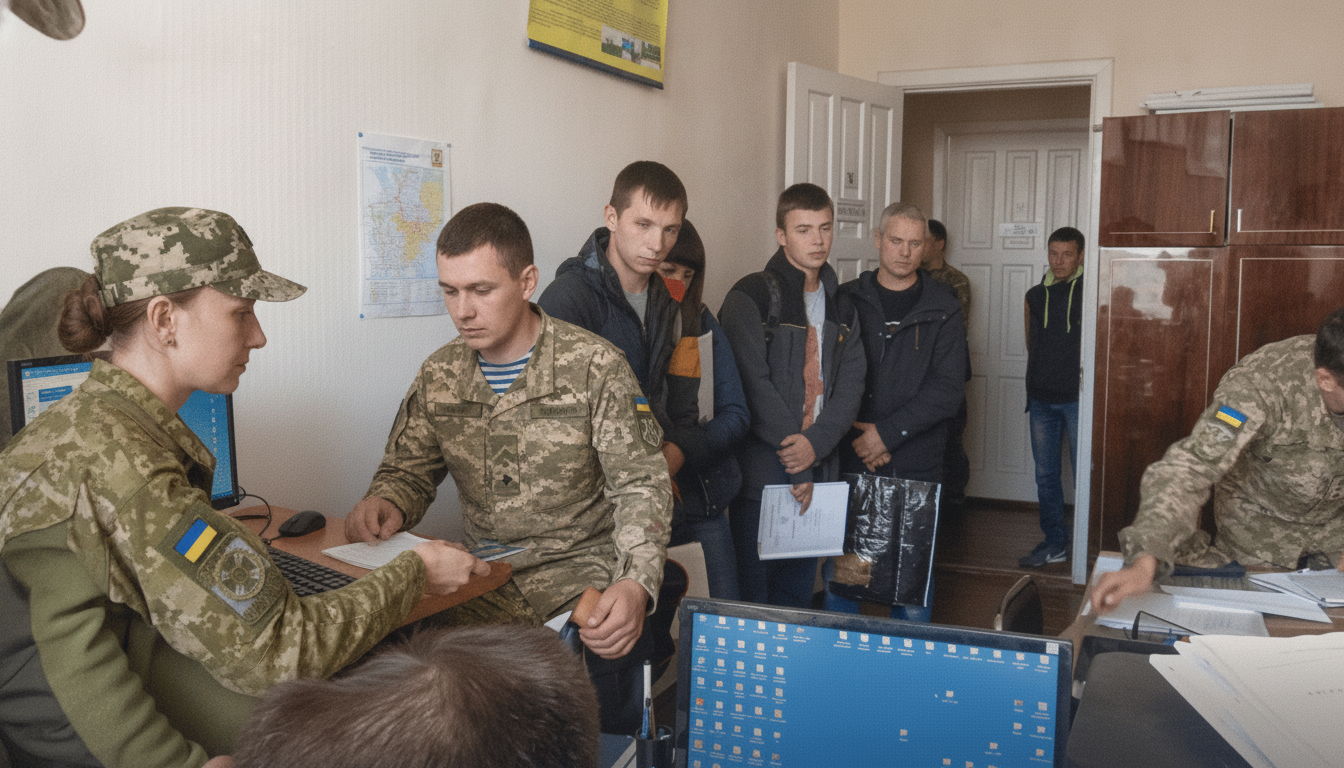
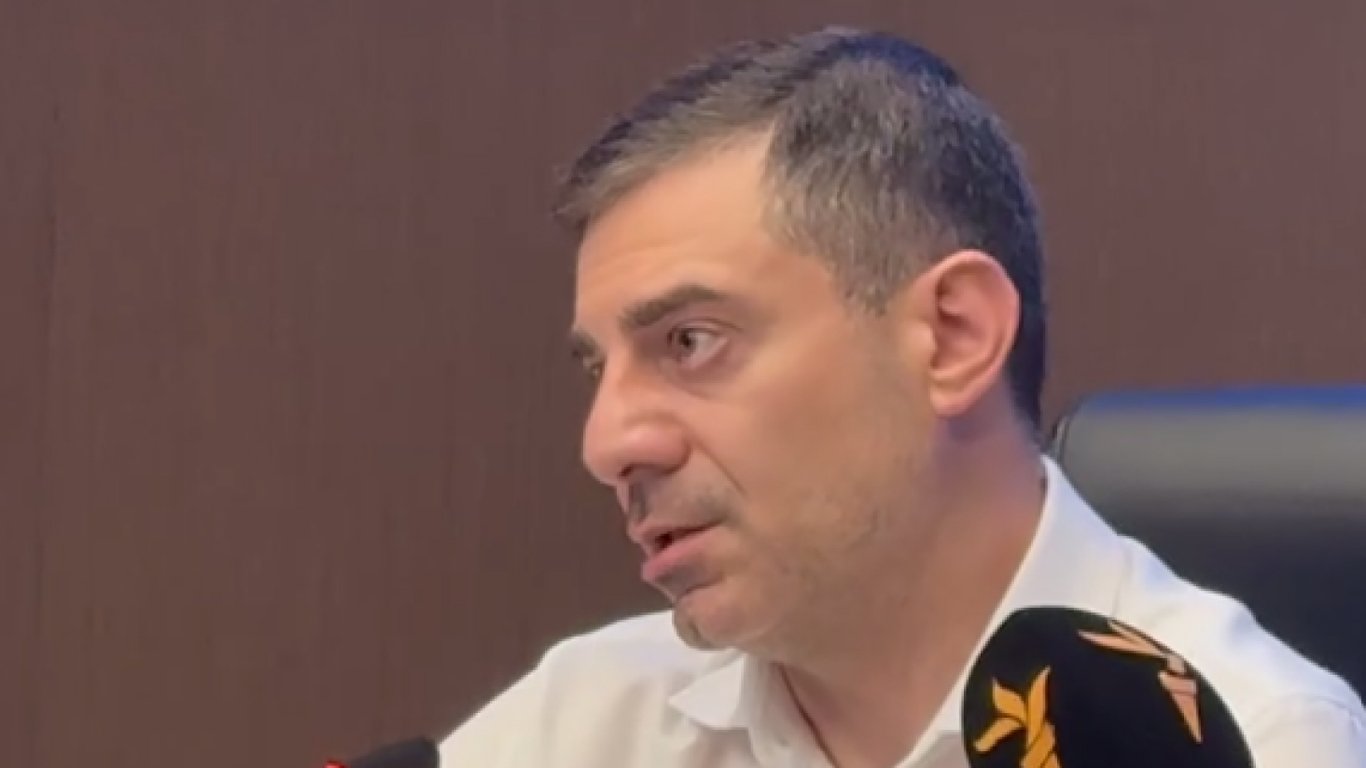
According to Novyny.live: Ukraine's western border crossings are experiencing a significant uptick in passenger traffic, driven by the start of the summer season and the end of the academic year. Over the past 24 hours, 123,000 citizens crossed the border. According to Andriy Demchenko, this is a typical summer pattern when passenger flows spike sharply.
More people are leaving Ukraine than returning. During spring, daily crossings averaged around 85,000 on weekdays and up to 95,000 on weekends. However, over the last week, traffic has not dropped below 100,000 crossings per day. In June, departures from Ukraine dominate, with families with children most frequently heading abroad.
Outlook and Challenges at the Border
Border guards predict that by July, the number of people leaving and entering will roughly balance out. In August, however, they expect a higher volume of returnees coming back to Ukraine. Meanwhile, police have uncovered dozens of illegal smuggling channels, with fees reaching up to 20,000 euros. Organizers may have earned over 10 million hryvnias from these operations.
Since the start of the full-scale war, nearly 70,000 individuals have been detained for attempting to cross the border illegally. These facts underscore that the border situation remains tense and requires close attention from law enforcement.
The seasonal rise in border traffic is a normal occurrence, but the current imbalance—more people leaving than returning—may signal shifting socio-economic conditions within Ukraine. Forecasts from border officials about a balanced flow in July and a return surge in August point to typical summer migration patterns linked to vacations and family trips.
At the same time, intensified law enforcement efforts against illegal migration highlight serious security challenges at the border. As a result, the situation demands ongoing monitoring and adaptive control measures.
Read also
- Ukraine Loses 800,000 People Annually: Key Drivers Revealed
- Czech Passport Fees in 2026: What Ukrainians in the Country Need to Know
- Ukraine and Germany Launch Joint Initiative to Repatriate 350,000 Draft-Eligible Men
- Germany Overhauls Benefits for Ukrainian Refugees: Key Changes to Payments and Job Rules
- Who Can Leave Ukraine During Martial Law: A Guide to Military Registration and Border Crossings
- EU Weighs Changes to Temporary Protection for Ukrainians: What’s on the Table