Summer Fruit Prices Drop at Odesa’s Pryvoz Market: Cherries and Peaches Get Cheaper.

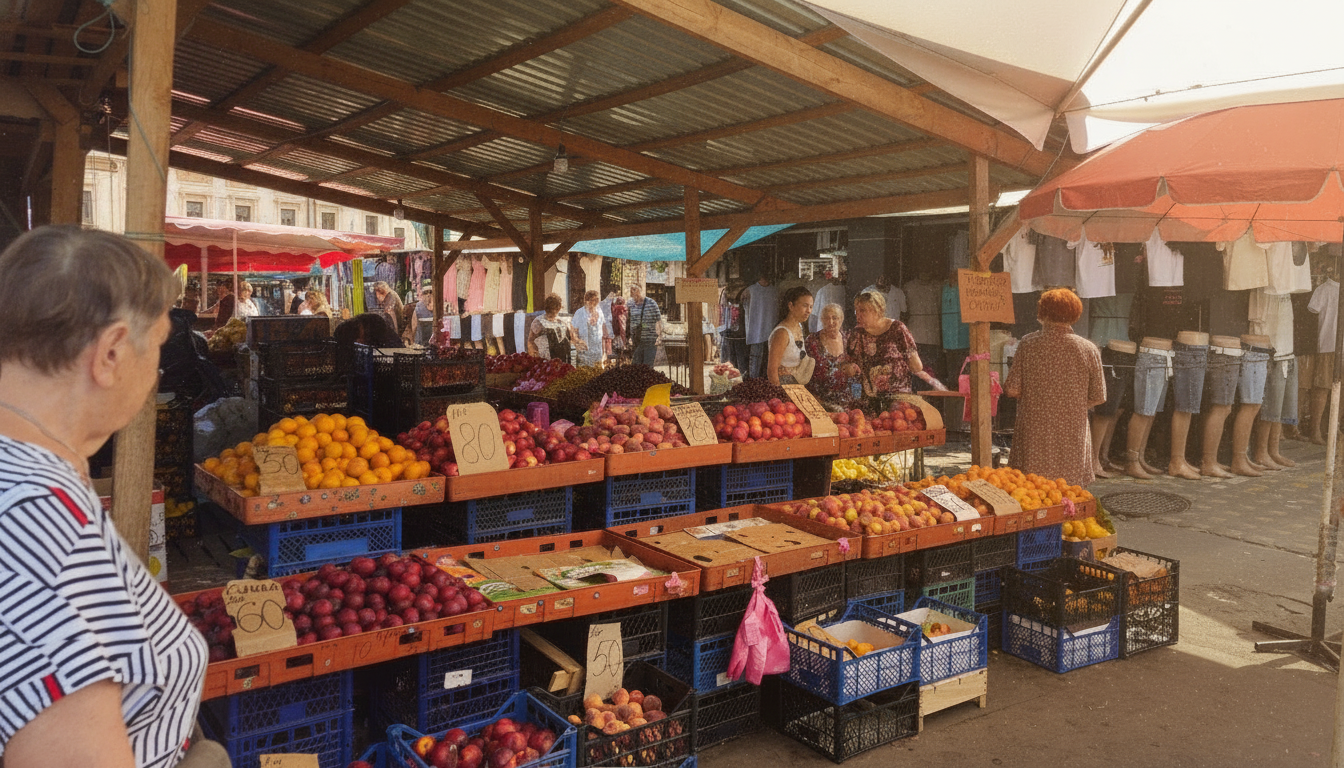
Seasonal Fruit Selection Expands at Pryvoz Market
According to Novyny.live: At Odesa's Pryvoz Market, the variety of seasonal fruits and berries is growing, with most produce coming from Ukrainian farms and prices gradually falling. As summer begins, more shoppers are flocking to the market to take advantage of the deals. The most sought-after items right now include:
- cherries
- peaches
- apricots
- berries
These fruits are especially popular among visitors.
Ukrainian-grown produce dominates the stalls at Pryvoz, leading to a wider selection and more competitive pricing. The good news for buyers is that prices on several fruit types are steadily decreasing. Current market rates are as follows:
- cherries – 60 to 100 UAH per kilogram
- local peaches – 80 UAH per kilogram
- fig peaches – 150 UAH per kilogram
- nectarines – 130 UAH per kilogram
- apricots – 100 UAH per kilogram
- strawberries – 150 UAH per kilogram
- raspberries – 200 UAH per kilogram
- black currants – 160 to 200 UAH per kilogram
- red currants – 120 UAH per kilogram
- gooseberries – 120 UAH per kilogram
- grapes and lemons – 200 UAH per kilogram
“The selection is huge right now. We already have local peaches, apricots, cherries, currants, and gooseberries. Prices change almost daily, but overall, fruit gets cheaper with each passing day. People are buying mostly fruit now because summer has started, and kids want seasonal berries and fruit.”
Oksana, a shopper
What’s Available at the Cheryomushki Market
Meanwhile, Odesa’s Cheryomushki Market is offering a broad range of homemade dairy products, which pair perfectly with the seasonal fruit. Overall, the summer season is bringing more opportunities for shoppers looking to enjoy fresh, locally grown Ukrainian produce.
The expanding range of Ukrainian fruits and berries at Pryvoz Market reflects positive trends in the country’s agricultural sector, where seasonal products are becoming increasingly affordable. The price drops may indicate favorable growing conditions and higher yields for farmers, which in turn supports the regional economy. Summer traditionally boosts demand for fresh goods, and this could further energize market growth.
Read also
- Russia’s Oil and Gas Revenue Set to Surge by 60%—Here’s What’s Driving the Jump
- IMF Disburses $690 Million Second Tranche to Ukraine: Where the Funds Are Going
- Russia’s Budget Deficit Could Hit 7 Trillion Rubles—What Are the Default Risks?
- Expert Sets Critical Threshold: 60% of Russia's Oil Refining Capacity Must Be Destroyed
- Russia Faces Imminent Fuel Crisis: Why Refinery Recovery Is Nearly Impossible, Expert Warns
- Economist identifies Russia's point of no return: why it can never reclaim its place among global economic leaders