NATO May Allow Fire on Russian Aircraft: What We Know.

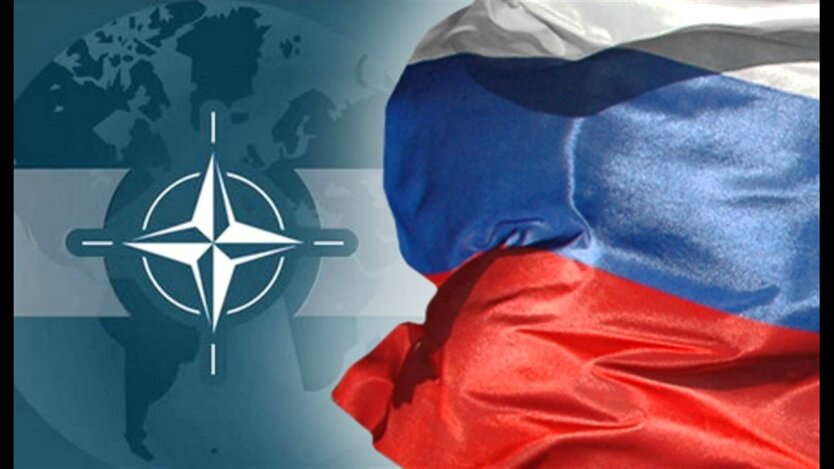
NATO countries are preparing for a potential opening of fire on Russian military aircraft
According to inkorr.com: NATO is considering new measures in response to systematic violations of airspace by Russia. According to Financial Times, the alliance is contemplating allowing pilots to open fire on Russian military planes that cross the border.
Senior NATO officials are discussing several initiatives, including the deployment of armed drones near the border with Russia, easing restrictions for fighter pilots, and conducting military exercises in border areas.
Initiative from Russia's Neighboring Countries
The proposal has been supported by Great Britain and France.Other member countries of the alliance are also joining the discussion of these measures.
As Financial Times notes, three main directions are being considered: arming drones for reconnaissance, reducing restrictions for pilots patrolling NATO's eastern border, and organizing military exercises directly near the border with Russia.
Escalation of Tensions After Incident Involving Russian Fighters
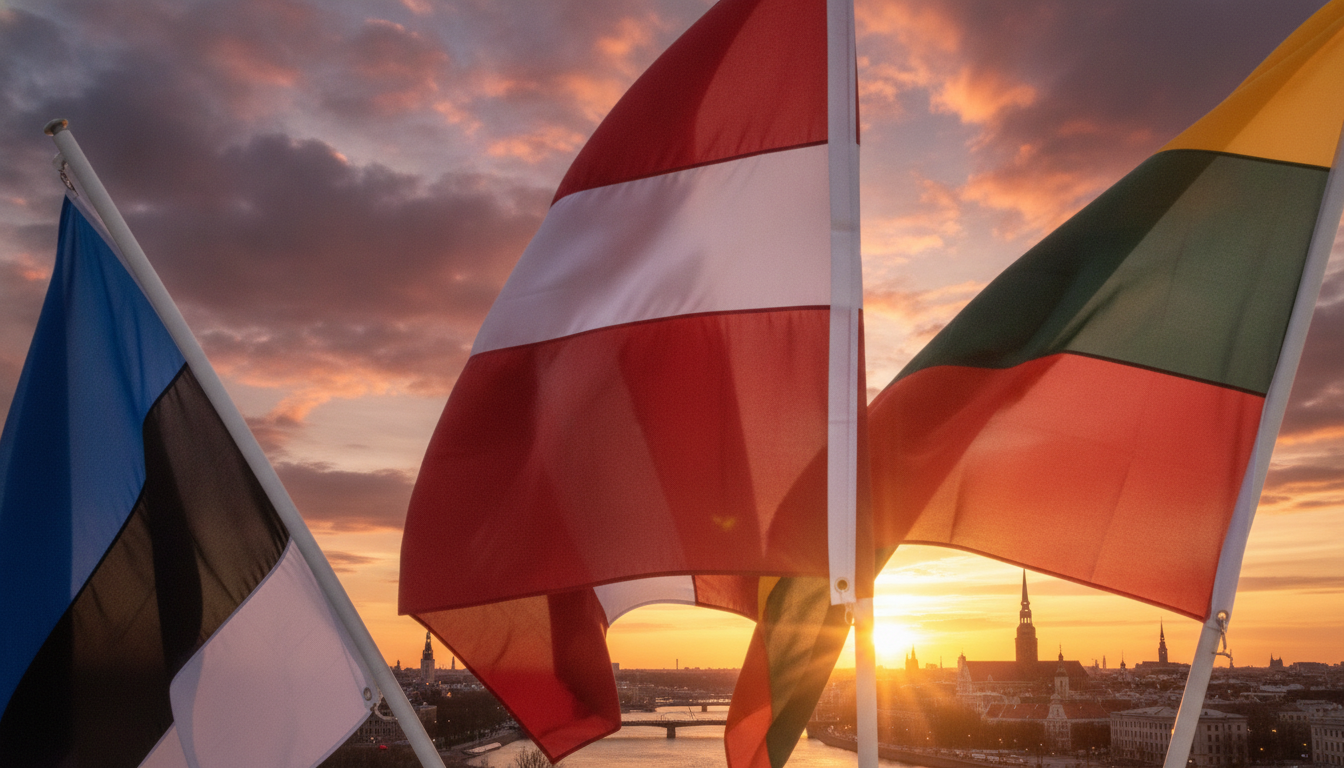
After U.S. President Donald Trump's statement on the necessity of opening fire on Russian planes, NATO countries have intensified their response to airspace violations. This is related to an incident when Russian MiG-31 fighters crossed the air border of Estonia without permission while over the Gulf of Finland.
A NATO representative condemned Russia's actions, describing them as 'escalatory'. This incident has been just one of many cases of airspace violations by Russian military aircraft and drones in NATO countries.
NATO countries continue to look for new ways to respond to Russia's airspace violations, including the possibility of opening fire on Russian military aircraft. The alliance's response has become more resolute after recent incidents.
Amid rising tensions in the region and constant violations by Russia, NATO's new measures reflect the alliance's intent to protect its airspace and enable an adequate response to threats. NATO's actions are driven by the need to ensure the security of its member states and support stability in Eastern European countries.
Read also
- Ukraine Raises Conscription Age to 60: Journalist Vitaly Portnikov Breaks Down the Fallout
- Baltic States Protest Moscow Over Airspace Disinformation
- Two Paths for Russia: Eliminating Putin or Continuing the War, Says Russian Analyst
- U.S. Senator Lindsey Graham Dies Suddenly: A Champion for Ukraine Lost to Brief Illness
- U.S. Senator Lindsey Graham Dies at 71: What His Passing Means for Ukraine
- Tougher Penalties for Lawbreakers in Ukraine: Asset Freezes, License Bans, and Pension Cuts