Baltic Sentry: NATO Reduces Response Time to Sabotage from 17 Hours to One Hour.

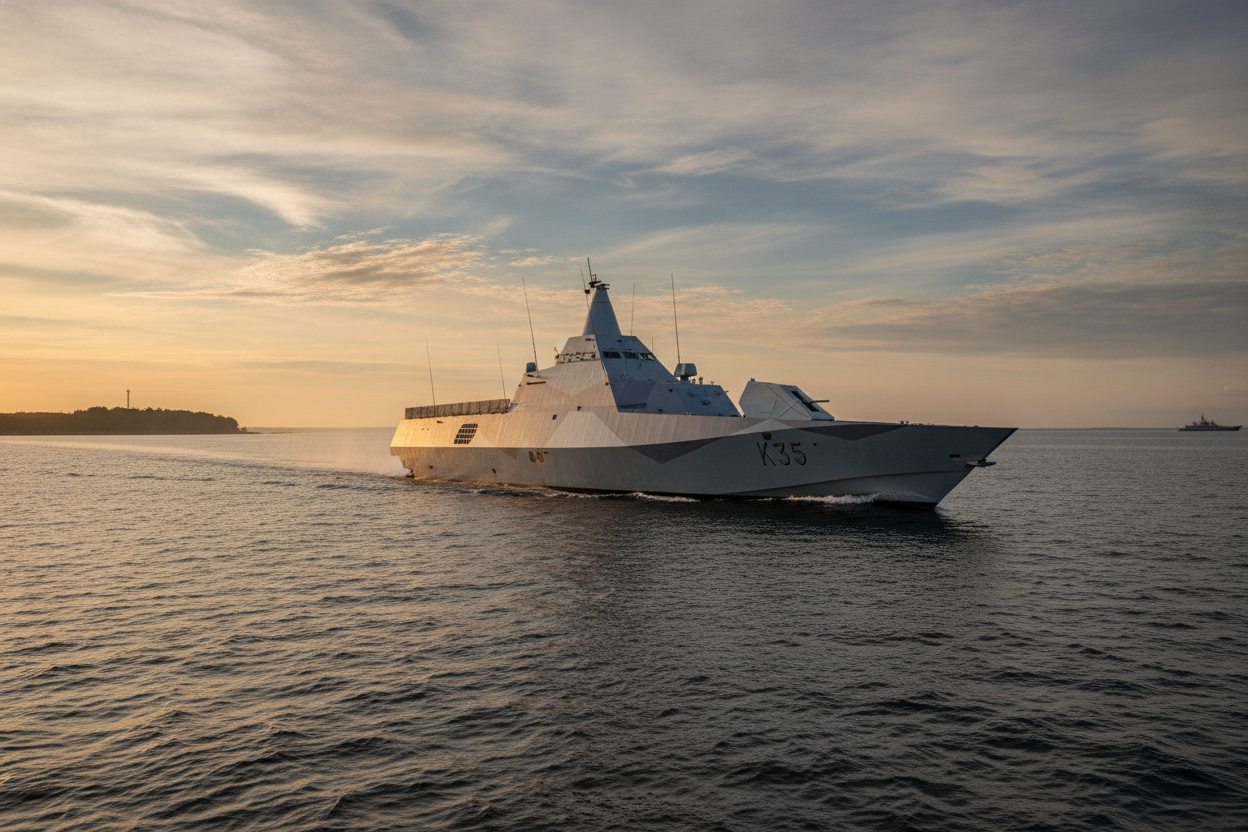
NATO Responds Faster: Response Time for Underwater Incidents Drastically Reduced
According to Espreso.tv: NATO has significantly increased its readiness to threats against underwater infrastructure. As Lieutenant Commander Tim Pietrack reported, the response time to suspicious incidents has been reduced from 17 hours to just one hour. This was achieved as part of Operation Baltic Sentry, which was launched in early 2025. From January 2025 to January 2026, NATO did not record any major sabotage acts against critical underwater facilities – a sign of the effectiveness of the measures taken.
Pietrack emphasized the
"critical role of the drastic reduction in response time". The Operation Baltic Sentry, launched in response to increasing threats to underwater infrastructure in the Baltic Sea, has proven to be effective. In plain language: where almost an entire day could pass before, the alliance is now ready within 60 minutes.
Incidents in the Baltic Sea: A Chronology of Tensions
By 2024, the situation regarding underwater infrastructure in the Baltic Sea had escalated. In November 2024, a telecommunications cable between Lithuania and Sweden was severed. Just a month later, in December 2024, an internet cable between Finland and Sweden was broken. Also in December 2024, Finland stopped the tanker Eagle S on suspicion of having damaged the power cable Estlink 2. Another incident occurred in January 2025, when a fiber optic cable between Latvia and Sweden was damaged.
Pietrack stressed that
"the allies have the political will and operational capabilities to maintain the crucial collective defense capability in the Baltic Sea". This demonstrates NATO's readiness to counter potential threats and protect critical infrastructure in the region.
The shortened response time and the success of Operation Baltic Sentry indicate that the alliance is adapting to modern security challenges in the Baltic Sea. The measures point to improved coordination among allies and optimized mechanisms for threat defense. The strategic importance of the region is underscored by the preceding incidents, making continuous monitoring and protection of critical infrastructure essential.
Read also
- A U.S. Airport Gets Named After a Sitting President for the First Time Ever
- Half-Year Review: Russia Failed Every Objective, Losing 32,000 Troops Monthly, Says Ukraine’s Top Commander
- Court Rejects Poroshenko’s Lawsuit Against Zelenskyy; Full Ruling Due in Five Days
- Poland Ready to Manufacture Patriot Missiles for Ukraine: Defense Minister Clarifies Stance
- NATO Greenlights New Defense Strategy: $70 Billion for Ukraine and Push for 5% GDP Spending
- Ukraine Urges UN Security Council to Immediately Take Up Ceasefire Resolution