NATO's New Multi-Layered Border Defense: Implications for Ukraine and European Security.

NATO's Strategy and Emerging Challenges
According to UATV: In response to escalating threats from Moscow, NATO is advancing a strategy of multi-layered defense along its frontiers with Russia and Belarus. General Thomas Lawin has announced the creation of this new defensive system, which aims to bolster the security of European nations and provide support for Ukraine. This development comes as Polish President Karol Nawrocki has warned that Russia is already waging a hybrid war against Europe, highlighting the urgency of the situation. The alliance's actions reflect a broader shift in the transatlantic security landscape, where deterrence and defense are being rapidly reinforced.
This initiative aligns with the U.S. National Defense Strategy published by the Pentagon, which states that America will focus on its own security and deterring China, while European states must assume greater responsibility for their own defense. In a related move on January 23, 2023, during the 56th World Economic Forum in Davos, Germany initiated the establishment of an interagency center to counter hybrid threats, marking a significant step in strengthening collective security.
Key Aspects of the New Initiative
A central task for the new Center will be developing a common operational picture to better coordinate actions against hybrid threats. As Ukrainian President Volodymyr Zelenskyy has emphasized,
"Europe needs unified armed forces,"underscoring the necessity for unity and cooperation among NATO members. Politicians like Vaidotas Malinionis believe that European NATO countries will now respond more swiftly not just in rhetoric but in action, which is crucial for ensuring regional stability and security.
Therefore, establishing a multi-layered defense on the border with Russia represents a critical step for safeguarding not only European countries but also Ukraine, which requires sustained support in confronting external aggression. These measures demonstrate NATO's effort to adapt its defensive strategy to new challenges, particularly Russian aggression. The support for Ukraine within the context of hybrid threats highlights the importance of solidarity among European nations, which could significantly impact regional stability. All these initiatives may contribute to strengthening collective security and countering potential threats emanating from Russia.
Read also
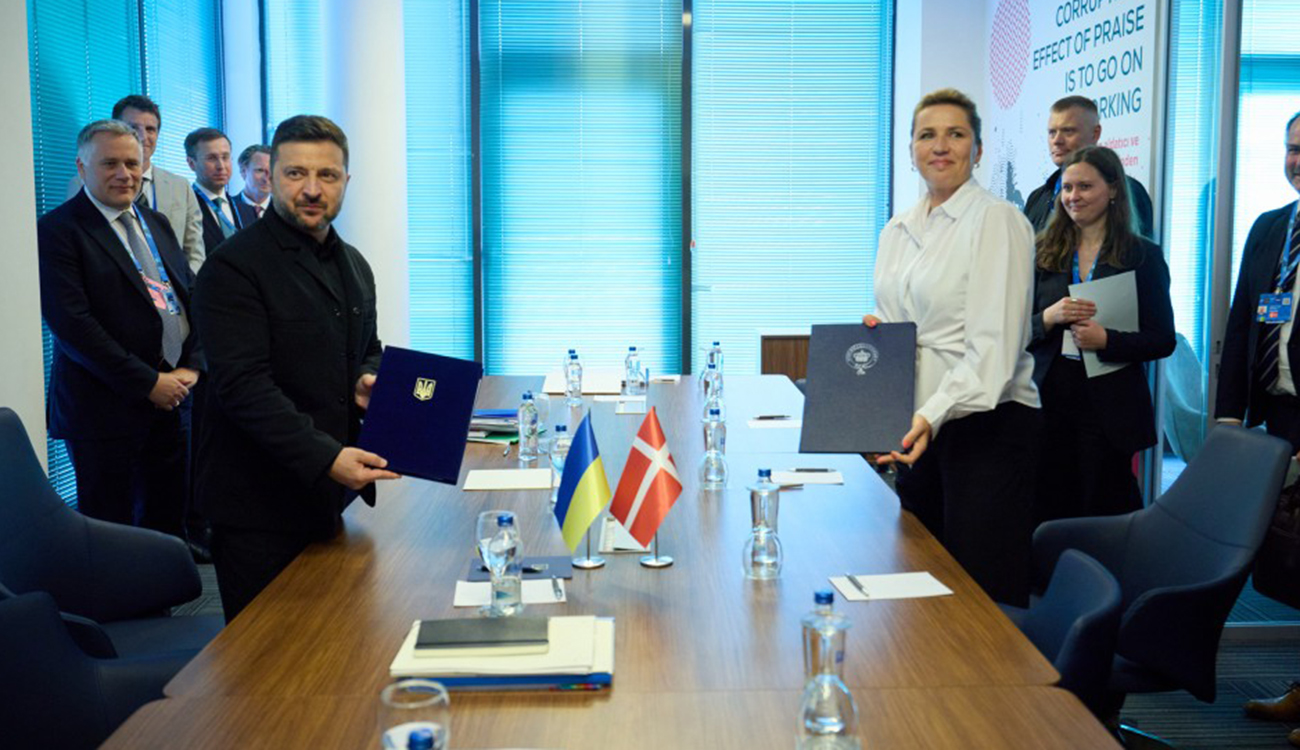
- Ukraine’s Ninth Security Pact Signed: Zelenskyy and Denmark Forge Drone Deal at NATO Summit
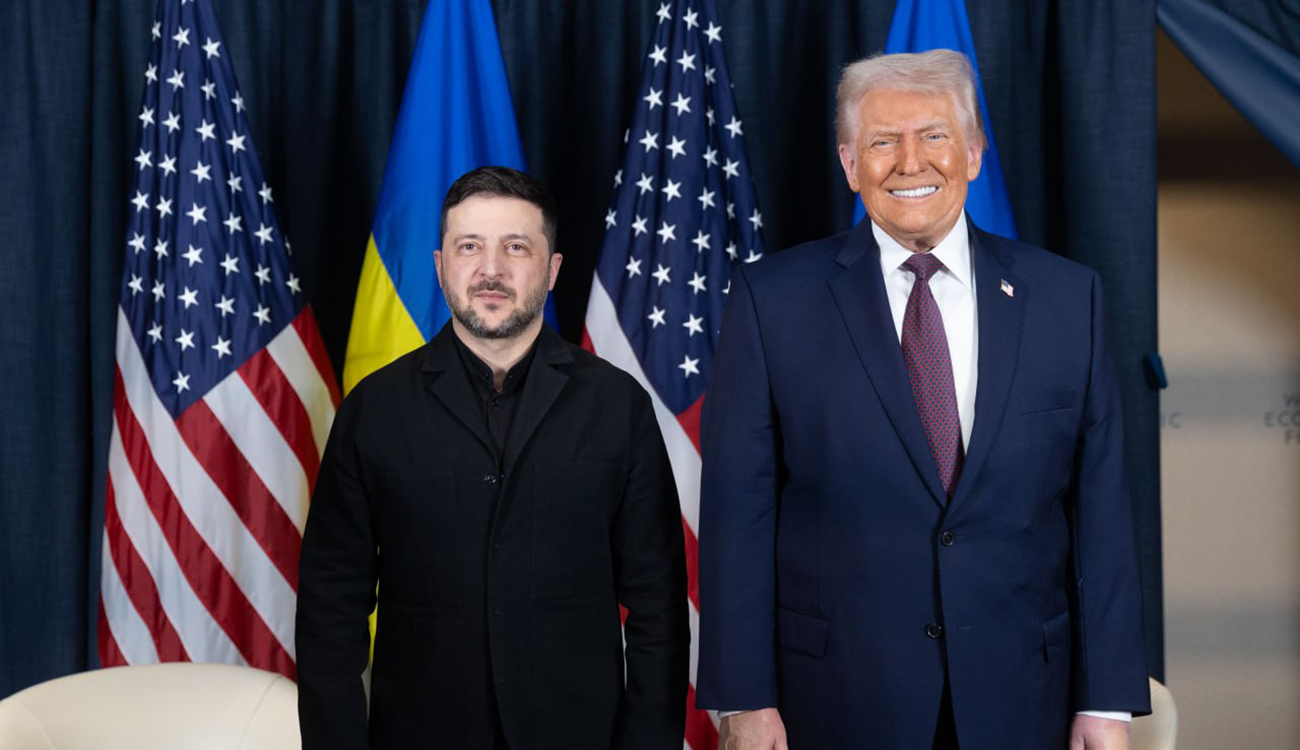
- Trump and Zelenskyy to Meet in Ankara on July 8: Talks Focus on Ending the War
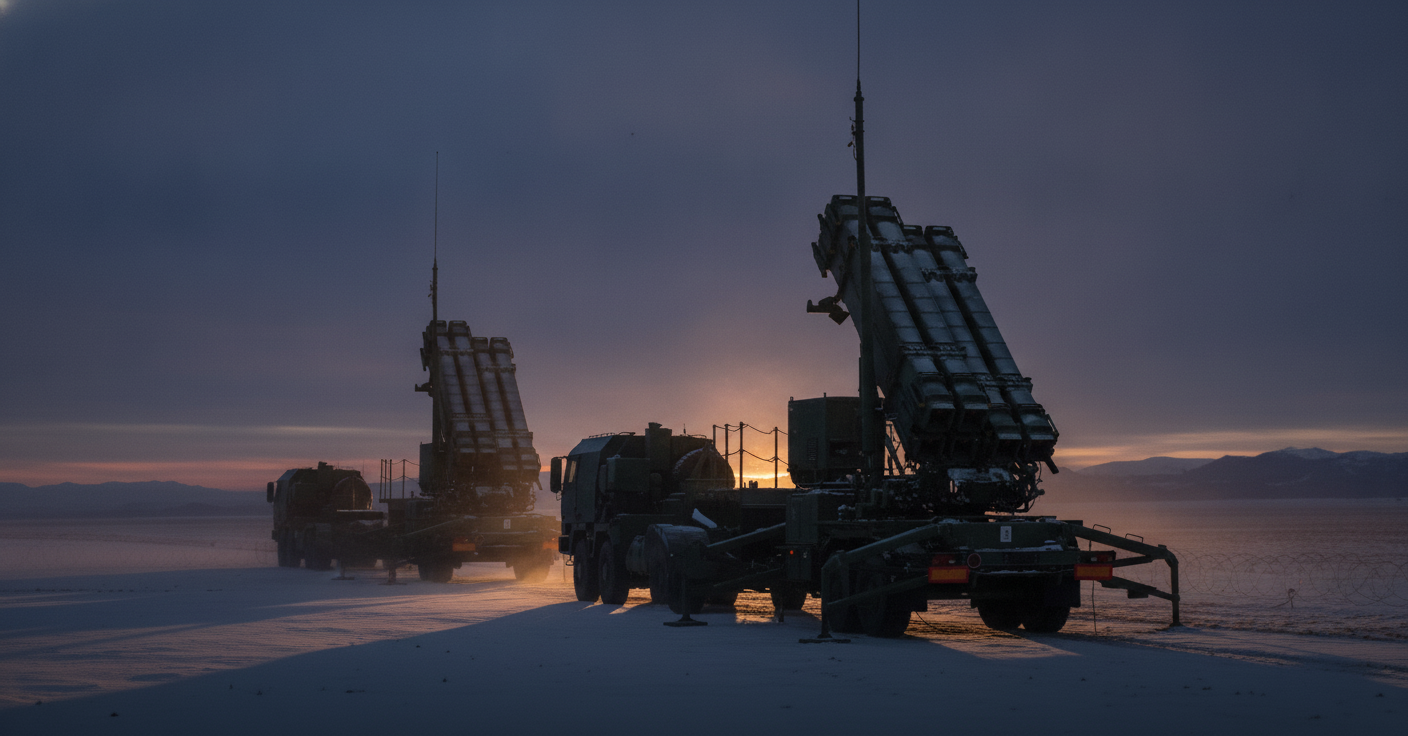
- At NATO Summit, Zelenskyy Proposes Joint Production of Patriot Missiles for Ukraine
- Ukraine faces Patriot missile shortage; U.S. production capacity won't recover until 2030, warns Zelenskyy
- Zelenskyy on Lukashenko: Once Certain of Russian Victory, Now Fleeing the War
- At the NATO Summit in Ankara, Zelenskyy Reports Ukraine Intercepts 90% of Russian Drones and Urges Stronger Air Defense