NBU complicates the closure of SPs: what will change for entrepreneurs.


According to inkorr.com: The National Bank of Ukraine is launching new measures to combat money laundering through individual entrepreneurs. These changes are aimed at complicating the process of closing SPs to prevent their use for illegal purposes.
'There is a problem with the use of SP accounts by 'drops' for illegal purposes, particularly for tax evasion,' the NBU document notes.
According to information from the National Bank, so-called 'money mules' or 'SP-drops' open many bank accounts, receive significant sums under fake contracts, and quickly cease their activities, remaining unnoticed by tax authorities.
New requirements for closing SPs
The National Bank proposes to amend the 'Diya' system to authorize the verification of monetary transactions and tax payments before the liquidation of an SP. In addition, this system will automatically generate a liquidation declaration, allowing business activities to cease only after all requirements are met.
These innovations apply to all entrepreneurs but should not create significant obstacles for honest businesses. Tax consulting offices are already operating in Ukraine, ready to support entrepreneurs in this process.
Therefore, the National Bank of Ukraine is implementing new measures to prevent the use of SPs for money laundering and tax evasion, promoting the development of honest entrepreneurial activity. These innovations may increase trust in the Ukrainian economy and ensure better control over compliance with tax obligations.
Read also
- Global Fuel Markets Shaken as Ukrainian Drones Undermine Russian Control
- Russian Business Owners Are Moving Billions Abroad Amid Fears of Asset Seizure and Forced War Funding
- Former Minister Sobolev Takes on New Role in the President’s Office: What He Will Be Working On
- India Becomes Fuel Supplier to Russia as Diesel Shortage Bites
- Currency Panic Grips Ukraine: Expert Reveals Why People Are Losing Faith in the Hryvnia
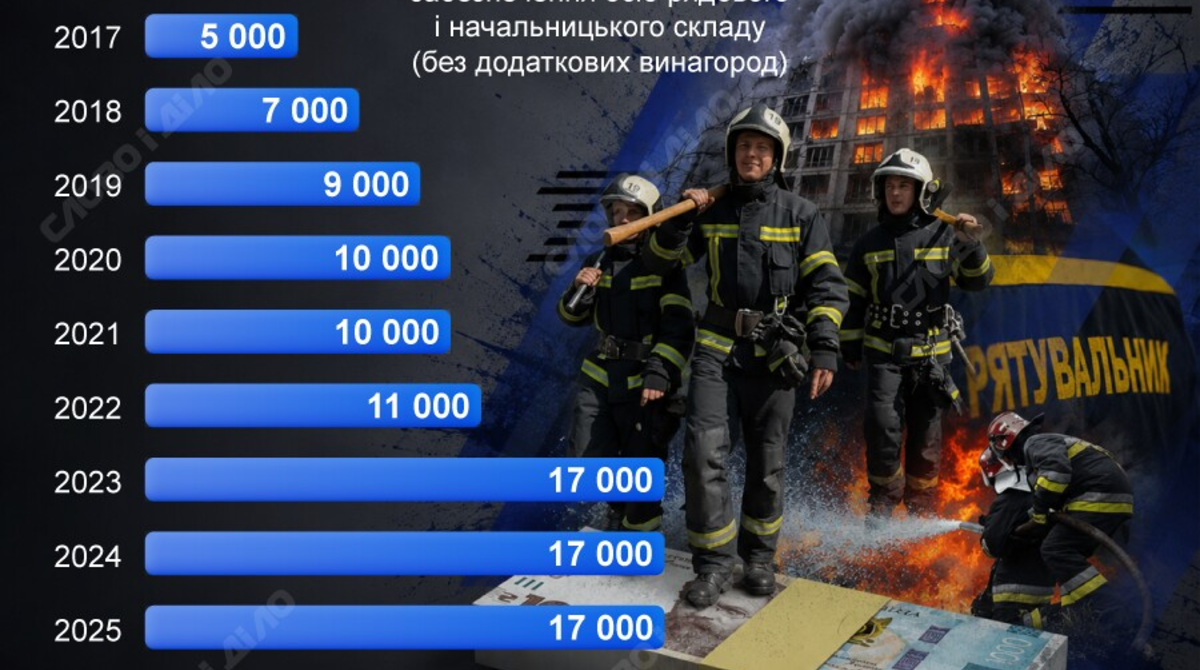
- Major Salary Hikes Planned for Ukrainian Rescuers: Here’s What They Could Earn