Britons Don't Know How to Act in the Event of a Gas Leak: Results of a Shocking Survey.

Survey on Gas Safety Knowledge Among Britons
According to The Sun: The study showed that 40% of Britons do not know how to act in the event of a gas leak at home. A survey of 2000 adults revealed that only 51% feel adequately informed about the risks associated with gas leaks, and only 48% are confident that they can turn off the main gas supply if needed.
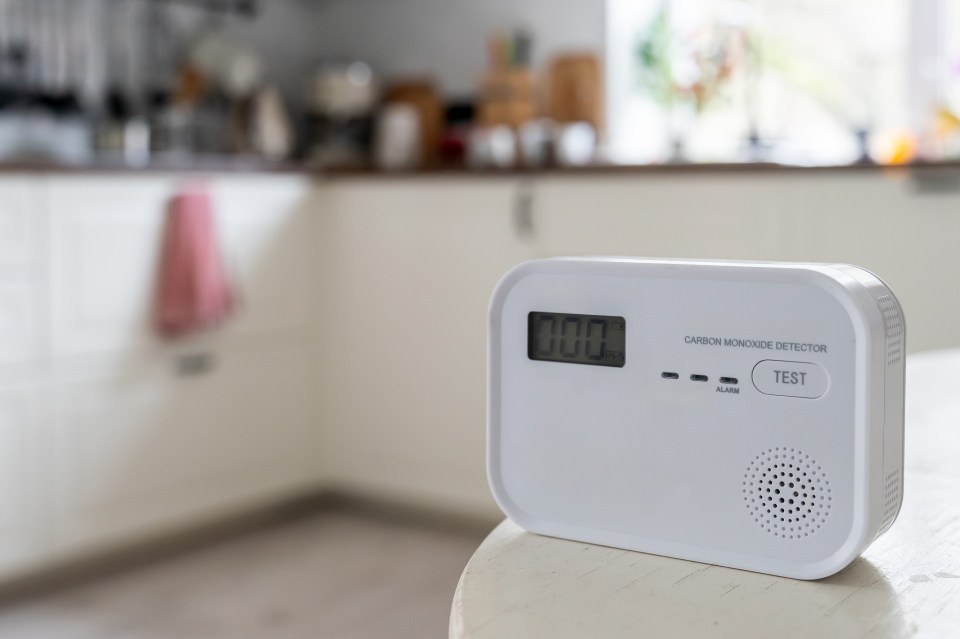
PAOnly 29% of those who have ever encountered a carbon monoxide leak felt confident trying to detect and eliminate it. More than half (47%) have never installed a carbon monoxide alarm to protect their home.
The research, commissioned by British Gas ahead of Gas Safety Week, found that 18% of adults wished they had learned to recognize a gas leak back in school.
“It is clear that we, as a nation, are not as confident in gas safety as we should be,” said British Gas engineer Faye Lucky. “But a few simple steps can significantly improve the situation,” she added.
Practical Tips for Gas Safety at Home
Faye emphasized the importance of annual boiler servicing and checking gas appliances, which can help detect issues at an early stage:
“Regular checks will also help avoid more serious problems, such as fires or carbon monoxide poisoning,” she noted.
According to OnePoll.com, only 45% of respondents indicated that they would feel comfortable checking their carbon monoxide alarm, and 16% have never invited a professional to conduct a safety check on their gas appliances, such as boilers and stoves.
“If someone comes into your home to work on gas appliances, it is important that they are listed in the Gas Safe register,” Faye added.
“Installing a carbon monoxide alarm and regularly checking its functionality will help ensure the overall safety of your home,” she said.
In case you smell gas, Faye advised:
“Take action immediately by calling the gas emergency service at 0800 111 999. Turn off the gas at the shut-off valve, ventilate the room by opening windows and doors, and then leave the area quickly.”
Faye’s Recommendations for Maintaining Gas Safety at Home:
- Know the alarm signals – pay attention to yellow or orange lights on the gas stove, which may indicate poor combustion and potential carbon monoxide risk.
- Schedule regular checks – all gas appliances, such as boilers and kitchen stoves, should be serviced at least once a year by a Gas Safe registered engineer.
- Install a carbon monoxide alarm – check it monthly, replace batteries if needed, and follow the manufacturer's recommendations for replacement.
- Keep vents and chimneys clean – for homes with chimneys, arrange for checks and cleaning to avoid blockages.
- Check for leaks – if you smell gas, open windows, turn off the gas if it is safe, leave the premises, and call the emergency gas line.
- Use appliances properly – never use a stove or oven for heating a room.
- Be cautious with home repairs – attempting to install, change or repair gas appliances yourself is illegal and dangerous. Always use registered Gas Safe engineers.
- Keep records – tenants should obtain and keep copies of the Gas Safety Certificate (CP12), which should be issued annually by their landlords.
These results highlight the importance of raising awareness about gas safety among Britons. Professional checks of gas appliances and prompt responses to potential threats can save lives. Regular education for the population, especially in schools, will become an important step towards enhancing safety levels.
Given this data, it is crucial for everyone to take care of safety in their homes by following the recommendations of specialists and regularly checking the condition of gas appliances. This will not only ensure comfort but also protect against potential issues related to gas leaks.
Read also
- UDP Leadership Accused of Asset Theft: Losses Hit $7 Million
- Russia Faces Fuel Crisis: Putin Admits Shortages as Moscow Prepares to Import Petroleum Products
- Half a Million Bankruptcies in One Year: Russia’s Economy on the Brink of Collapse
- Defense Forces Strike Halts Key Russian Refineries: Fuel Shortage Expected to Hit 30,000 Tons
- Ukraine Disrupts Russia’s Largest Oil Refinery and Targets Shadow Fleet: Escalating Pressure on Moscow’s Energy Sector
- Russia’s Oil Exports Hit Record Highs, but Revenues Shrink as Urals Prices Plummet