The Netherlands calls on the EU and G7 about the risks: what will happen to Russia's assets.

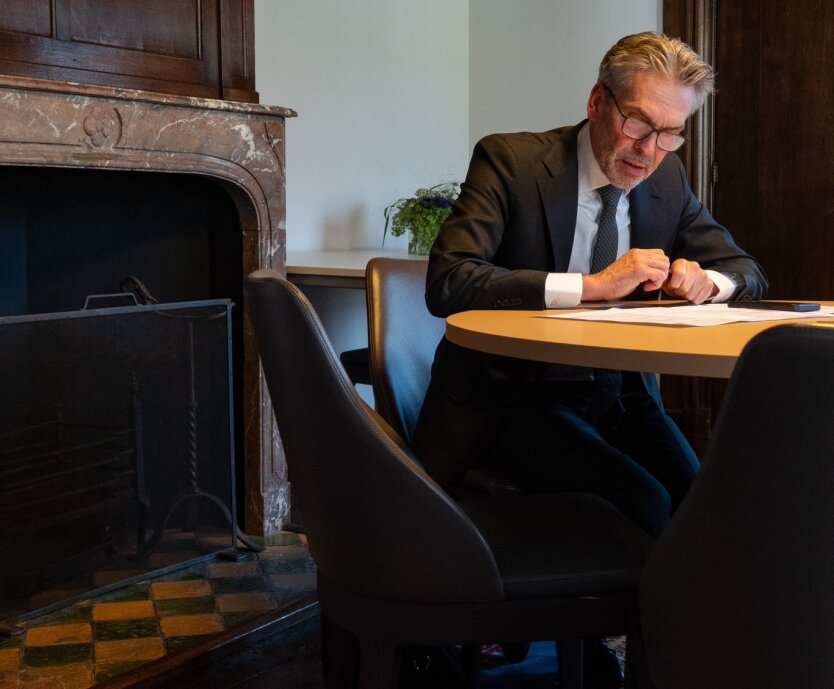
The Netherlands calls on the EU and G7 to share the risks related to frozen Russian assets for the benefit of Ukraine
According to inkorr.com: Prime Minister of the Netherlands, Mark Rutte, has appealed to the countries of the European Union and the Group of Seven to share part of the legal and financial risks associated with the use of frozen Russian assets to support Ukraine. Currently, Belgium bears most of these risks.
The statement was made during a joint press conference with President of Ukraine Volodymyr Zelenskyy, as reported by a Ukrinform correspondent.
Rutte explained that the issue was discussed at an informal summit of the European Council that took place last Thursday. He emphasized support for the idea of a 'reparations loan' for Ukraine and a positive attitude toward using frozen Russian assets.
However, the Prime Minister of Belgium expressed concern about the legal and financial risks associated with such a loan.
'Belgium cannot bear all the risks. We all in the European Union, as well as within the G7, must share these risks,' emphasized the Prime Minister of the Netherlands.
Reaching an agreement on risk distribution among all stakeholders will significantly accelerate the further development of the mechanism for using frozen Russian assets.
Thus, the Prime Minister of the Netherlands called for support for the idea of risk distribution, which should simplify the use of frozen assets to help Ukraine, which, in turn, will contribute to a more effective resolution of the situation.
These calls confirm the importance of international cooperation in the context of the war in Ukraine. If the proposed initiatives are implemented, it could significantly strengthen financial support for Ukraine and help in rebuilding the country after the conflict. Joint efforts of the European Union and the G7 could enhance the effectiveness of the fight against the consequences of Russia's aggression and create new support mechanisms for restoring the Ukrainian economy.
Read also
- New U.S. Tariffs Hit 60 Nations: Here Are the Rates for the EU and Russia
- Russia’s Oil and Gas Revenue Set to Surge by 60%—Here’s What’s Driving the Jump
- IMF Disburses $690 Million Second Tranche to Ukraine: Where the Funds Are Going
- Russia’s Budget Deficit Could Hit 7 Trillion Rubles—What Are the Default Risks?
- Expert Sets Critical Threshold: 60% of Russia's Oil Refining Capacity Must Be Destroyed
- Russia Faces Imminent Fuel Crisis: Why Refinery Recovery Is Nearly Impossible, Expert Warns