The Netherlands will no longer provide housing for working Ukrainians: what will change.

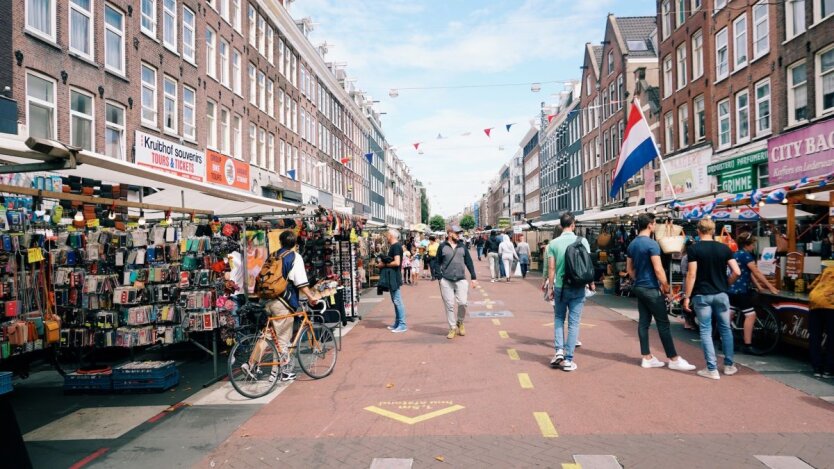
The Netherlands: Ukrainian men must independently solve their housing issues
According to inkorr.com: The Minister of Asylum and Migration of the Netherlands, Keizer, stated the need for Ukrainian men working in the country to independently resolve their housing issues. This decision was made due to a critical shortage of accommodation for Ukrainians, which has already been responded to by the Red Cross and local municipalities.
According to the minister, the Netherlands has reached the peak of its capabilities in providing shelter for refugees. Therefore, it is quite logical for men who have jobs to cover housing costs themselves, just as local residents do. At the same time, mothers with children will continue to receive state shelter. There is a temporary protection program for Ukrainian refugees that has been extended to 2027.
Municipalities have approximately 97,000 beds for Ukrainians, all of which are currently occupied. Hundreds of new refugees arrive in the country every month. The European directive on temporary protection guarantees Ukrainians the right to housing and education in the Netherlands, but a representative of the Red Cross considers the minister's proposals ineffective.
Ukrainian men working in the Netherlands are now required to independently search for housing due to the lack of available places. Municipalities have filled all available beds for refugees from Ukraine, although new refugees continue to arrive in the country. The European directive provides Ukrainians access to shelter and education; however, some organizations, including the Red Cross, express disagreement with the minister's proposals regarding housing solutions.
The housing situation for Ukrainian refugees in the Netherlands is becoming increasingly complicated. Despite government support, the need for humane conditions for all arrivals remains urgent. Further steps from the government and international organizations may be decisive in improving this issue in the future.
Read also
- Fire Point, a Ukrainian Manufacturer, Produces 200 Flamingo Missiles Monthly and Aims for Ballistic Capabilities
- Russia Weighs Seizing $40 Billion in Private Pension Funds to Finance Military Campaign
- As Russian Stocks Crash by Double Digits, the Wealthy Pivot to Crypto and Overseas Real Estate
- Trump Says Talks Possible as Oil Prices Crash After US and Iran Halt Attacks
- Sanctions Disguise Airline Bankruptcies as Rostec Plans a Restructuring of Russian Aviation
- Drone Strikes on CPC Terminal Drive Kazakhstan's Daily Oil Output Down to 133,200 Metric Tons