Drone Strikes on CPC Terminal Drive Kazakhstan's Daily Oil Output Down to 133,200 Metric Tons.

Kazakhstan's Oil Production Takes a Hit
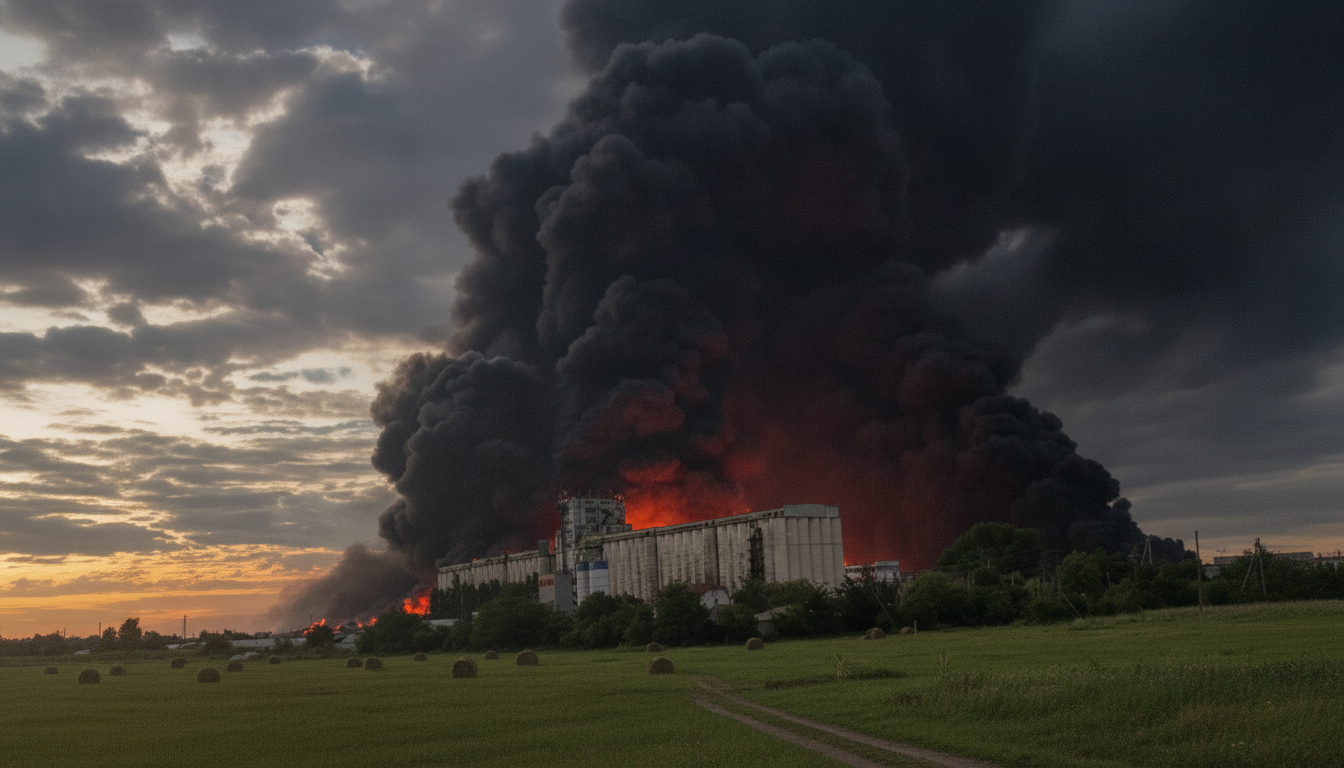
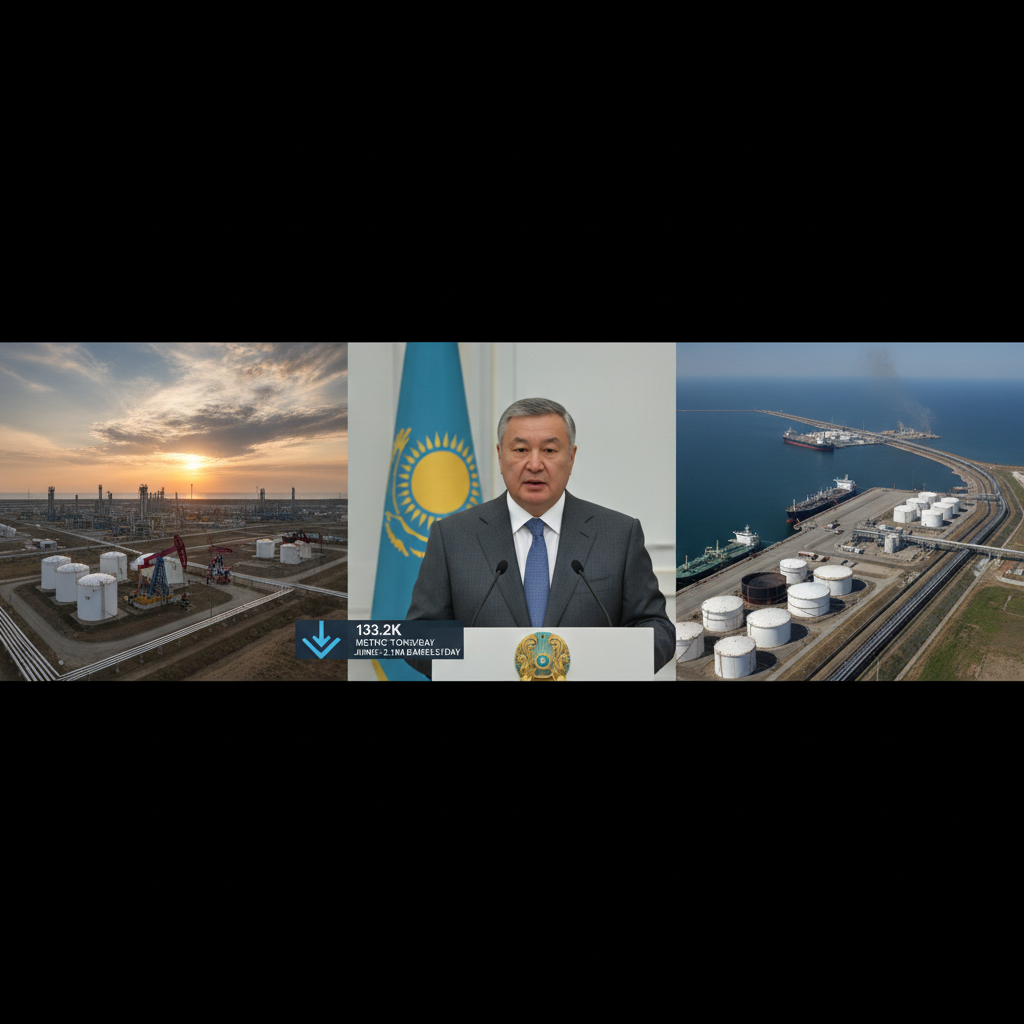
According to Espreso.tv: Kazakhstan's daily extraction of crude oil and gas condensate has fallen to 133,200 metric tons—a sharp reduction that underscores the vulnerability of the country's energy sector to infrastructure attacks. This decline follows drone assaults on the Caspian Pipeline Consortium (CPC) terminal in Novorossiysk, Russia, a facility that moves over 80% of Kazakhstan's oil exports. By contrast, in June the nation was producing 2.16 million barrels per day, highlighting the severity of the drop.
Economic and Geopolitical Repercussions
The CPC pipeline, spanning more than 1,500 kilometers, connects the giant Tengiz field in Kazakhstan to the Black Sea port of Novorossiysk. This route is the country's primary export artery, and damage to it has directly curbed output volumes. Kazakhstan's heavy reliance on this single corridor leaves it exposed to external shocks.
- On July 25, Kazakh President Kassym-Jomart Tokayev appealed to Russian President Vladimir Putin to freeze the war in Ukraine—a move interpreted as an effort to restore regional stability.
- Kremlin spokesman Dmitry Peskov responded by stating that "Russia will fight in Ukraine until complete victory."
Andriy Sybiha described Tokayev's call as "realistic, timely, and wise." The situation illustrates how deeply regional geopolitical tensions are intertwined with Kazakhstan's economic health.
The slump in oil output sends a worrying signal for Kazakhstan's economy, which remains heavily dependent on energy exports and thus vulnerable to disruption. The drone attacks on the CPC terminal underscore the critical importance of regional stability for maintaining energy infrastructure. How the conflict in Ukraine evolves—and how leaders react—will likely have major consequences for Kazakhstan's economic outlook.
Read also
- Kremlin Rebuffs Tokayev's Appeal for Putin to End Ukraine War
- Weekend Toll Hits 14 as Russian Forces Unleash Coordinated Strikes on Ukrainian Cities
- Forthcoming Proposal Aimed at Ending Aerial Strikes Being Drafted by Ukraine and the United States – What to Know
- Peace Appeal From Kazakh Leader During Putin Meeting
- Tokaev told Putin: the reasons for the war in Ukraine are unclear
- A 35-Minute Manila Meeting Between Rubio and Lavrov Puts Ukraine War at the Center of Talks