Partial Restoration of Gasoline Output at Russian Refineries After Drone Strikes: 30-40% Capacity Recovered, but Full Repair Deemed Unlikely.

Status of Russia's Oil Refining Sector
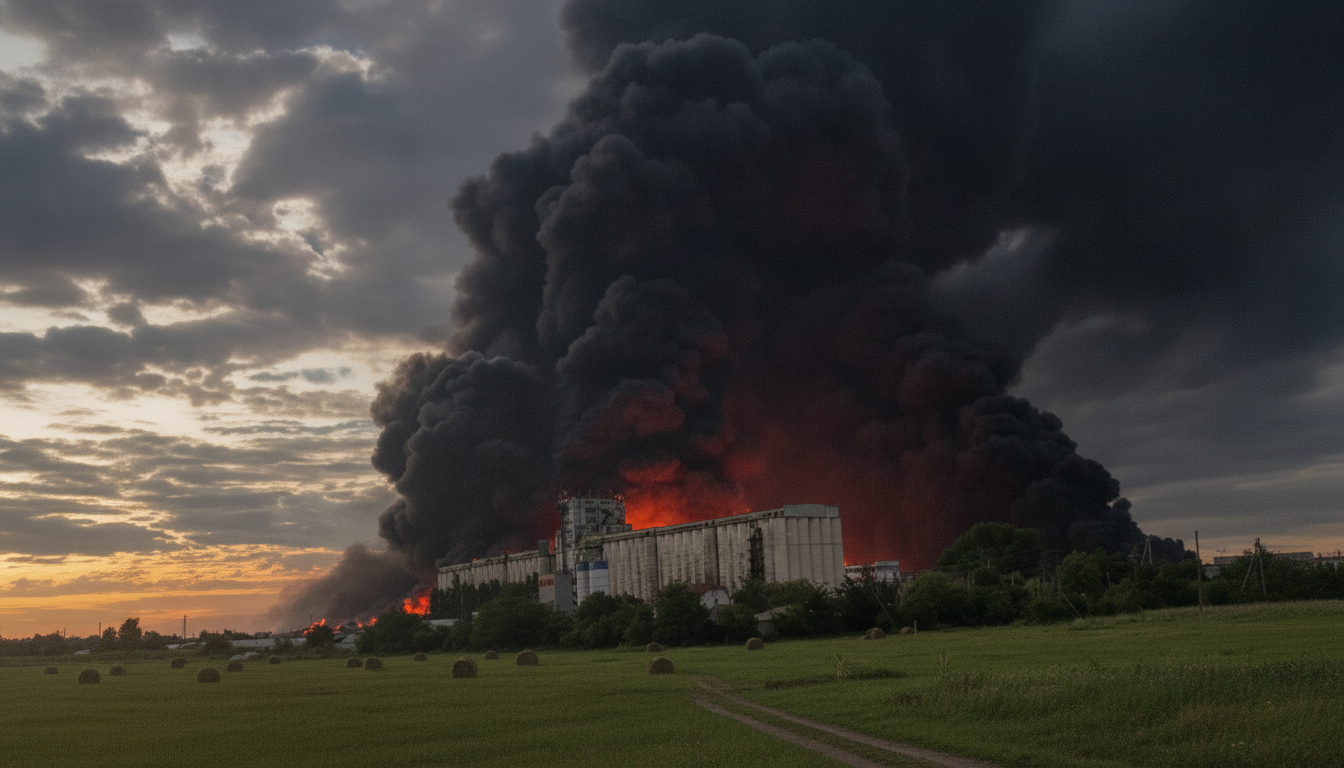
According to UATV: Ukrainian drone attacks have forced Russian oil refineries to suspend operations, but recent data shows a partial recovery. Over the past two months, facilities have managed to restore 30-40% of their gasoline production capacity. This indicates that, despite the damage inflicted, some infrastructure has resumed functioning—though Russian economists caution that full restoration remains out of reach.
Pavel Lakiychuk, an analyst, highlights the scale of destruction:
'It is clear that the remaining part of these plants cannot be repaired; the equipment has been so severely damaged that reconstruction will be extremely challenging.'This assessment underscores the deep structural problems facing Russia's refining industry and suggests that repair costs could weigh heavily on the national economy.
Repair Costs and Broader Economic Impact
Each strike on a refinery forces Russia to divert substantial financial and material resources toward fixing damaged assets.
Lakiychuk further notes, 'When a refinery produces gasoline, it generates oil dollars for the Russian budget.'Ukraine's strategy is designed to force the Kremlin to spend its oil revenues on rebuilding infrastructure rather than on funding the war effort—a tactic that could have far-reaching consequences for Russia's economy, which is already strained by sanctions and military spending.
Although the partial restoration of operations is a positive sign, the extensive equipment damage points to the likelihood that a complete recovery may never be achieved. This situation will likely increase the burden on Russia's budget, already under pressure. The targeting of critical energy infrastructure has become a key component of Ukraine's broader military campaign, weakening Russia's economic foundation and limiting its ability to sustain the conflict over the long term.
Ukraine has been systematically attacking Russian oil refineries to disrupt fuel supplies for the military and curb a crucial source of hard currency. As a result, Moscow faces mounting costs and reduced export earnings, which could influence its strategic decisions in the coming months.
Read also
- Sanctions Disguise Airline Bankruptcies as Rostec Plans a Restructuring of Russian Aviation
- Drone Strikes on CPC Terminal Drive Kazakhstan's Daily Oil Output Down to 133,200 Metric Tons
- New U.S. Tariffs Hit 60 Nations: Here Are the Rates for the EU and Russia
- Russia’s Oil and Gas Revenue Set to Surge by 60%—Here’s What’s Driving the Jump
- IMF Disburses $690 Million Second Tranche to Ukraine: Where the Funds Are Going
- Russia’s Budget Deficit Could Hit 7 Trillion Rubles—What Are the Default Risks?