Germany Authorizes Military to Shoot Down Drones in New Security Law.

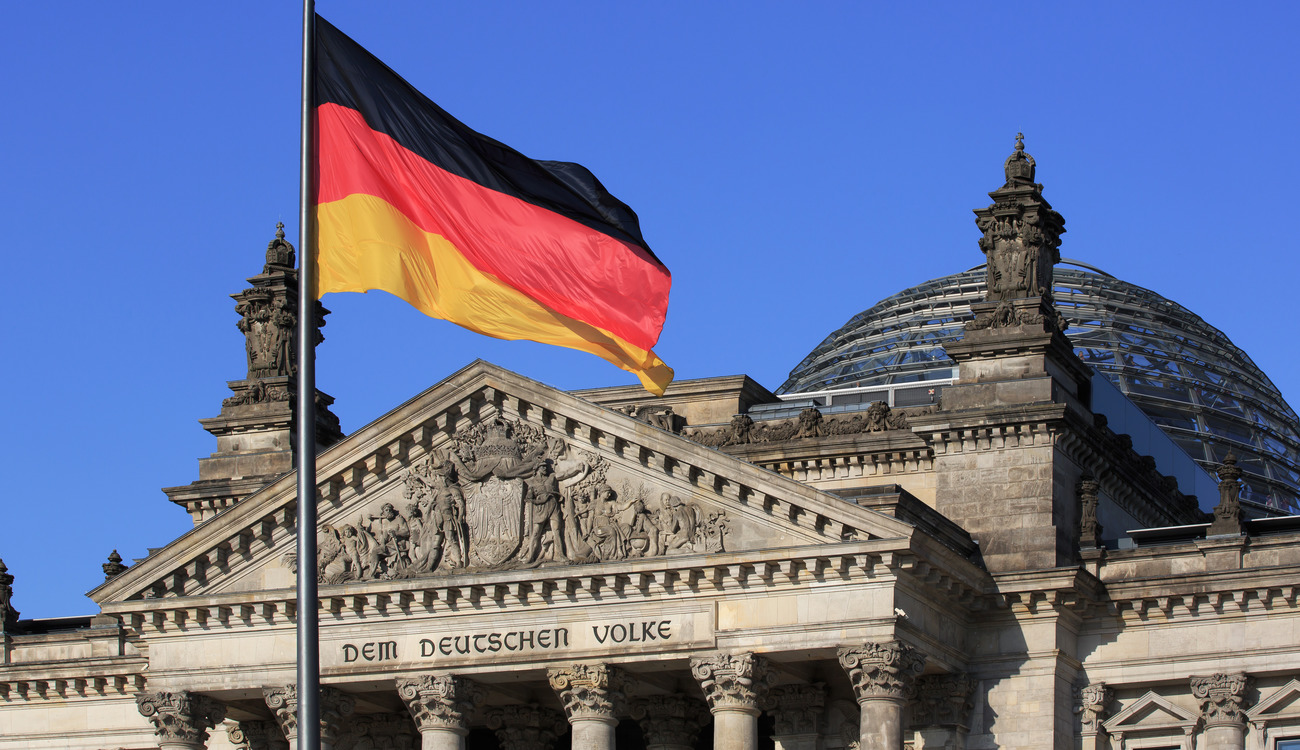
Germany's Legislative Shift on Airspace Security
According to UATV: The German parliament has passed an amendment to its air security law, granting the military new authority to engage and destroy unidentified drones. This legislative change empowers individual federal states to formally request assistance from the German Armed Forces when facing threats posed by unmanned aerial vehicles. Previously, such incidents were handled exclusively by local police forces for investigation.
This decision comes amid a broader European trend of increasing drone-related sabotage and reconnaissance activities. The move reflects a significant policy shift, acknowledging that modern aerial threats sometimes require a military-grade response beyond the scope of civilian law enforcement.
Growing Concerns Over Aerial Threats
The legal amendment underscores Germany's heightened concern over airspace security, particularly the potential use of drones for sabotage. It is designed to enable a faster and more decisive response to airborne threats within the nation's borders. This legislative action aligns with wider European defense coordination efforts, as demonstrated by the 'Group of Five' defense ministers agreeing to jointly develop low-cost military drones. This collaborative project highlights a concerted push among allied nations to modernize defense technologies and coordinate their responses to evolving security challenges, such as those posed by unmanned systems.
Read also
- Poroshenko Calls on Parliament While Delivering $28 Million in Drones and Gear to Ukraine’s Military
- Ukraine Refrains from Striking the Crimea Bridge, Security Forces Commander Explains Why
- New Moldovan Government Takes Office: Who Holds Key Cabinet Positions
- Ukraine Calls Emergency UN Security Council Session Over Russian Strikes on Civilian Ships in the Black Sea
- Kremlin propaganda pushes false claims of US-Russia talks that exclude Ukraine
- Fedorov Dismissed as Defense Minister: Tensions with Syrskyi Behind the Decision