Can Germany's Auto Giants Survive Beyond 2030? The Precarious Future of BMW, Mercedes, and Volkswagen.

Existential Threats to Germany's Automotive Sector
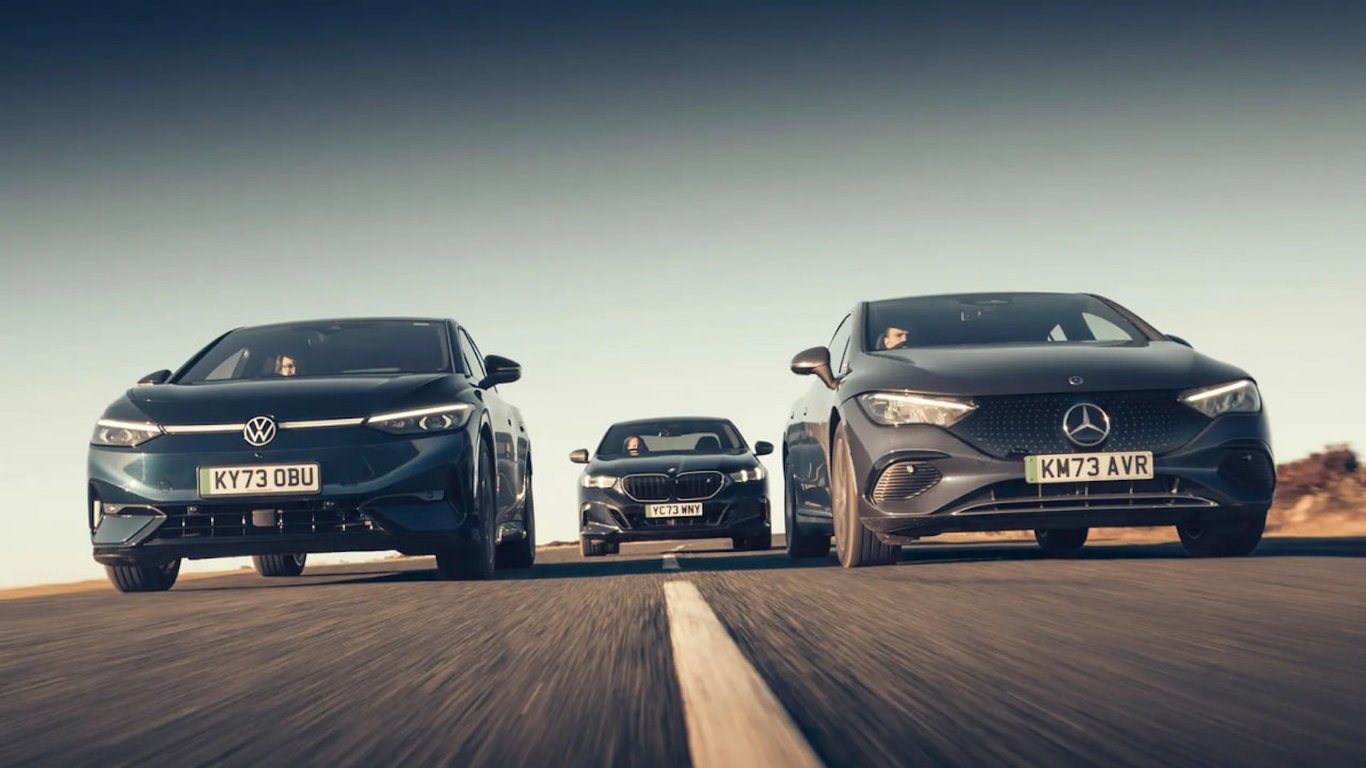
According to Novyny.live: Germany's storied car industry is confronting a severe existential crisis, driven by technological lag and intensifying competition from Asian manufacturers. According to Moritz Schularick, President of the Kiel Institute for the World Economy, iconic brands BMW, Mercedes-Benz, and Volkswagen risk not surviving past 2030 unless they radically adapt to new market realities. This warning highlights a profound shift in the global automotive landscape, where traditional engineering prowess is no longer a guaranteed advantage.
The technological race in the auto sector is accelerating, with Chinese competitors now outpacing German firms in developing autonomous driving systems and proprietary software. This creates significant additional hurdles for the established German marques, which face urgent pressure to overhaul their technological foundations. In contrast, Volvo—after coming under the control of China's Geely—successfully integrated modern solutions and enhanced its technological agility, serving as a model of adaptation in the new market era.
Potential Paths to Survival for German Carmakers
In a bid to maintain competitiveness, Volkswagen is preparing to launch the ID. Polo model, featuring advanced software and a competitive price point. While this move could help the company stay in the game, the overarching threats facing German automakers continue to mount. Amid fierce competition and rapid technological evolution, the question of survival for BMW, Mercedes-Benz, and Volkswagen is growing increasingly urgent.
Ultimately, the German auto industry stands at a critical crossroads, requiring swift and decisive action to adapt. Without substantial changes in strategy and technology, the future prospects for these once-dominant brands appear bleak.
This situation underscores the critical importance of innovation and strategic investment in new technologies for traditional automakers.
In a world of breakneck technological change, German companies must find ways to rapidly respond to the challenges before them to remain relevant. The forthcoming steps taken by Volkswagen and its peers will significantly influence their market standing and determine whether they can retain their positions against the rising tide of competition from Asian producers.
Read also
- 50% Tariffs Imposed by Trump on Canadian Goods: Automobiles, Alcohol, and Dairy Hit Hard
- Cotton Shortage Hits NATO Gunpowder Supply: Europe Rushes to Scale Up Production
- Ukraine Receives $690 Million IMF Tranche: Total Aid Reaches $2.2 Billion
- Ukraine Gets $2.2 Billion IMF Nod, But a Key Reform Delay Holds Up the Payout
- Canada Signals Readiness for Talks as Trump Imposes New Tariffs on Canadian Goods
- Fuel Prices in Ukraine Set to Jump by 7–8 Hryvnias: Here’s When the Increase Is Expected