Up to 45-Day Employee Reservations Now Available for Defense Firms via Diia App.

Interim Workforce Protection for Defense Sector Employees
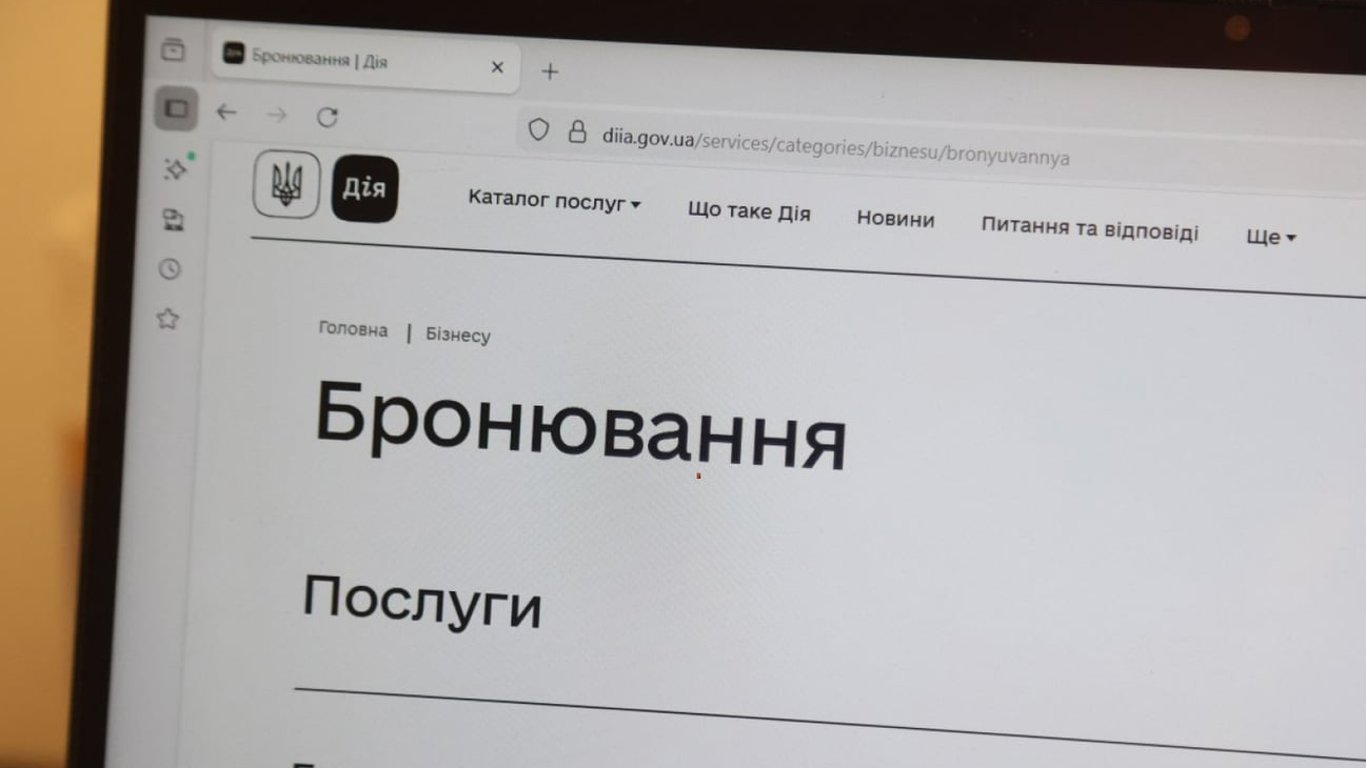
According to Novyny.live: A new policy allows critical defense enterprises in Ukraine to temporarily reserve employees whose military registration status is unresolved, for a period of up to 45 days, using the Diia digital platform. This change specifically targets companies deemed vital to both the armed forces and the national economy.
How the New Process Works and Its Objectives
These temporary reservations, valid for a maximum of 45 days, begin when a company submits a request through the Diia app. Once approved, the employee must use this timeframe to update their military registration data and documents. The initiative is designed to cut red tape for businesses operating under current challenging conditions.
The criteria for designating a company as critically important remain unchanged, ensuring stability for organizations crucial to national defense. Officials indicate that the new rules aim to streamline bureaucratic processes and guarantee uninterrupted operations for enterprises making a substantial contribution to national security.
This reform represents a significant step in supporting Ukraine's defense sector amid ongoing military aggression. By simplifying the employee reservation procedure, companies can retain their workforce and continue fulfilling key national security tasks.
It is essential that these adjustments boost not only responsiveness but also the overall efficiency of enterprises operating in an unstable environment.
Read also
- Global Fuel Markets Shaken as Ukrainian Drones Undermine Russian Control
- Russian Business Owners Are Moving Billions Abroad Amid Fears of Asset Seizure and Forced War Funding
- Former Minister Sobolev Takes on New Role in the President’s Office: What He Will Be Working On
- India Becomes Fuel Supplier to Russia as Diesel Shortage Bites
- Currency Panic Grips Ukraine: Expert Reveals Why People Are Losing Faith in the Hryvnia
- Major Salary Hikes Planned for Ukrainian Rescuers: Here’s What They Could Earn