Orban Escalates Hostility Toward Kyiv: What’s Known About the Hungarian Premier’s Russian Ties.

Political Landscape in Hungary
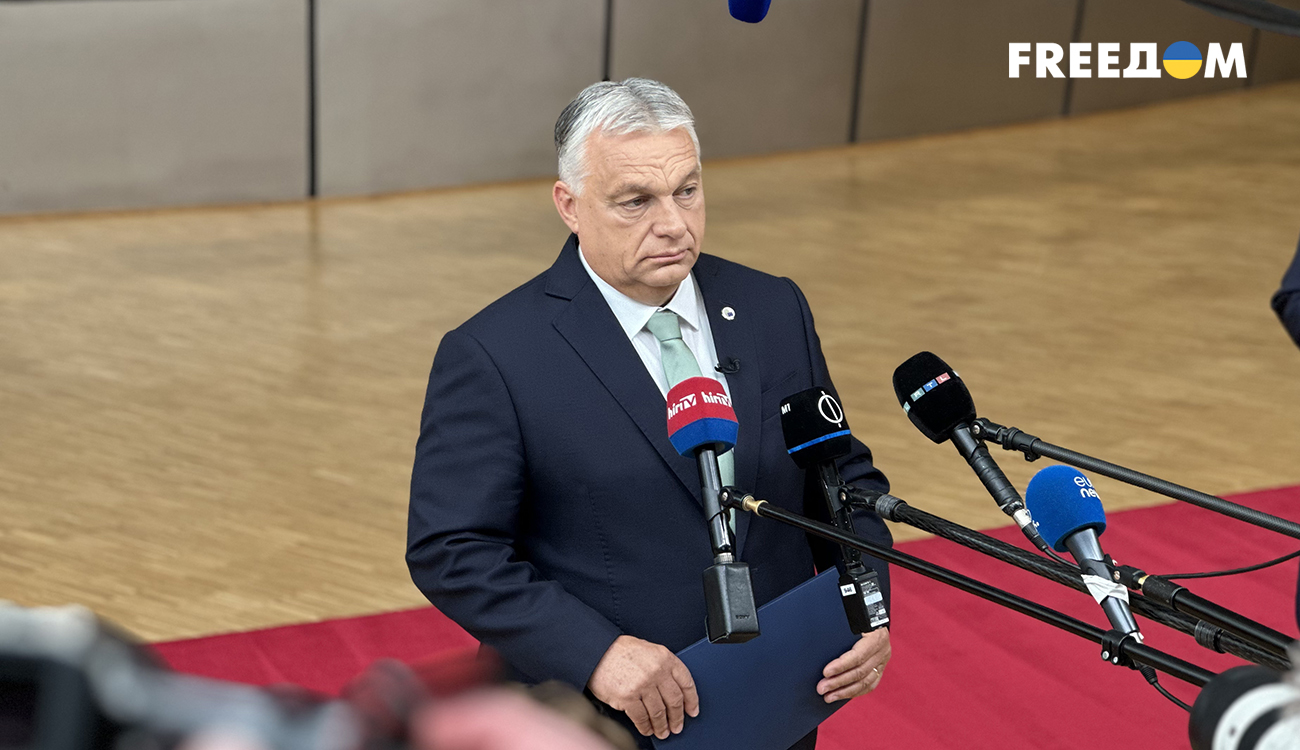
According to UATV: Hungarian Prime Minister Viktor Orban publicly advocates neutrality while effectively pursuing an aggressive stance against Kyiv. Within Hungary, attitudes toward Russia remain divided. His main electoral opponent, Peter Magyar, urges caution in dealings with Moscow.
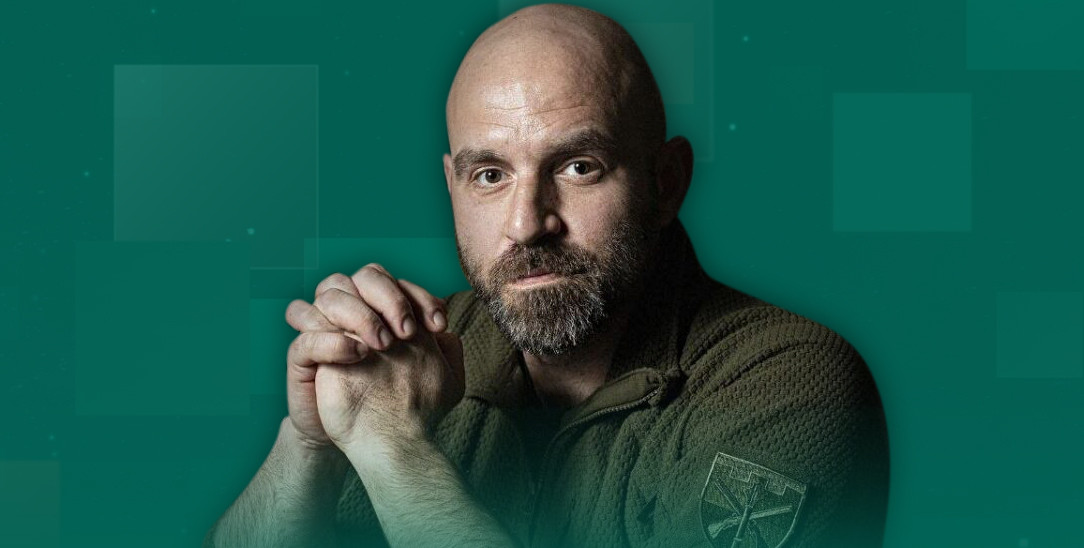
As Hungary’s head of government, Viktor Orban sits at the heart of heated political debates over relations with both Ukraine and Russia. Political analyst Illya Butenko points out that
“Orban is essentially moving directly toward aggression in his approach to Kyiv.”This remark highlights the growing tension between the two nations, despite Orban’s official claims of neutrality.
Stance on Russia and Ukraine
It is worth noting that distrust of Moscow runs deep in Hungary, partly due to the legacy of Soviet domination. This skepticism shapes the country’s political climate and public opinion toward Russia. In this context, Peter Magyar—a former member of the ruling Fidesz party who now belongs to the opposition Tisza party—calls for extreme caution in relations with Moscow. Illya Butenko echoes this view, stating that
“Hungary must adopt a highly cautious position in its dealings with Russia.”
Overall, Hungary’s situation reflects a complex political dynamic in which attitudes toward Ukraine and Russia are subjects of intense debate. Leaders like Orban and Magyar hold opposing views, which could have significant implications for future bilateral relations.
This situation underscores how Hungary stands at a crossroads between Western policy and its traditional ties to Russia—a balancing act that may affect not only bilateral relationships but also regional stability. Against the backdrop of the ongoing war in Ukraine and rising East-West tensions, Hungary’s position could become a crucial factor in shaping the political architecture of Central and Eastern Europe. The rivalry between Orban and Magyar thus mirrors broader trends in the country’s domestic politics and foreign relations.
Read also
- Hungary Braces for Major Probes: Orban and Szijjarto Could Face Consequences for Alleged Kremlin Ties
- Orban Accuses Former Foreign Minister Szijjarto of Treason Over Alleged Moscow Ties
- Hungary Moves to Cap Lawmaker Terms: Madjar Pushes 17th Constitutional Amendment
- Hungary Blocks Ukraine’s EU Accession Again—Key Milestone Delayed
- Hungary Opposes Fast-Track EU Membership for Ukraine: Key Details Emerge
- Orban Warns EU Against Rushing Ukraine Talks — Here’s What’s Wrong With the Negotiation Clusters