How Orbán Is Weaponizing Zelenskyy’s Image for Election Gains—and Why It Hurts Ukraine.

Hungary’s Upcoming Parliamentary Election
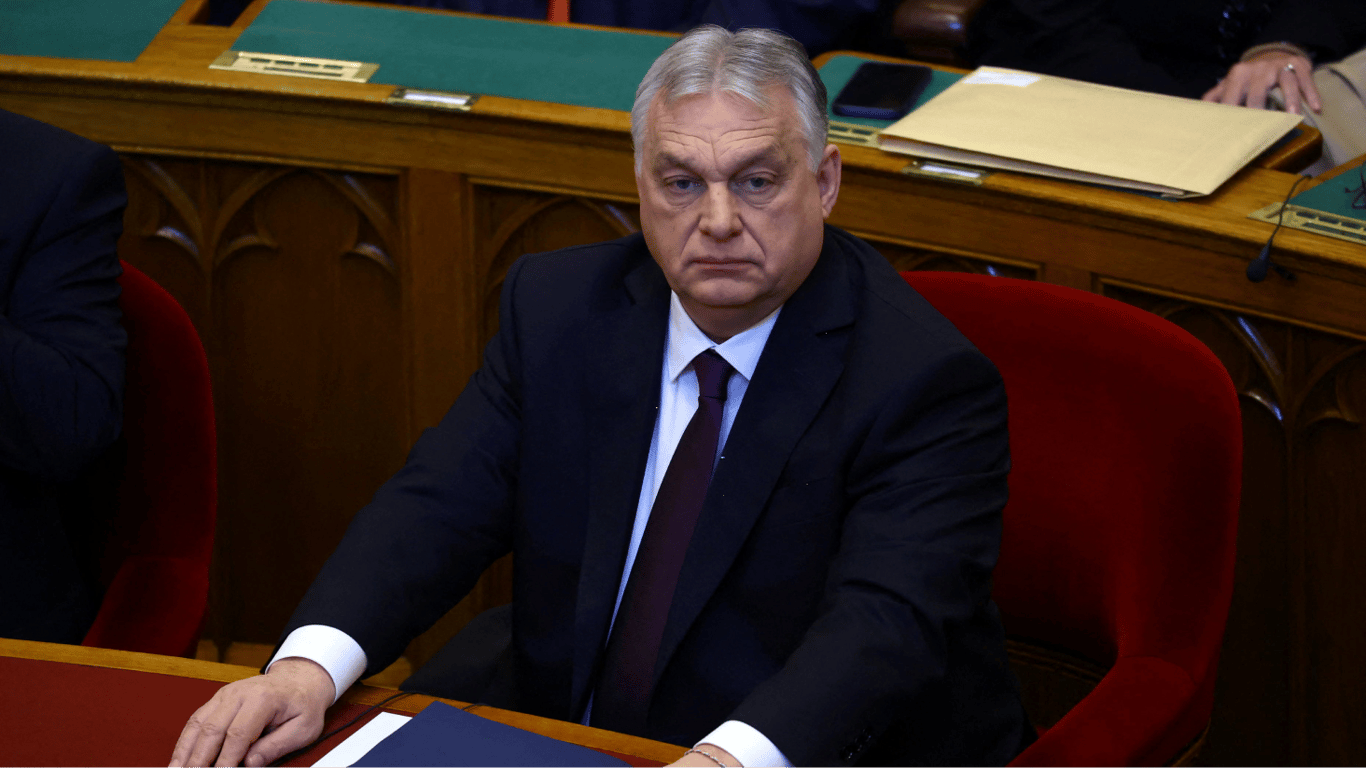
According to Novyny.live: Hungary is set to hold its parliamentary election on April 12. Prime Minister Viktor Orbán is aggressively leveraging a negative portrayal of Ukrainian President Volodymyr Zelenskyy in his campaign. This tactic reveals a strategic effort by Orbán’s Fidesz party to rally voters, partly by vilifying political adversaries.
Opposition Dynamics and Foreign Policy
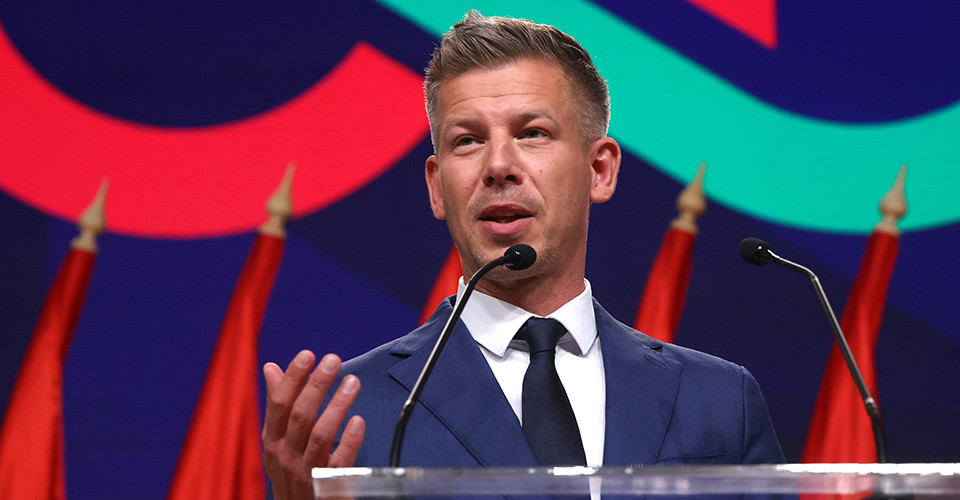
Orbán’s main rival is opposition leader Péter Magyar. Recent polls show his party, Tisza, holding a solid lead of 10–12 percentage points, suggesting many voters are seeking a change from the current government. Meanwhile, Orbán has made clear he will not back any measures favorable to Ukraine, a stance that could strain bilateral relations.
Additionally, Orbán is pushing for the resumption of Russian oil transit via the Druzhba pipeline and is blocking a €90 billion Ukrainian credit package from the European Union. These actions signal the Hungarian government’s reluctance to support Ukrainian initiatives amid the current political climate.
Campaign materials also feature statements aimed at stoking negative views of Zelenskyy. An unidentified author wrote, “Zelenskyy and Magyar are two peas in a pod,” highlighting critical attitudes toward the Ukrainian president. Another quote reads:
“We won’t let Zelenskyy have the last laugh!”—reflecting the sentiment among some Hungarian voters. All of this points to an election season marked by high political tension and active manipulation of ties with neighboring countries.
Hungary’s election campaign showcases the complex interplay of domestic politics, where external factors—especially relations with Ukraine—have become a key part of candidates’ rhetoric. By invoking Zelenskyy’s image, Orbán may not only boost his appeal among certain voters but also deepen existing frictions between the two nations. As the vote approaches, the growing influence of foreign policy on Hungary’s internal affairs underscores how international context now shapes national election campaigns.
Read also
- Hungary Braces for Major Probes: Orban and Szijjarto Could Face Consequences for Alleged Kremlin Ties
- Orban Accuses Former Foreign Minister Szijjarto of Treason Over Alleged Moscow Ties
- Hungary Moves to Cap Lawmaker Terms: Madjar Pushes 17th Constitutional Amendment
- Hungary Blocks Ukraine’s EU Accession Again—Key Milestone Delayed
- Hungary Opposes Fast-Track EU Membership for Ukraine: Key Details Emerge
- Orban Warns EU Against Rushing Ukraine Talks — Here’s What’s Wrong With the Negotiation Clusters