Navalny's Death: How a South American Frog Toxin Could Have Reached a Russian Prison.

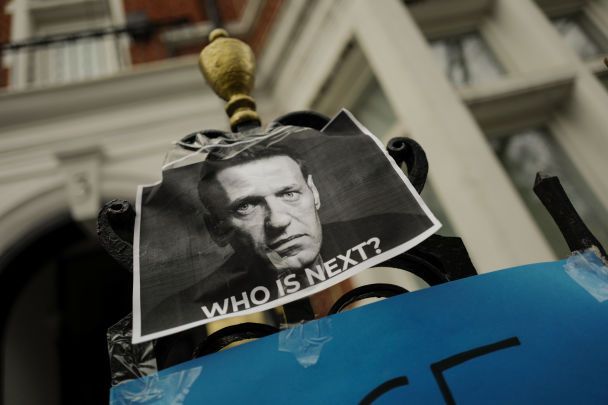
The Death of Alexei Navalny
According to TSN.ua: Alexei Navalny, the prominent Russian opposition politician, died on February 16, 2024. According to the UK Foreign Office and allied nations, Navalny was poisoned with a substance derived from South American frogs. This toxin, described as one of the deadliest on Earth, is 200 times more potent than morphine. Indigenous tribes in South America have historically used this substance on hunting darts.
Navalny had returned to Russia from Germany in January 2021, where he was recovering from a previous poisoning with the nerve agent 'Novichok'. In August 2023, he was sentenced to 19 years in a maximum-security penal colony, and in December 2023, he was transferred to a remote Arctic prison colony in Kharp. The official cause of death was listed as high blood pressure resulting from a chronic cardiac condition.
Aftermath and Reaction
Experts note that such poisons are of interest to Russian operatives because they are notoriously difficult to detect. As Eric Fransson pointed out,
"people can die within 10 to 20 minutes of ingesting a certain amount of these toxins."The effects of poisoning can include paralysis, respiratory failure, and ultimately, death.
Alexei Navalny's death marks another tragic chapter in his struggle for democratic change in Russia and stands as a symbol of the country's political repression. His case is part of a long pattern of attacks on Kremlin critics, both inside Russia and abroad.
The death has provoked a strong international response and highlighted severe human rights issues within Russia. Many analysts believe his killing could spark new protests and escalate political tensions. It may also lead to further international sanctions against Russia, particularly from Western European nations and the United States, which have repeatedly expressed concern over the crackdown on opposition figures.
Read also
- Four Theories Behind the Disappearance of Russia’s Central Bank Chief from Public View
- Moscow Signals Openness to EU Dialogue, Says Finland’s President
- Over $3 Billion Unlocked for Iran by UAE in Deal to Halt Attacks
- American General Receives 'Steel Cross' from Ukraine's Commander-in-Chief: Key Topics Discussed
- U.S. Intelligence Releases Map of Biolabs in Ukraine: Key Details Emerge
- Western Intelligence Assesses Iran's Remaining Missile Capabilities