Partisans of the 'Atesh' Movement Leak Intelligence on Russian Oil Depot: Key Details About the Facility.

Operation by 'Atesh' Movement Fighters
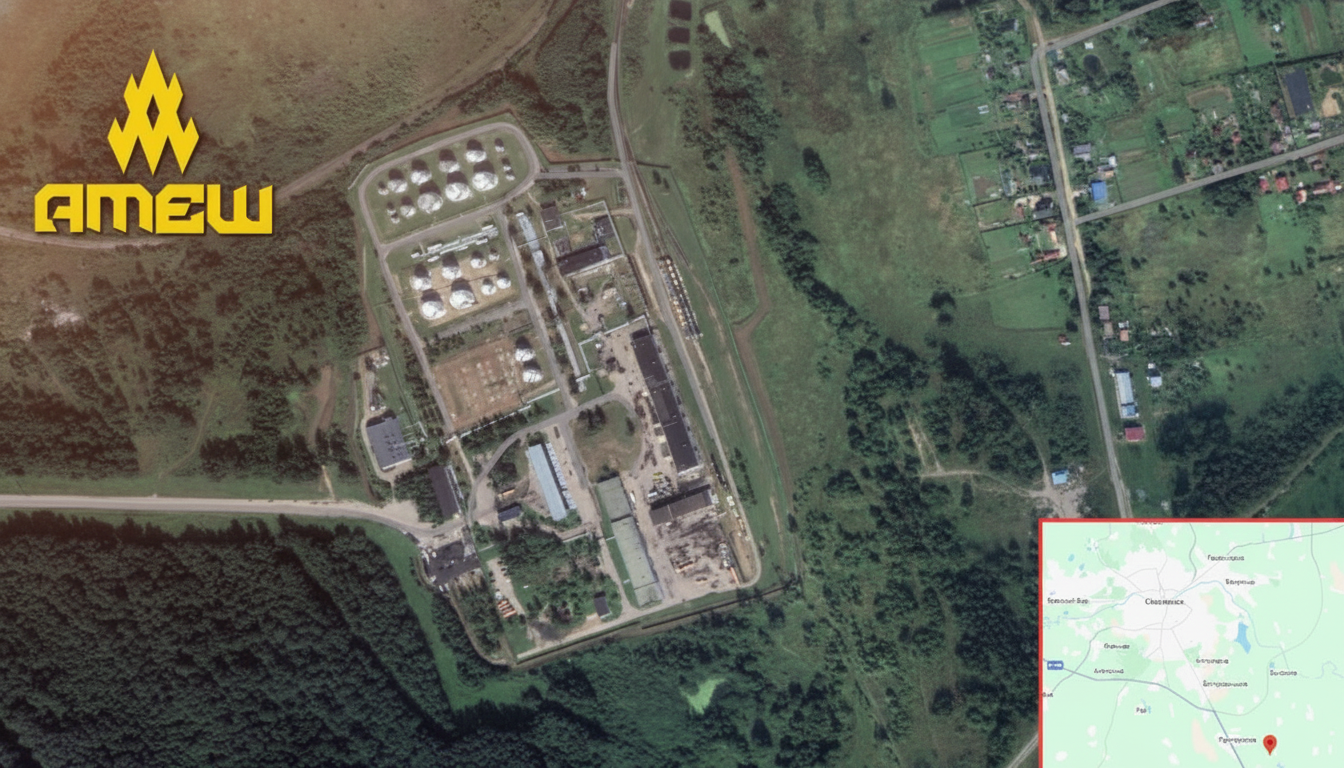
According to UATV: A reconnaissance mission targeting the Smolensk oil depot of PJSC 'Rosneft-Smolensknefteprodukt'—located near the village of Talashkino in Russia—was carried out by partisans from the 'Atesh' movement. The operation yielded intelligence on the site's security and logistics. The depot holds 24 storage tanks designed for gasoline and diesel fuel.
Strategic Importance of the Oil Depot
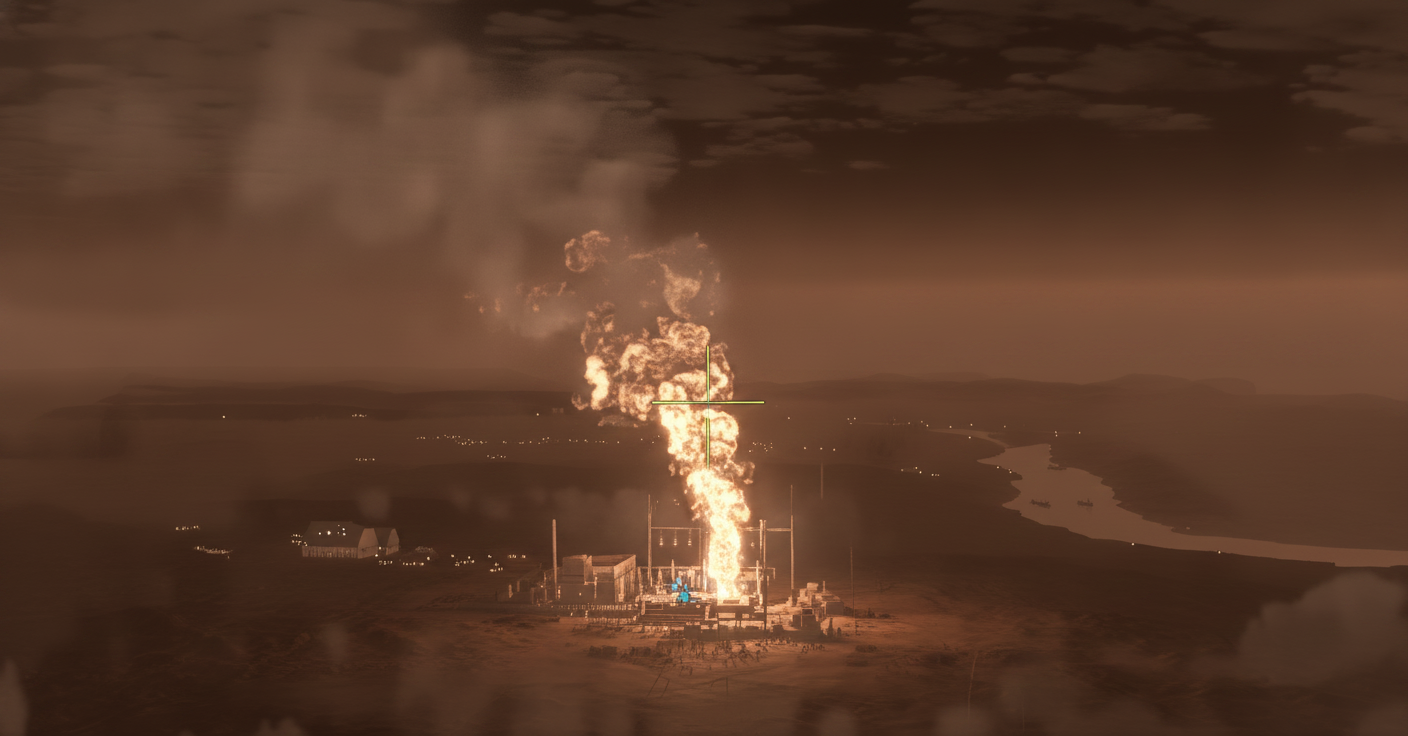
This facility had already been targeted by Ukraine's Defense Forces in April 2024, underscoring its strategic value. In related military actions, on July 19, Ukrainian drones struck two tankers, a dry cargo ship, and a floating crane in the Black Sea, highlighting ongoing combat activity in the region. Additionally, 13 energy infrastructure sites have been destroyed in occupied territories, eight of which are located in Crimea.
Representatives of the 'Atesh' movement stated:
“We managed to obtain not only schematics of the internal infrastructure but also precise schedules for raw material deliveries and routes for shipping finished fuel to supply the occupiers' army.”This reflects the partisans' high level of preparedness and their ability to gather critical intelligence on enemy logistics.
The 'Atesh' group also issued a warning to the occupiers, declaring:
“Right now, the occupiers in Talashkino should brace for the worst and expect new, far more destructive 'visits.'”These remarks emphasize the partisans' intent to continue their operations and inflict damage on Russian military infrastructure in the region.
The 'Atesh' movement's operation signals an intensification of partisan activity in occupied territories, which could have serious repercussions for Russian military logistics. Given that the Talashkino oil depot has already been a target for Ukrainian forces, such partisan actions may escalate the conflict and complicate the supply chain for Russian troops on the front lines. Continued operations of this kind could influence the broader regional situation and the military strategies of both sides.
Read also
- Iran Crisis Deepens: Why a Military Solution Is Inevitable, According to an Expert
- Serial Production Ready: Ukraine’s New Firefly Munition Set for Deployment
- Over 100 Ballistic Missiles in Three Weeks: Russia’s Record-Breaking July Barrage
- Poland Launches Major Military Drills: What the Army Is Preparing For
- Ukraine’s SBU Strikes FSB Hub in Kherson Region: 70 Frontline Clashes Recorded in a Single Day
- Ukrainian Drones Knock Out Power in Crimea: 19 Substations Hit in 'Switch Off' Operation