Shoigu's Warnings Ignored: Chinese, Iranian, and Uzbek Embassies Stay in Kyiv Despite Russian Threats.

How Russia's Allies Reacted
According to UATV: An analysis of how Russia's partners responded to Security Council Secretary Sergei Shoigu's statements about potential strikes on Kyiv shows these threats are not taken seriously. Despite Shoigu's remarks, the embassies of China, Iran, and Uzbekistan continue operating in Kyiv, signaling a lack of belief in Russia's warnings. This is particularly notable given that Russian Security Council Secretary Sergei Shoigu had explicitly raised the possibility of attacks on the Ukrainian capital.
The Chinese embassy is located just a few hundred meters from Kyiv's decision-making center, while the Iranian and Uzbek embassies sit roughly 300 meters from the city's core. This close proximity underscores that these nations do not view Russia's threats as credible. For context, diplomatic missions typically relocate or suspend operations when they perceive genuine danger, making their continued presence a clear signal of their assessment.
International Response
China's political leadership, represented at the foreign minister level, has spoken out against the inadmissibility of threats from Russia. This indicates that Moscow's strategic partners are not taking its position seriously.
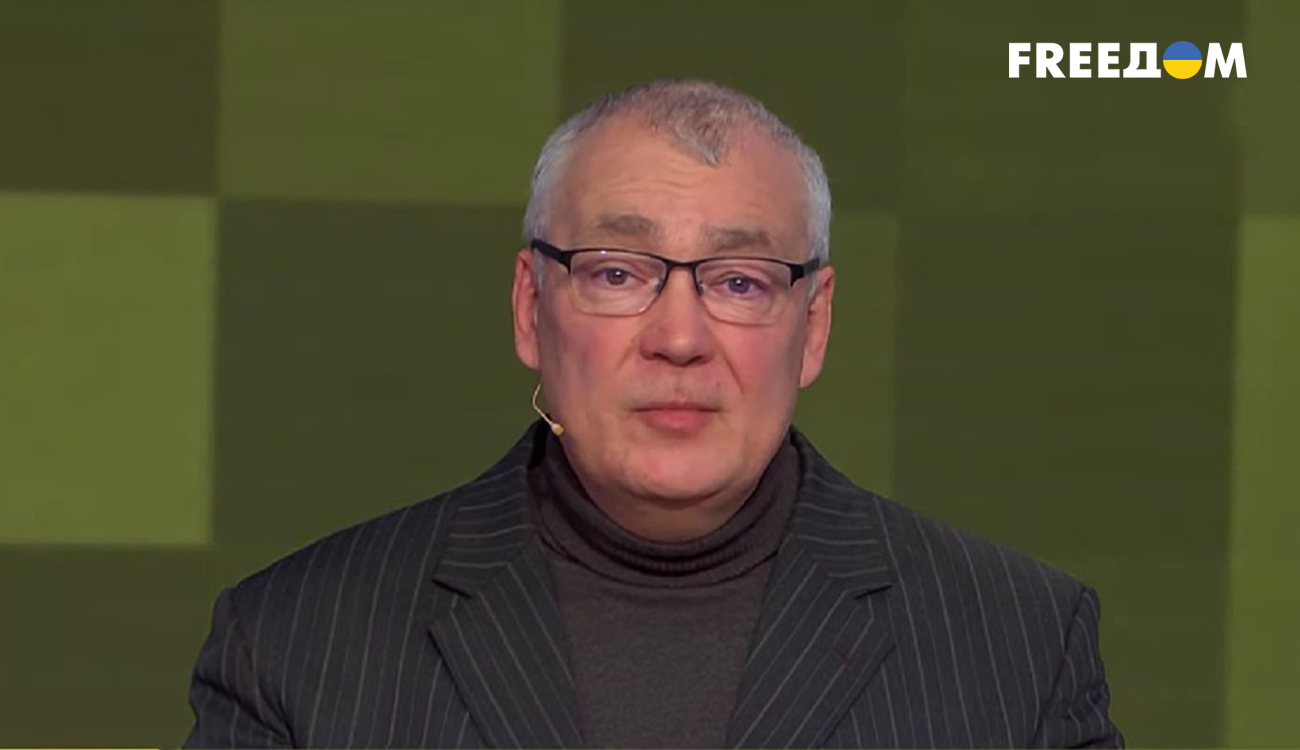
'This is just Shoigu's verbal diarrhea,' commented Dmytro Snegirev. According to him, 'if even Russia's strategic partners continue to stay in Kyiv and work as usual, it means that speaking to the entire civilized world in the language of threats is no longer acceptable for Moscow.'
Additionally, U.S. Deputy Permanent Representative to the UN Tammy Bruce described Russian strikes on Kyiv as barbaric escalation. These comments reflect the broader international community's stance on the consequences of Russian threats. Ultimately, the reaction from Russia's partners shows they do not recognize the seriousness of Shoigu's statements, while also opening new avenues for diplomatic resolution of the situation.
Shoigu's declarations and the international community's response demonstrate that Russia's threats fail to elicit an appropriate reaction even from its own allies. This points to potential shifts in the geopolitical landscape and the need for Russia to reconsider its foreign policy approaches. The refusal of partners to treat these threats seriously could prove pivotal for future developments in the region.
Read also
- Poroshenko Calls on Parliament While Delivering $28 Million in Drones and Gear to Ukraine’s Military
- Ukraine Refrains from Striking the Crimea Bridge, Security Forces Commander Explains Why
- New Moldovan Government Takes Office: Who Holds Key Cabinet Positions
- Ukraine Calls Emergency UN Security Council Session Over Russian Strikes on Civilian Ships in the Black Sea
- Kremlin propaganda pushes false claims of US-Russia talks that exclude Ukraine
- Fedorov Dismissed as Defense Minister: Tensions with Syrskyi Behind the Decision