Ukraine's 13-Year Pension Overhaul: Key Changes and March 1st Payment Adjustments.

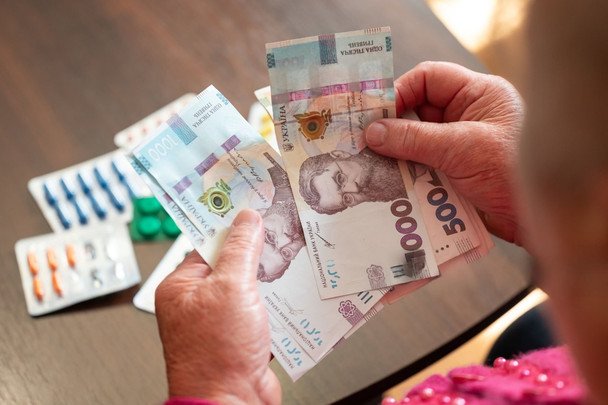
Ukraine's Pension System Transformation
According to TSN.ua: Ukraine is embarking on a comprehensive pension reform set to unfold over a 13-year period. The process includes a scheduled indexation of payments starting March 1, 2023. A central goal of this long-term initiative is the implementation of a points-based pension system, which could launch in the latter half of 2026 or in 2027, with the full transition cycle extending until 2040. This reform is part of broader efforts to modernize the country's social safety net following years of economic challenges.
Under the pension indexation law passed in 2017, the increase coefficient for pensions in 2023 is projected to be approximately 14%. Currently, the maximum state pension in Ukraine is capped at ten times the minimum, amounting to 25,950 UAH. Expert Oleh Pendzin highlighted this linkage, stating,
"the current maximum pension equals ten minimum pensions."He further explained the automatic adjustment mechanism:
"If the minimum pension rises, for example, to 6,000 UAH, then the maximum possible pension would automatically jump to 60,000 UAH."
What to Expect from the Indexation
With indexation taking effect on March 1st, what can pensioners anticipate? The reform aims not only to increase payments but also to establish a more equitable pension provision system for Ukrainian citizens. The specific impact on individual payments will become clearer in the near future as the new mechanisms are implemented. These changes are particularly significant for an aging population reliant on state support.
Ukraine's pension reform represents a crucial step in modernizing its social security framework, with potential to substantially impact the welfare of retirees. The introduction of the points-based system and regular indexation are designed to improve pensioners' livelihoods. However, achieving the desired outcomes will require ensuring economic stability and sustainable funding for the new mechanisms. An increase in the minimum pension could act as a catalyst for raising the maximum pension ceiling, thereby influencing the overall level of social protection for the population.
Read also
- Ukraine Expects Lower Vegetable Prices by Summer 2026 as Crop Outlook Stabilizes
- Paperless Purchases: The Hidden Risks for Online Shoppers Without a Fiscal Receipt
- Fuel Prices Plummet Across Kharkiv Region: Here’s What Petrol and Diesel Now Cost
- Fuel Crisis in Crimea: Prices Surge 50%, Long Lines Emerge, and Resellers Face Legal Action
- Is Keeping Savings in Hryvnia a Smart Move at a Rate of 45? An Expert Weighs In
- Strikes on Chongar and Fuel Shortages Push Crimea Toward a Logistics Meltdown