Double Your Seed Germination Speed with Hydrogen Peroxide.

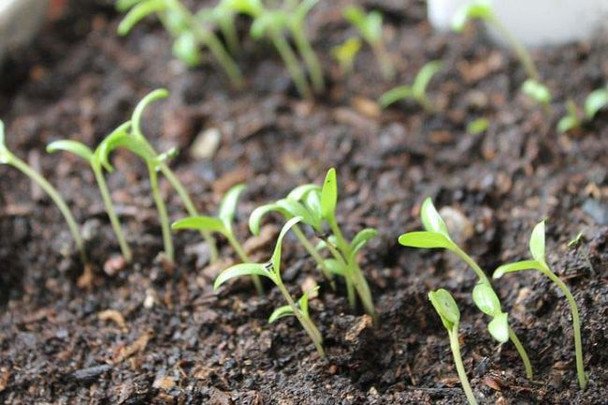
Pre-Sowing Seed Preparation
According to TSN.ua: Treating seeds before planting is a critical step for successful cultivation. One highly effective technique involves using hydrogen peroxide, specifically a 3% solution. This common household chemical serves a dual purpose: it disinfects the seeds and significantly stimulates their growth. The result is a dramatic acceleration, with treated seeds germinating up to twice as fast, leading to earlier plant development and a potentially longer growing season.
The treatment process involves soaking the seeds in a solution of one tablespoon of hydrogen peroxide per half liter of water for a period of 10 to 12 hours. For optimal sprouting, maintaining a consistent temperature between 26–28°C (79–82°F) is crucial. These controlled conditions help ensure the young plants get the best possible start.
The Benefits of Using Hydrogen Peroxide
Employing hydrogen peroxide offers several key advantages for gardeners and farmers, including:
- Substantially improved germination rates;
- Enhanced seed resilience against diseases;
- Activation and invigoration of the growth processes.
It is important to identify which types of seeds are suitable for this soaking method to fully leverage its positive effects. This treatment is a component of modern pre-sowing technology designed to provide future plants with a successful and vigorous beginning.
In summary, hydrogen peroxide proves to be a powerful tool for seed preparation. It goes beyond mere disinfection to actively promote growth, creating ideal conditions for sprouting and establishing a strong foundation for healthy crops.
The use of hydrogen peroxide in agriculture reflects a growing interest in accessible, non-traditional seed treatments that can meaningfully impact yields. Research and practical application confirm that proper, timely seed treatment can be a cornerstone of a successful harvest. This is particularly relevant in the face of climate variability and increasing plant disease pressures, making such technologies a valuable consideration for growers aiming to improve their productivity.
Read also
- A Simple Summer Salad with Young Cabbage and Cucumbers: Recipe from 'Kitchen with Marina'
- When the Sun Stands Still: Summer Solstice 2026 Date, Traditions, and What to Expect
- Boost Your June Garlic Harvest: Essential Fertilizers for Bigger Bulbs
- Egg-Stuffed Potato Baskets: A Simple Recipe from the 'Kitchen with Maryna' YouTube Channel
- Tarot Warns of Financial Pitfalls: Zodiac Signs That Must Stay Cautious This June
- Cherry Custard Napoleon Cake: A Delicious Recipe to Try