Weakest Points of the Popular 2.0 TDI EA288 Diesel Engine Revealed.

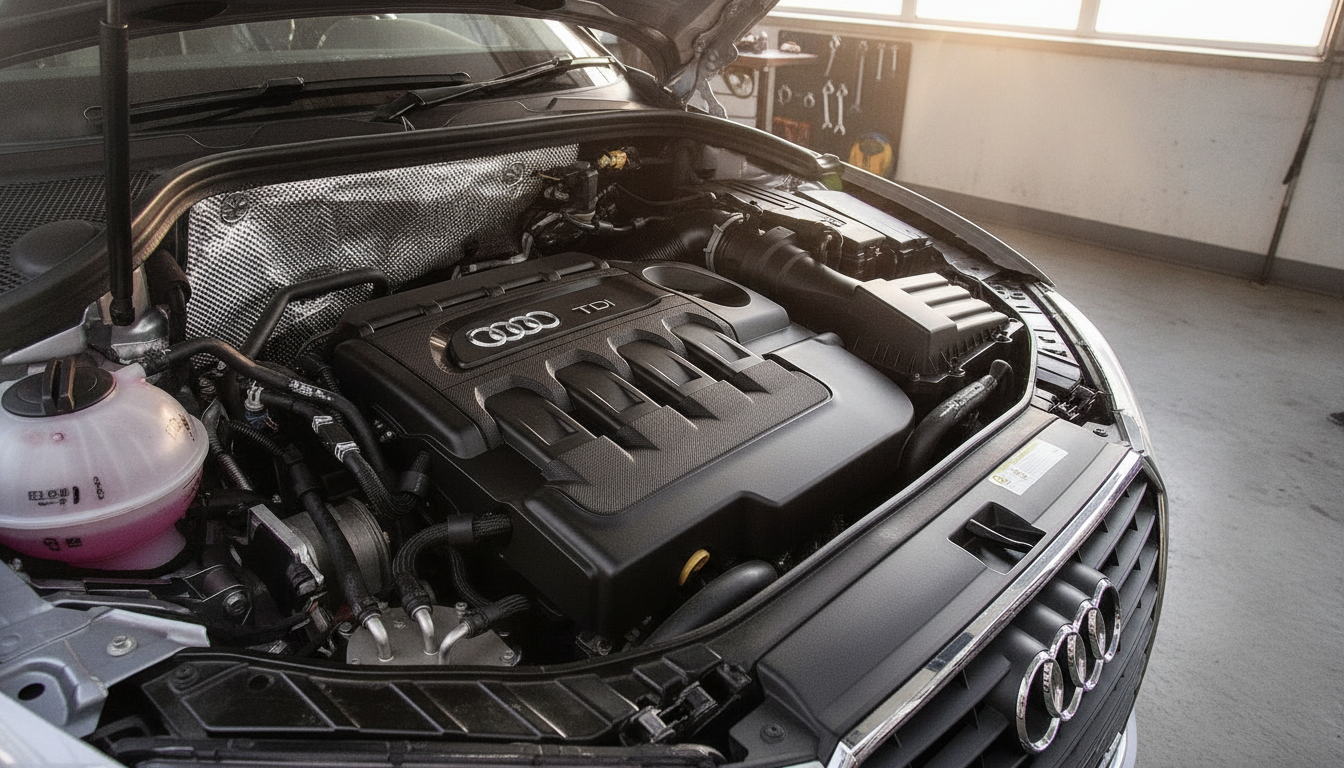
Third-Generation 2.0 TDI Diesel Engine: The EA288
According to Novyny.live: Volkswagen Group launched its third-generation 2.0 TDI diesel engine, coded EA288, back in 2012. This powertrain found its way into both Audi and VW models, offering a wide power range from 102 to 240 horsepower. The most common versions on the market produce 122, 150, 184, and 190 hp. An updated generation, the EA288 evo, arrived after 2018, building on the same core technology.
Design Features and Known Issues
The EA288’s design includes several standout characteristics. One key feature is its cooling system, which relies on two independent circuits to better manage engine temperatures. However, despite these advantages, the engine has some weak points that can affect long-term reliability.
Among the main problems reported with EA288 engines are:
- cooling system issues and coolant leaks;
- flaws in the SCR emissions system, which uses AdBlue urea injection—particularly crystallization problems;
- while the DPF (diesel particulate filter) works efficiently, its operation can still impact the overall user experience.
In short, the third-generation 2.0 TDI EA288 diesel engine comes with both strengths and weaknesses that buyers should consider. Its design features and potential problems are important factors when deciding whether to purchase a vehicle equipped with this engine.
Understanding the quirks and drawbacks of the EA288 is crucial for anyone planning to buy a car with this engine. Since diesel engines are often seen as more fuel-efficient and eco-friendly than gasoline alternatives, consumers must weigh potential maintenance costs and operational issues. Making an informed choice can greatly affect long-term satisfaction with the vehicle.
Read also
- Two Simple Ways to Turn an Old Wi-Fi Router Into a Signal Booster
- Why London Is Pouring £5 Billion Into Drones—and What It’s Learning from Ukraine
- Is the Mercedes-Benz E-Class W213 Still Worth Buying Used? A Look at the Legendary German Sedan
- Why SUVs Have Rear Wipers but Sedans Don’t: The Aerodynamic Explanation
- Stadler Nears Completion of FLIRT Intercity Production: Testing Set to Begin in 2026
- The 20-80% Charging Rule: Experts Reveal the Best Way to Extend Your Smartphone Battery Life