Poland switches to winter time: how this will affect passengers.

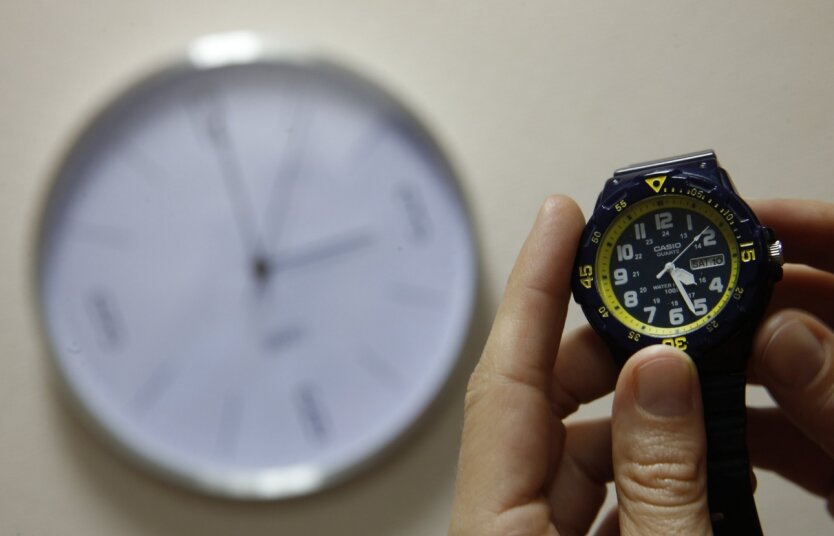
According to inkorr.com: On the night of October 25 to 26, Poland will switch to winter time again. Clocks need to be set back one hour at three in the morning.
According to Yavp.pl, passengers of night trains should pay special attention to this. Several railway routes will stop at the nearest stations for one hour to compensate for the time change. This will help maintain the arrival schedule at the final destinations without changes.
The attitude of Poles towards the abolition of time changes
Public opinion in Poland clearly expresses a position on this issue. Sociological studies by the Institute of Market and Social Research show that more than half of Poles - 57.5% - are firmly against time changes. Another 11% of respondents tend to be against such transitions rather than support them.
Only 4.7% of respondents expressed full support for changing the clocks. Additionally, 15.9% of Poles tend to favor maintaining the current system rather than abolishing it. Thus, only about 21% of the population supports the idea of continuing to change the clocks twice a year.
Most Poles who want to abolish these transitions prefer summer time. This aligns with scientific studies that explore the impact of time changes on the human body.
Professor Irena Iskra-Golec points out that seasonal clock changes negatively affect health due to disruption of the balance between solar, clock, and biological time. This is most felt during the spring transition to summer time.
Scientific evidence shows that the disparity between clock and biological time in the long term leads to a decrease in life expectancy. Moreover, it negatively affects productivity, deteriorates academic performance, and causes sleep problems.
Poles are against the transition to winter time and support the abolition of this practice, arguing that it negatively affects health and mental state. Polish scientists also note that such changes may lead to a reduction in life expectancy and disruptions in the functioning of the human body.
Read also
- New U.S. Tariffs Hit 60 Nations: Here Are the Rates for the EU and Russia
- Russia’s Oil and Gas Revenue Set to Surge by 60%—Here’s What’s Driving the Jump
- IMF Disburses $690 Million Second Tranche to Ukraine: Where the Funds Are Going
- Russia’s Budget Deficit Could Hit 7 Trillion Rubles—What Are the Default Risks?
- Expert Sets Critical Threshold: 60% of Russia's Oil Refining Capacity Must Be Destroyed
- Russia Faces Imminent Fuel Crisis: Why Refinery Recovery Is Nearly Impossible, Expert Warns