Poland to End Special Legal Status for Ukrainians in 2026.

Poland's Legal Shift for Ukrainian Residents
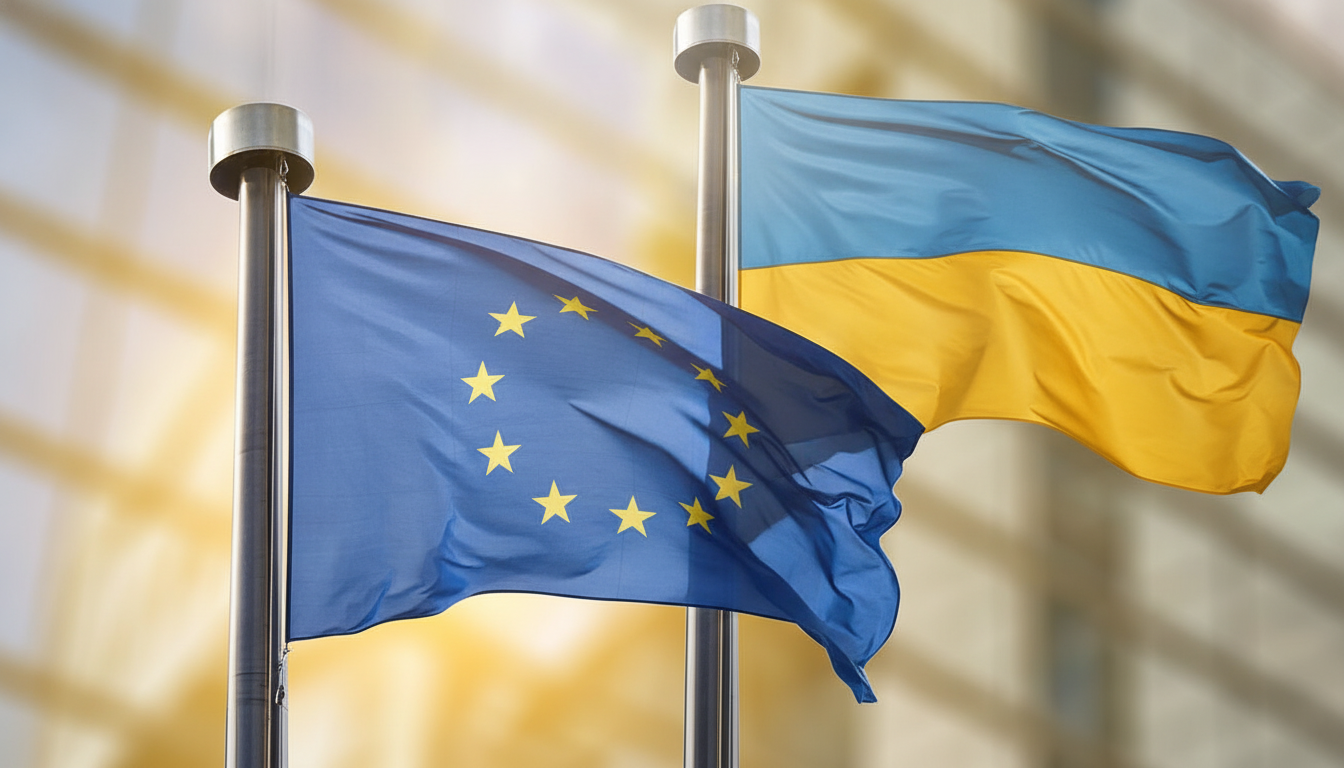
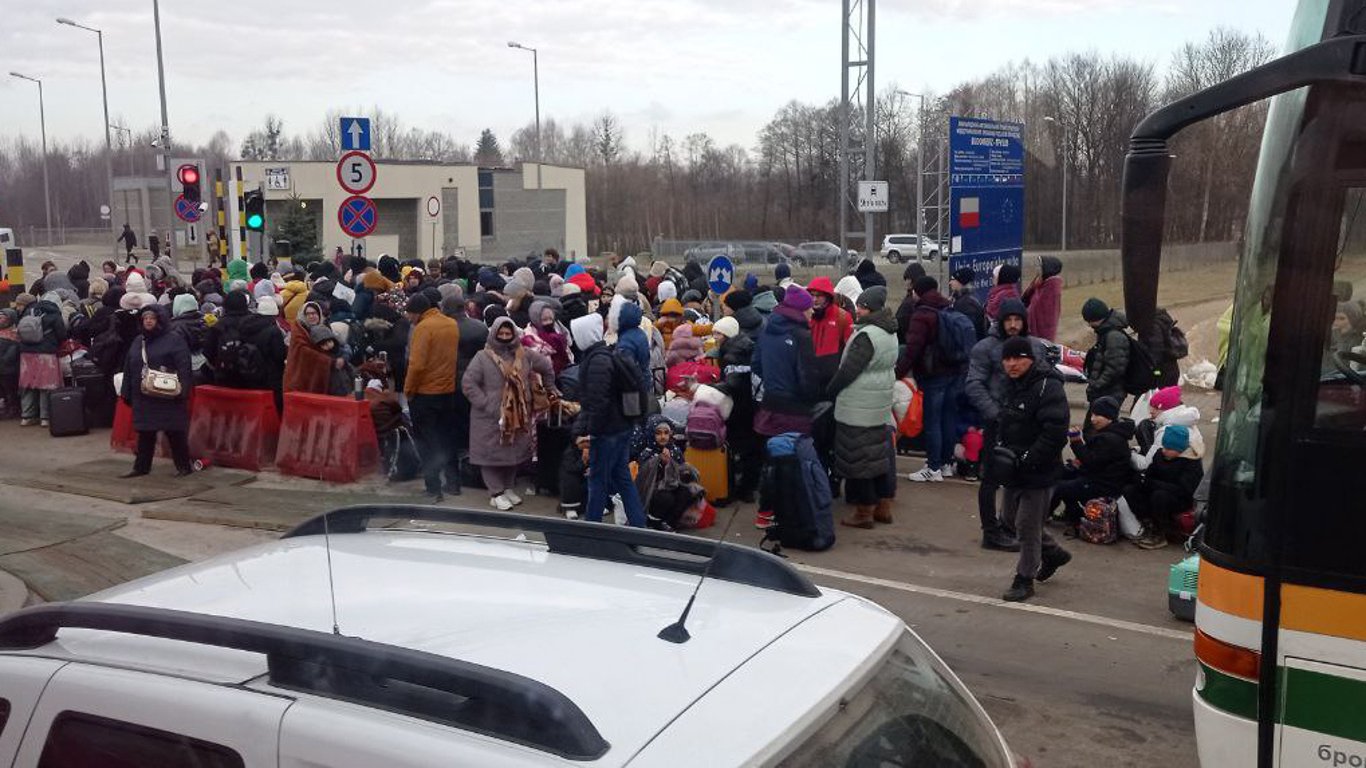
According to Novyny.live: President Karol Nawrocki of Poland has signed a new law that will terminate the special legal provisions for Ukrainian citizens on March 5, 2026. This legislation will place Ukrainians under the same general immigration rules that apply to all other foreigners. The move ends the unique privileges granted to Ukrainians since Russia's full-scale invasion in 2022, marking a significant policy shift.
While the special act is repealed in March 2026, the legal residency status for Ukrainians already in Poland will remain valid until March 4, 2027. Under the new system, to obtain a PESEL UKR identification number, Ukrainian nationals must submit their application within 30 days of entering the country.
Access to Social Benefits and Healthcare
Following the law's repeal, access to social welfare payments for Ukrainians will become contingent upon their integration into Polish society. Unemployed individuals will retain the right to medical care, but at the level provided to other jobless foreigners. Crucially, state assistance for accommodation and food will be restricted to vulnerable groups only, which will likely impact the ability of many to meet basic needs.
What are the practical implications? Ukrainians remaining in Poland will need to adapt to new regulations concerning their legal status, social benefits, and healthcare. These changes may cause concern as Ukrainians transition from a protected status to being subject to standard immigration conditions.
What should Ukrainians do next? It is vital to monitor application deadlines closely and prepare for adjustments in social security provisions. The new requirements for accessing social services could substantially affect daily life for the Ukrainian community in Poland.
The termination of the special law signals a change in Poland's approach to foreigners, particularly Ukrainians on its territory. This may reflect broader socio-economic shifts within the country and the necessity of adapting to new realities, especially in light of increasing refugee and migrant numbers across Europe.
Read also
- Foreigners in Russia Now Required to Keep Location Tracking On—Here Are the Penalties for Non-Compliance
- Lithuania and Latvia Join Forces Against Illegal Migration: A New Crackdown on Human Smugglers
- EU Commissioner Urges Germany to End Internal Border Checks
- EU Extends Temporary Protection for Ukrainians Until 2028
- EU Extends Protection for Ukrainians Until 2028: What You Need to Qualify
- Poland Says Young Ukrainians Must Defend Their Homeland: What This Means for Refugee Status