Avoiding Pepper Planting Pitfalls: Why Seeds Fail and How to Ensure Success.

Preparing for Sweet Pepper Sowing
According to TSN.ua: Achieving a high-yield harvest of sweet peppers begins with meticulous preparation. This crucial stage involves several key factors, including:
- Soil quality
- Sowing methods
- Seed planting depth
- Moisture levels
- Temperature control
Adhering to these guidelines helps establish the optimal conditions for plant development.
Essential Preparation Factors
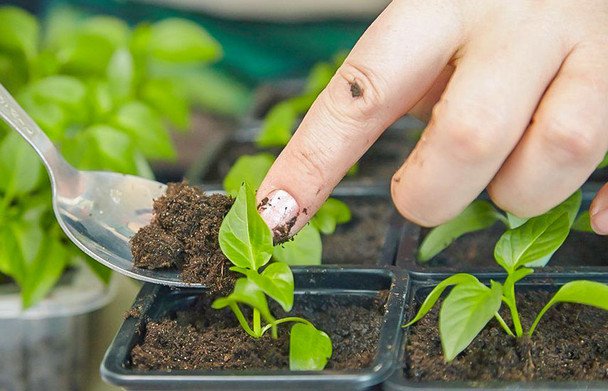
The quality and structure of the soil are critical for successfully cultivating sweet peppers. Proper soil preparation is vital as it directly impacts the plants' subsequent growth. Sowing methods can vary, with options including trays or plug trays. The plug tray method, in particular, offers the advantage of preventing root damage during transplantation, which benefits overall plant health.
Seed planting depth is another critical factor. The optimal depth for sowing sweet pepper seeds is 0.6 cm. Planting seeds at a depth of 1.5-2 cm will result in delayed and uneven germination, which can negatively affect the overall harvest. Soil moisture is a crucial consideration, as peppers are a moisture-loving crop. Even brief drying can halt seed germination, so maintaining proper watering is essential.
Soil temperature is also paramount for successful sowing. Air temperature can be higher than soil temperature, which may influence the germination process. Ensuring an optimal temperature promotes faster and more uniform seedling emergence.
Considering these aspects of sweet pepper sowing preparation will help agronomists and gardeners ensure a successful start for the future crop. Correct sowing conditions are the foundation for healthy plant growth and development, which in turn influences the quality and quantity of the harvest.
Sweet pepper is a staple vegetable in many cuisines, making its cultivation significant for both home gardeners and the agricultural sector. Successful cultivation of this crop impacts not only food supply but also the economic well-being of regions where it is grown on a large scale. Following these recommendations allows growers to optimize cultivation processes, potentially leading to increased production and improved product quality.
Read also
- 30-Minute Baked Zucchini: A Simple Recipe from 'Kitchen with Marina'
- A Quick and Easy Salad with Young Cabbage and Radishes for Lunch or Dinner
- Jeans That Secretly Make You Look Heavier: Who Should Avoid Them
- 30-Minute Potato Dough Pies with Cheese and Ham: A Quick Family Recipe
- Chocolate Cake with Nut Caramel: A Recipe from Gospodynka
- 5 Key Composting Mistakes That Prevent Decomposition and How to Fix Them