Pound Sterling Falls to a Minimum: What Does This Mean for Ukrainians.

Sharp Decline of the Pound Sterling
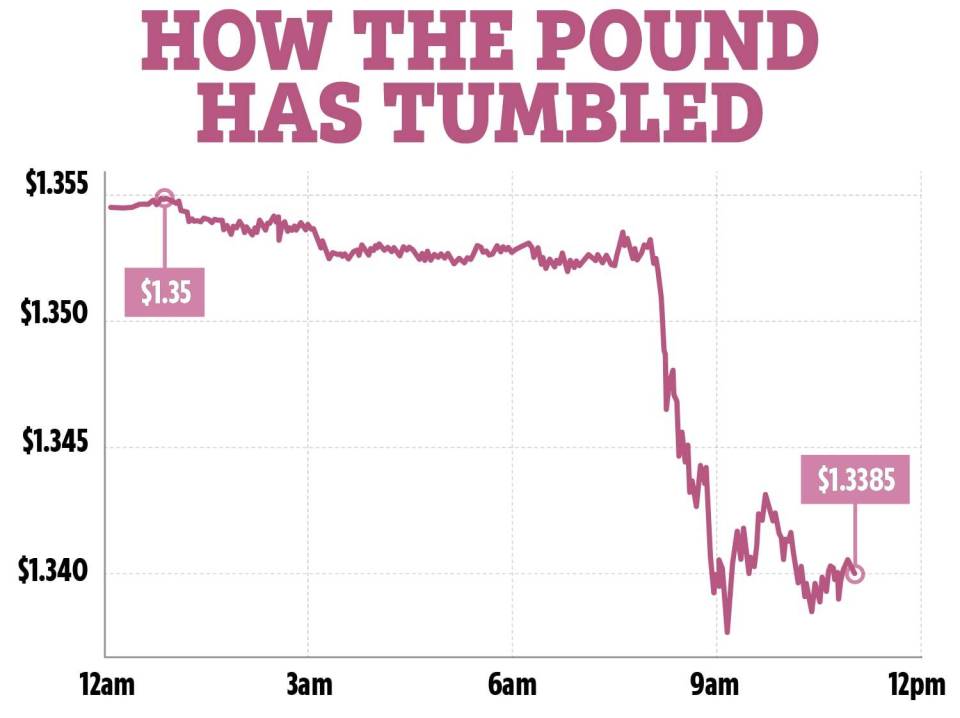
According to The Sun: Today, the pound sterling sharply fell, dropping more than 1% against the US dollar to $1.33 and by 0.7% against the euro to €0.8698.
This has led to the worst performance among G10 currencies and indicates growing investor concerns about the economic stability of the United Kingdom, as government borrowing costs have reached levels not seen since 1998.
Pound on Track for Largest One-Day Drop Since JuneThe decline in the value of the pound is closely linked to rising yields on government bonds known as gilts.
When the government needs funds, it issues bonds, for which investors receive interest, known as yield.
Currently, these yields are increasing, making borrowing more difficult for the government.
The yield on 30-year gilts has reached 5.69%, the highest level in nearly 30 years, while 10-year gilts have risen to 4.79%.
Usually, higher yields make these bonds more attractive to investors, which should have strengthened the pound. However, this did not happen.
Rather than strengthening confidence, rising yields are causing investor concerns about the economic stability of the United Kingdom.
They fear that the government may face financial difficulties and worry that the country is heading towards “stagflation” - a troubling combination of slow economic growth and high inflation.
Decreased Investor Appeal
These concerns make the UK a less attractive place for investment.
As a result, investors are selling pounds instead of buying them, further lowering its value.
This week, gilt sales reflect a broader trend in global bond markets, where debt levels are facing criticism.
However, the UK's problems seem particularly severe.
Investors are concerned about the finances of the Labour Party government as Chancellor Rachel Reeves prepares to present the autumn budget.
She needs to address a substantial budget deficit of £51 billion, and speculation regarding potential tax increases and spending cuts is only growing.
The rising cost of borrowing complicates these challenges, as servicing existing debt becomes more expensive.
Prime Minister Sir Keir Starmer has also reshuffled his team in an effort to boost confidence in his government ahead of a challenging end to the year.
Darren Jones, previously Reeves' deputy at the Treasury, has been promoted to Chief Secretary to the Treasury, while James Murray has taken over his previous position.
“The market movement is a sign that investors do not believe that the Treasury will adhere to its strict borrowing rules,” said Neil Wilson, UK Investment Strategist at Saxo Markets.
“30-year gilt yields at the highest level in nearly three decades is not a good look for the Labour government and highlights that there’s little financial or economic confidence left.”
“The pound is experiencing its worst day in nearly three months. This is a new economic disaster from Rachel Reeves - and a clear signal of market distrust towards the Labour Party.”
What Are the Financial Consequences?
The drop in the value of the pound sterling is bad news for tourists, who will receive less money when exchanging currency.
If the pound's exchange rate to the dollar is $1.35/£1, then exchanging £100 will get you $135. If the rate drops to $1.33/£1, you will only receive $133 for the same £100.
This means buying anything abroad becomes more expensive, which may affect your vacation spending.
There are several ways to make your currency more favorable.
Ordering cash online in advance can help you avoid exchanging at the airport, where rates are usually much worse.
TravelMoneyMax at moneysavingexpert.com can help compare rates of different exchangers.
Foreign spending cards also reduce the need to carry large amounts of cash.
A weak pound may also affect the value of your pension or investments, as owning shares in foreign companies is subject to currency changes.
If you notice a drop in the value of your investments, it’s best not to panic and rush to sell them.
What Are Gilts?
Government bonds or gilts are considered an indicator of global investors' views on the UK's economy and its government.
They also shape investor opinions on the success or failure of the budget.
Gilts are issued by the government as debt packages, providing returns to investors over a specified term, such as five, ten, or thirty years.
Yield reflects the amount of interest paid and increases when the price of the bond falls, compensating the investor's risks.
Yields increase when the price of the bond falls, as investors seek higher returns for riskier assets.
This development in the currency market indicates significant economic challenges facing the United Kingdom. In times of heightened volatility, it is crucial to monitor the government’s further actions and the response of investors, which could significantly impact the economic situation in the country. It appears that currency stability will remain in question until effective solutions are found for existing financial problems.
Read also
- Facing Diesel Shortages, Russia Bans Exports and Turns to Imports for the First Time
- Kyrgyzstan Scrambles for Fuel as China and Belarus Step In to Replace Russia
- UDP Leadership Accused of Asset Theft: Losses Hit $7 Million
- Russia Faces Fuel Crisis: Putin Admits Shortages as Moscow Prepares to Import Petroleum Products
- Half a Million Bankruptcies in One Year: Russia’s Economy on the Brink of Collapse
- Defense Forces Strike Halts Key Russian Refineries: Fuel Shortage Expected to Hit 30,000 Tons