Military Draft Deferrals for Essential Enterprise Staff Upheld: Recruitment Centers Cannot Revoke Them.

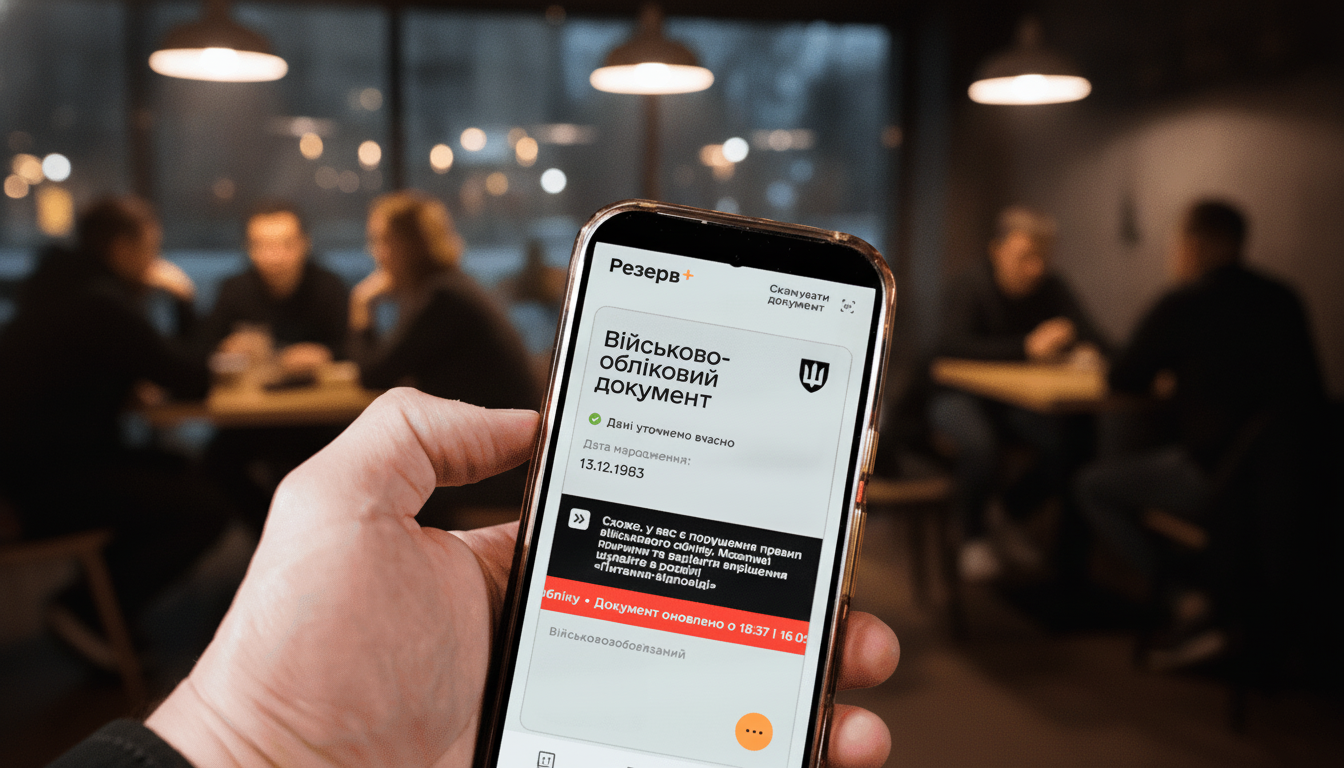
Draft Deferrals for Employees of Critical Enterprises
According to Novyny.live: Employees working for enterprises deemed critical are entitled to draft deferrals that territorial recruitment centers have no authority to cancel. This protection applies to all staff members at such organizations, ensuring their continued employment during wartime. Vladyslav Deriy stated that
“this situation will not affect the deferral process”, emphasizing the mechanism's role in safeguarding vital industries.
It is important to note that the percentage of employees eligible for deferral depends on the enterprise's classification of criticality. For instance, some companies can secure deferrals for 100% of their workforce, while others may only cover half. This approach helps maintain a balance between business needs and mobilization requirements. As Violeta Monastyrska pointed out,
“there are no circumstances under which a territorial recruitment center can revoke a deferral”.
Deferral Process and Its Implications
The deferral process operates outside the jurisdiction of territorial recruitment centers, offering an additional layer of security for employees. Filing a complaint with the police will not void a deferral—an important detail for those facing issues due to updated legal requirements. Deriy also addressed the 'wanted' status, noting that 'the situation is indeed unpleasant, but it is quite typical under the revised legislation and the operational algorithms of the 'Oberih' registry.'
To be removed from military registration on health grounds, an active deferral must be canceled first, highlighting the need for careful management of this process. In summary, draft deferrals for employees of critical enterprises serve as a vital tool for maintaining national stability during wartime, protecting key economic sectors.
This news underscores the importance of supporting critical enterprises during armed conflict, as their stability is essential for the country's economic security. Deferring employees helps preserve jobs and prevent adverse effects on industries that sustain the state. Amid evolving legislation and the military situation, managing the deferral process requires clear procedures and transparent mechanisms, which in turn will enhance protection for both workers and businesses.
Read also
- First foreign guest for Britain's new Prime Minister Andy Burnham: Zelenskyy visits UK
- Civilian Ship Attacks Prompt UN Security Council Meeting; Top Ukrainian Diplomat Calls for Strong Reaction
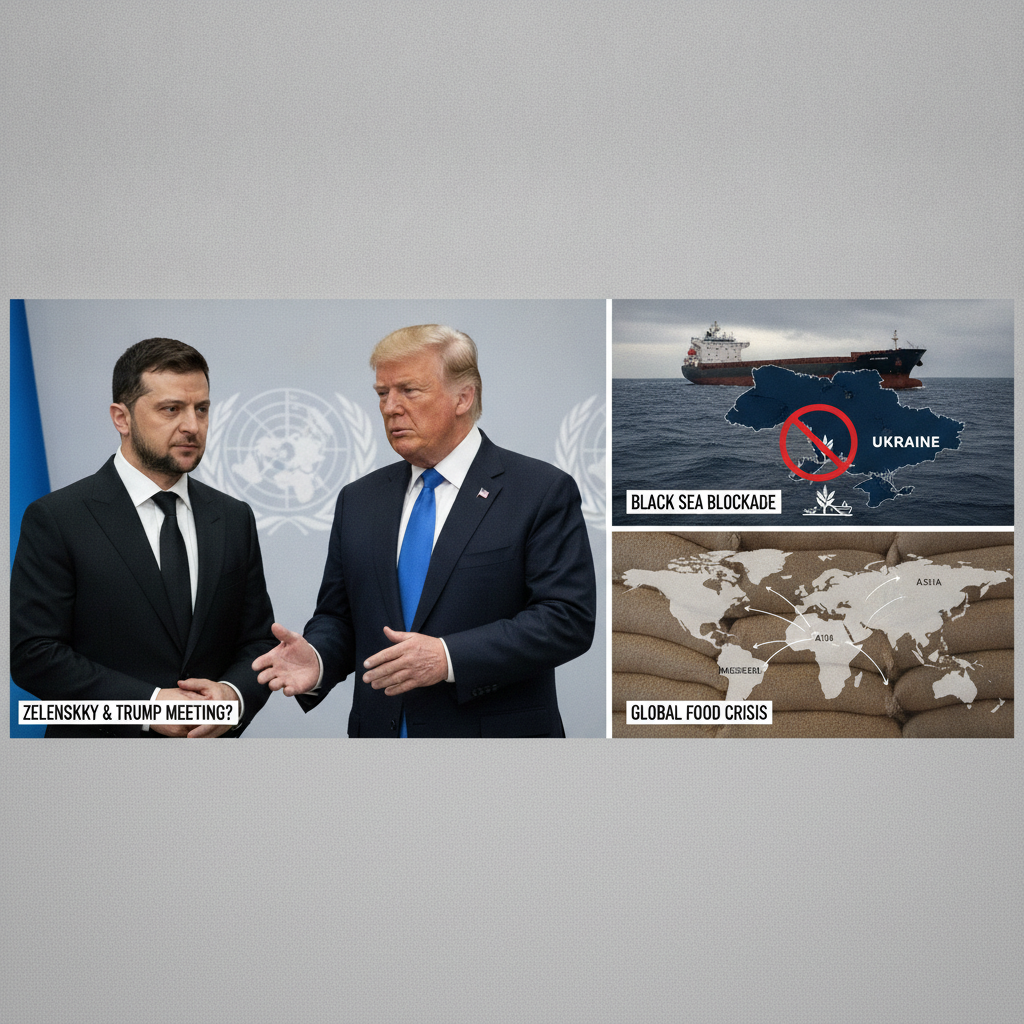
- Blocking the Black Sea for Russia: The Key Issue for Zelenskyy and Trump’s Upcoming Talks
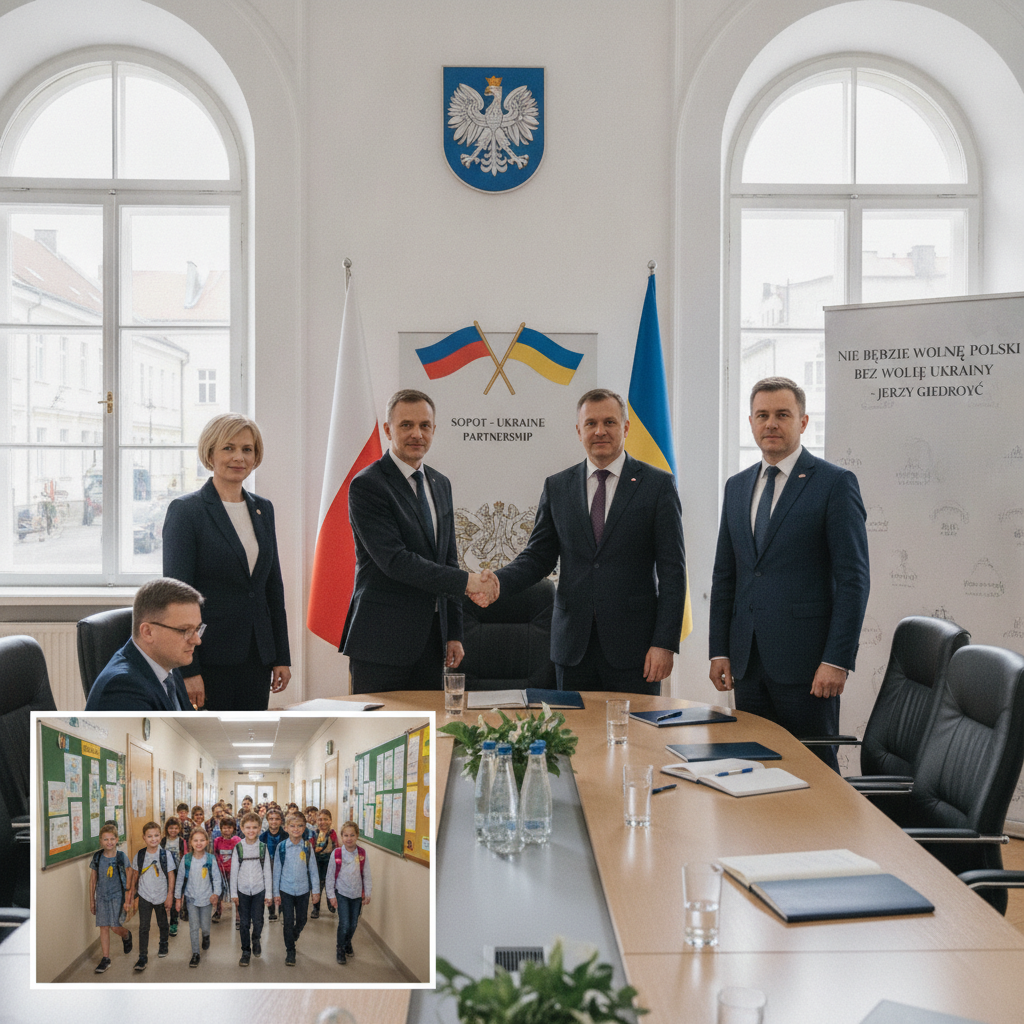
- Sopot Becomes First Polish City to Officially Condemn Anti-Ukrainian Sentiment with Landmark Council Resolution
- New Civil Defense Protocols from Russia’s Rosgvardiya: Mobilization and Wartime Safeguards Added for the First Time
- Russia Counts 20 Friendly African States, but Just 8 Support Ukraine