Winter Tires Lose Strength: How to Avoid Damage Before 300 km.

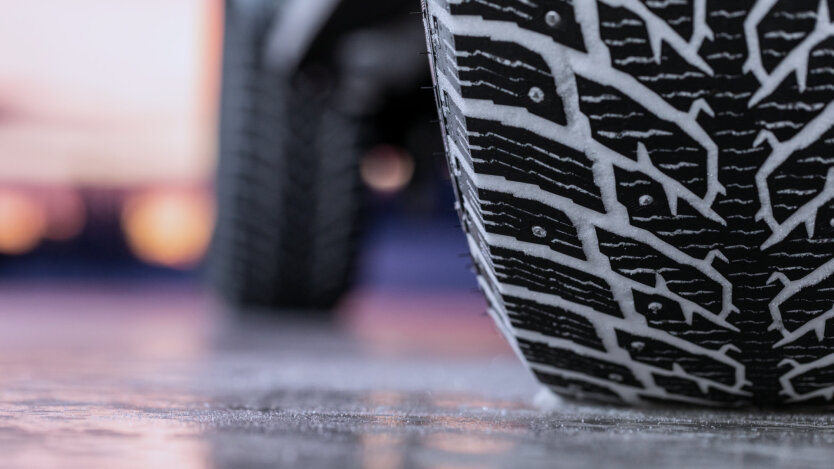
According to inkorr.com: As the cold weather arrives, Ukrainian drivers begin to prepare their cars for the winter season. This includes changing tires, checking batteries, and cooling systems. However, the operating and storage conditions of winter tires significantly affect their lifespan. Experts emphasize that following a few simple recommendations can help extend tire life and ensure safety on the roads.
How to Take Care of Winter Tires?
Winter tires are designed for a mileage of approximately 30,000 kilometers. However, adhering to operating rules from the first kilometers is extremely important. The initial 'break-in' can significantly affect tire lifespan, avoiding uneven tread wear and improving grip on the road.
In the first 200–300 kilometers, new tires are covered with a technical layer that needs to be gradually worn off. Sudden accelerations, braking, or driving at high speeds during this period are undesirable.
It's also important to pay attention to driving style. Winter tires require a smooth and cautious approach since they wear out faster on dry asphalt. Frequent skidding and sharp turns can shorten tire lifespan. Calm driving helps avoid excessive strain and maintain the rubber's elasticity.
Additional Useful Tips
Tire pressure also plays a crucial role, especially in cold weather when it decreases. Incorrect pressure can reduce vehicle handling and accelerate rubber wear. Proper offseason tire storage is also important to avoid deformation.
If the thermometer shows -20°C, the pressure difference can reach half an atmosphere. Therefore, it is recommended to check tire pressure regularly, at least twice a month.
By following these recommendations, you can not only extend the lifespan of your tires but also enhance safety on the road, ensuring stable grip on the asphalt in any weather conditions.
These simple tips will help drivers prepare their cars for the winter period, keeping tires in good condition and increasing safety on the roads. This will also reduce the risk of accidents that may occur due to careless attitudes toward the vehicle's technical condition.
Read also
- New U.S. Tariffs Hit 60 Nations: Here Are the Rates for the EU and Russia
- Russia’s Oil and Gas Revenue Set to Surge by 60%—Here’s What’s Driving the Jump
- IMF Disburses $690 Million Second Tranche to Ukraine: Where the Funds Are Going
- Russia’s Budget Deficit Could Hit 7 Trillion Rubles—What Are the Default Risks?
- Expert Sets Critical Threshold: 60% of Russia's Oil Refining Capacity Must Be Destroyed
- Russia Faces Imminent Fuel Crisis: Why Refinery Recovery Is Nearly Impossible, Expert Warns