Transnistria Faces Its Worst Economic Collapse in a Quarter Century.

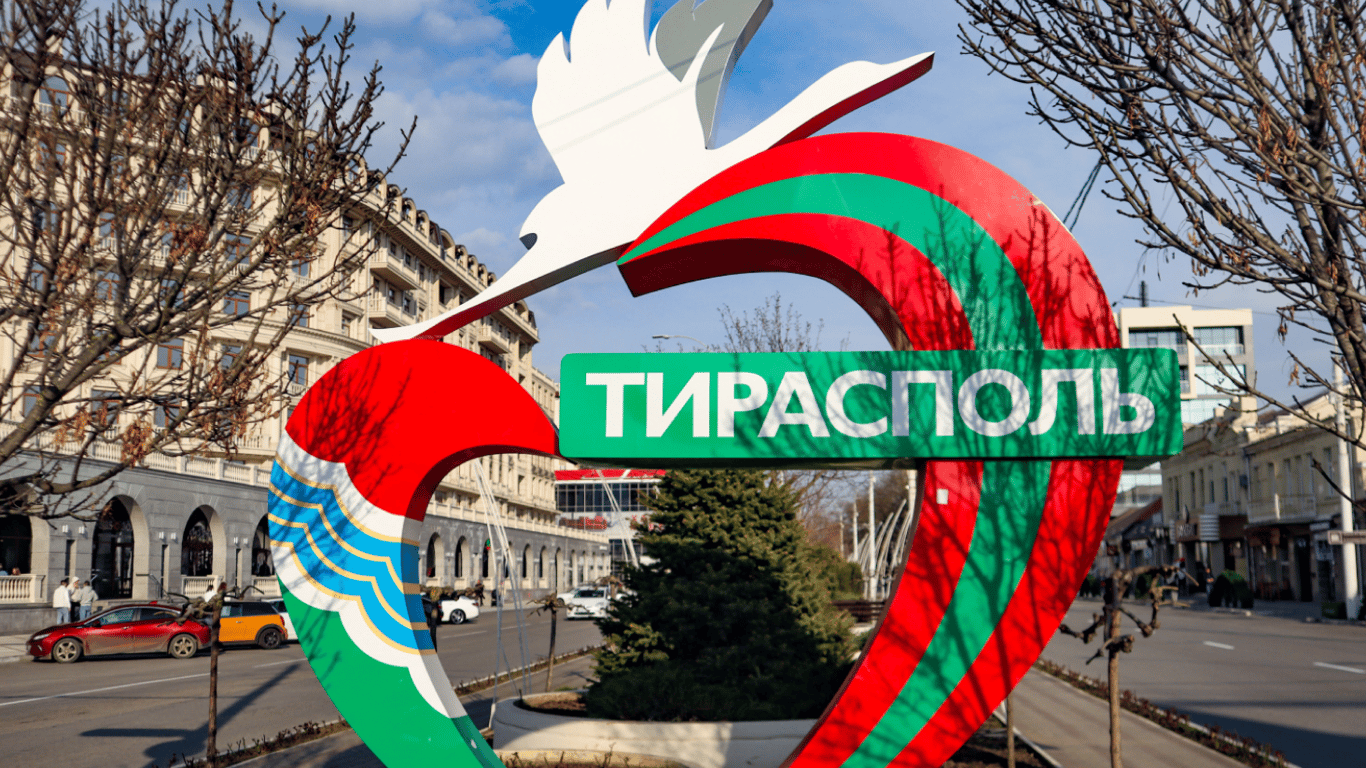
Transnistria's Deepest Economic Crisis in 25 Years
According to Novyny.live: The breakaway region of Transnistria is experiencing its most severe economic downturn in a quarter of a century. Per capita GDP on the left bank of the Dniester River has plummeted to approximately $3,800, starkly contrasting with the $8,400 figure recorded on the right bank. The left bank's economy contracted by at least 18% over the year, marking the worst performance in 25 years.
Industrial output in 2025 fell by more than 30%, highlighting profound difficulties within the region's manufacturing sector. The wage situation is critical: the average monthly salary is about 7,800 Transnistrian rubles, while the average pension falls short of 1,900 rubles. Compounding these hardships, inflation on the left bank reached nearly 15% in 2025, further eroding living standards for the local population.
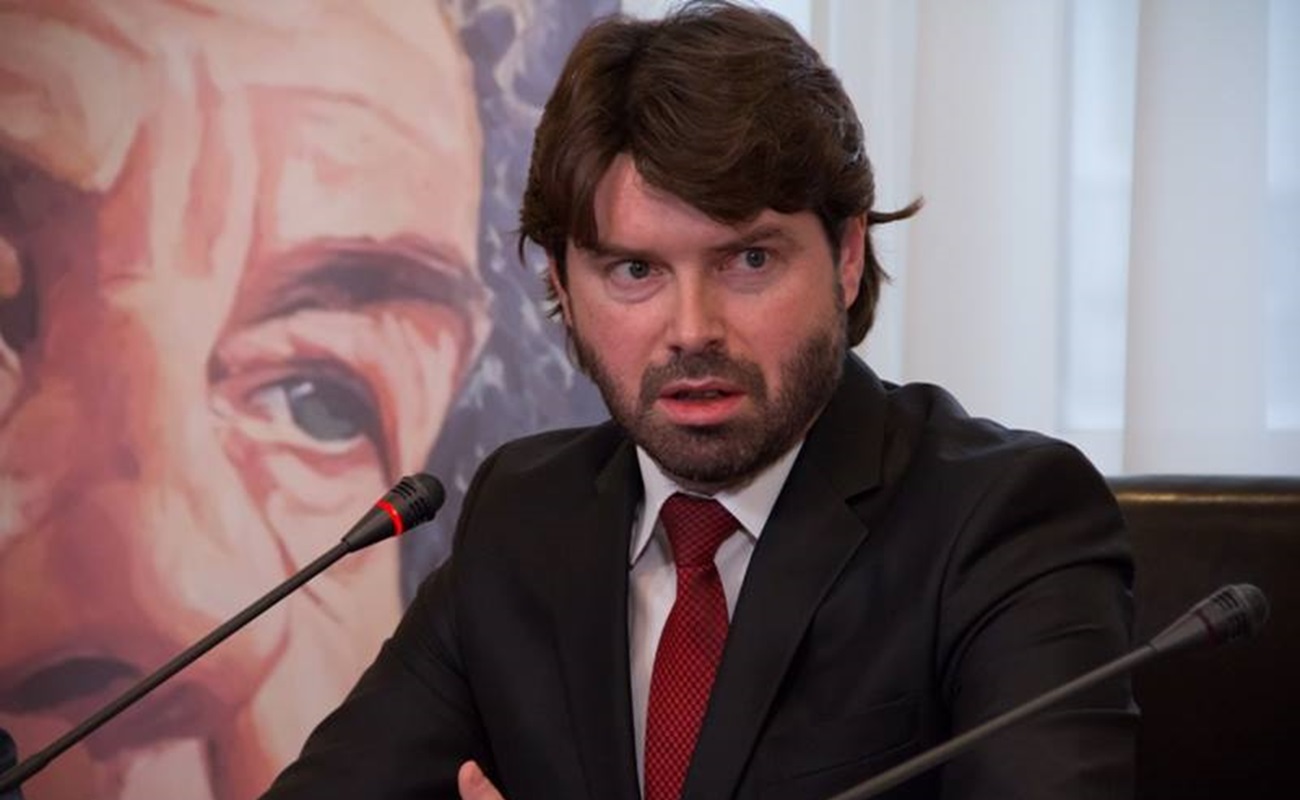
“The economic gap between the two banks has widened to more than double. Overall, the left bank's economy shrank by at least 18% in a year—the worst figure in 25 years.”
Vyacheslav Ionitsa, Economic Expert
He further emphasized that “in 2025, the left bank of the Dniester entered its deepest economic and social crisis in the last 25 years. Industry has virtually collapsed, GDP has sharply declined, exports are at a minimum, and the population's standard of living is worse than it was a decade ago.”
The region's exports dropped to $436 million, confirming the high level of economic distress. This situation underscores a severe economic crisis requiring urgent intervention to improve living conditions and restore stability in Transnistria. The region, unrecognized internationally, remains heavily dependent on external support and trade.
The Critical Need for Regional Stability
This economic crisis in Transnistria underscores the broader importance of regional stability, as mounting social pressures could lead to further political and social challenges. The situation demands attention from international bodies and governments to prevent further destabilization, which could impact neighboring countries and the wider region. Restoring the economy and improving the population's welfare remain paramount tasks for local authorities.
Read also
- Russia’s Oil and Gas Revenue Set to Surge by 60%—Here’s What’s Driving the Jump
- IMF Disburses $690 Million Second Tranche to Ukraine: Where the Funds Are Going
- Russia’s Budget Deficit Could Hit 7 Trillion Rubles—What Are the Default Risks?
- Expert Sets Critical Threshold: 60% of Russia's Oil Refining Capacity Must Be Destroyed
- Russia Faces Imminent Fuel Crisis: Why Refinery Recovery Is Nearly Impossible, Expert Warns
- Economist identifies Russia's point of no return: why it can never reclaim its place among global economic leaders