A Revolutionary Soil-Free Method for Sprouting Seeds in Just 10 Hours.

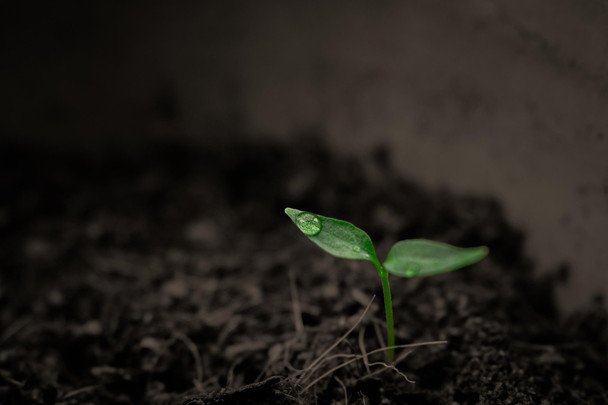
The Rapid Seed Germination Technique
According to TSN.ua: This innovative germination technique can produce the first sprouts in a mere 10 hours, completely without the need for soil. It is gaining significant traction among gardeners for its speed and versatility, working effectively with a variety of vegetables like tomatoes, peppers, and peas.
How the Germination Process Works
The method hinges on gently damaging the seed's outer shell to accelerate growth. To perform the procedure, you will need a few simple items:
- A pair of small scissors
- Cotton pads
- A plastic bag
- Two containers—one with hot water and one with very cold water
Maintaining an ambient temperature of around 24–25 °C (75–77 °F) is ideal, as it activates the seed's internal biological processes.
The steps for sprouting the seeds are straightforward:
- Carefully snip off the seed's pointed tip;
- Wrap the seed in a moist cotton pad;
- Briefly dip the pad into the hot water for about 3 seconds;
- Transfer it to the cold water for 5 seconds;
- Repeat this hot-and-cold cycle several times;
- Place the damp pad in a small container, cover it with the plastic bag, and set it in a warm, dark location.
This process enables gardeners to see the first sprouts appear in record time, making it an attractive option for anyone eager to grow their own plants quickly. This technique is particularly useful for starting seeds indoors before the growing season.
This rapid germination method has the potential to transform gardening practices, especially where time or resources are limited. Its growing popularity may reflect a shift in consumer habits toward seeking efficient, home-based food production solutions.
Given the increasing interest in organic farming and homegrown produce, new technologies that support horticultural development could have a substantial impact on the broader agricultural sector.
Read also
- 30-Minute Baked Zucchini: A Simple Recipe from 'Kitchen with Marina'
- A Quick and Easy Salad with Young Cabbage and Radishes for Lunch or Dinner
- Jeans That Secretly Make You Look Heavier: Who Should Avoid Them
- 30-Minute Potato Dough Pies with Cheese and Ham: A Quick Family Recipe
- Chocolate Cake with Nut Caramel: A Recipe from Gospodynka
- 5 Key Composting Mistakes That Prevent Decomposition and How to Fix Them