Putin Acknowledges Ukrainian Strikes on Oil Refineries as Russian Gasoline Output Plummets.

Russia's Energy Sector Under Pressure
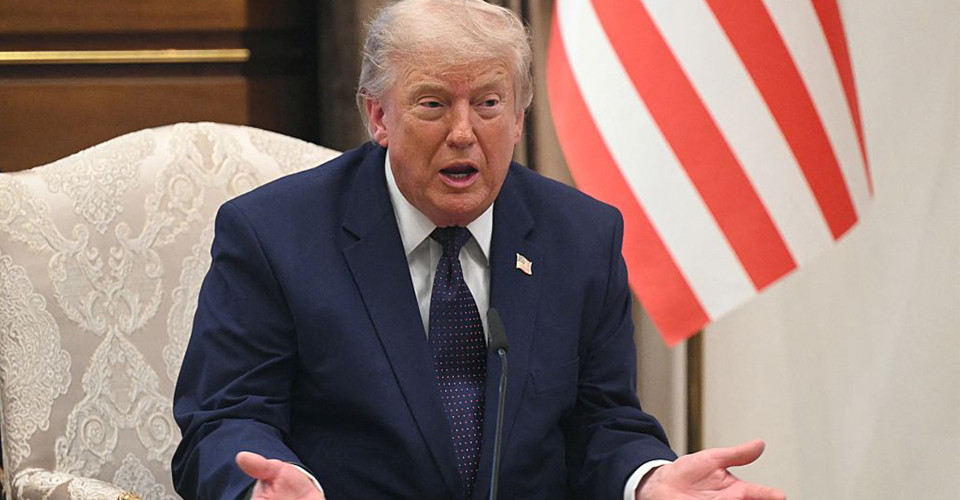
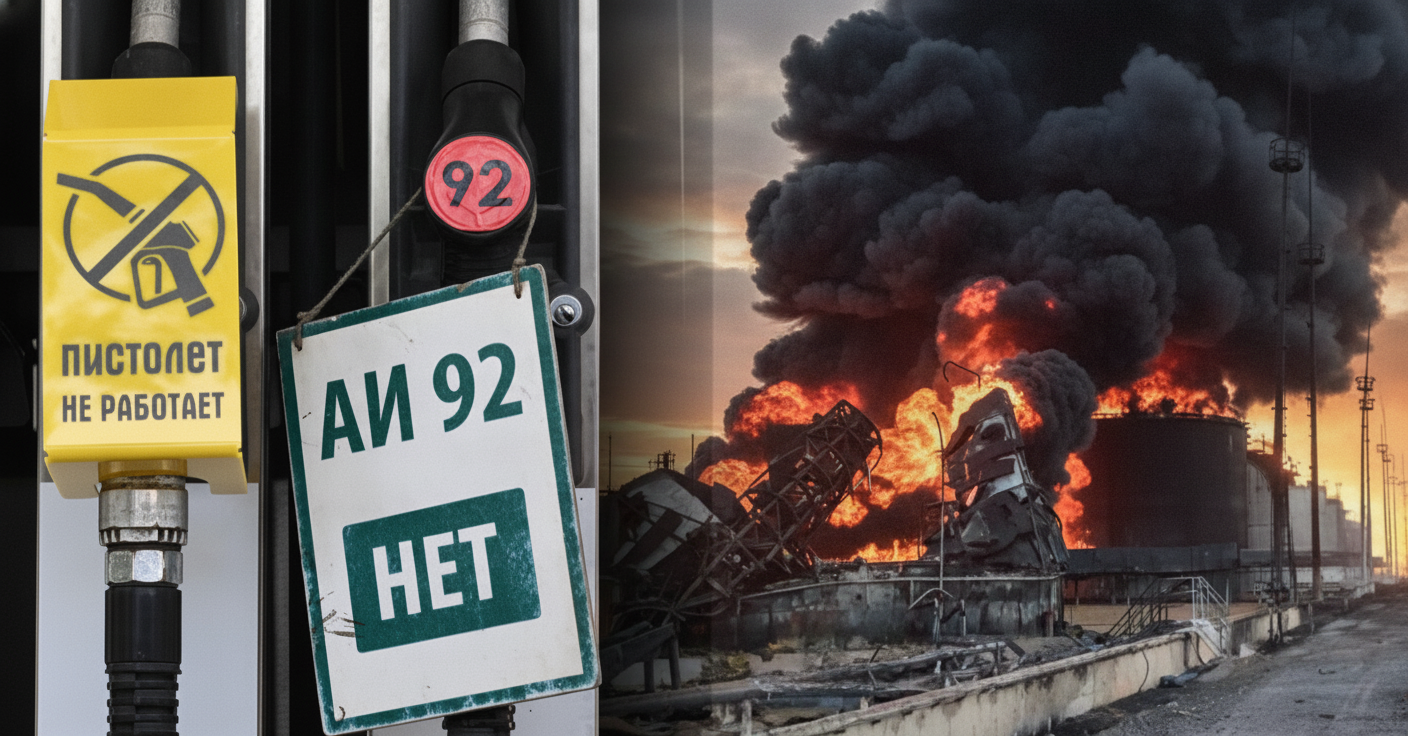
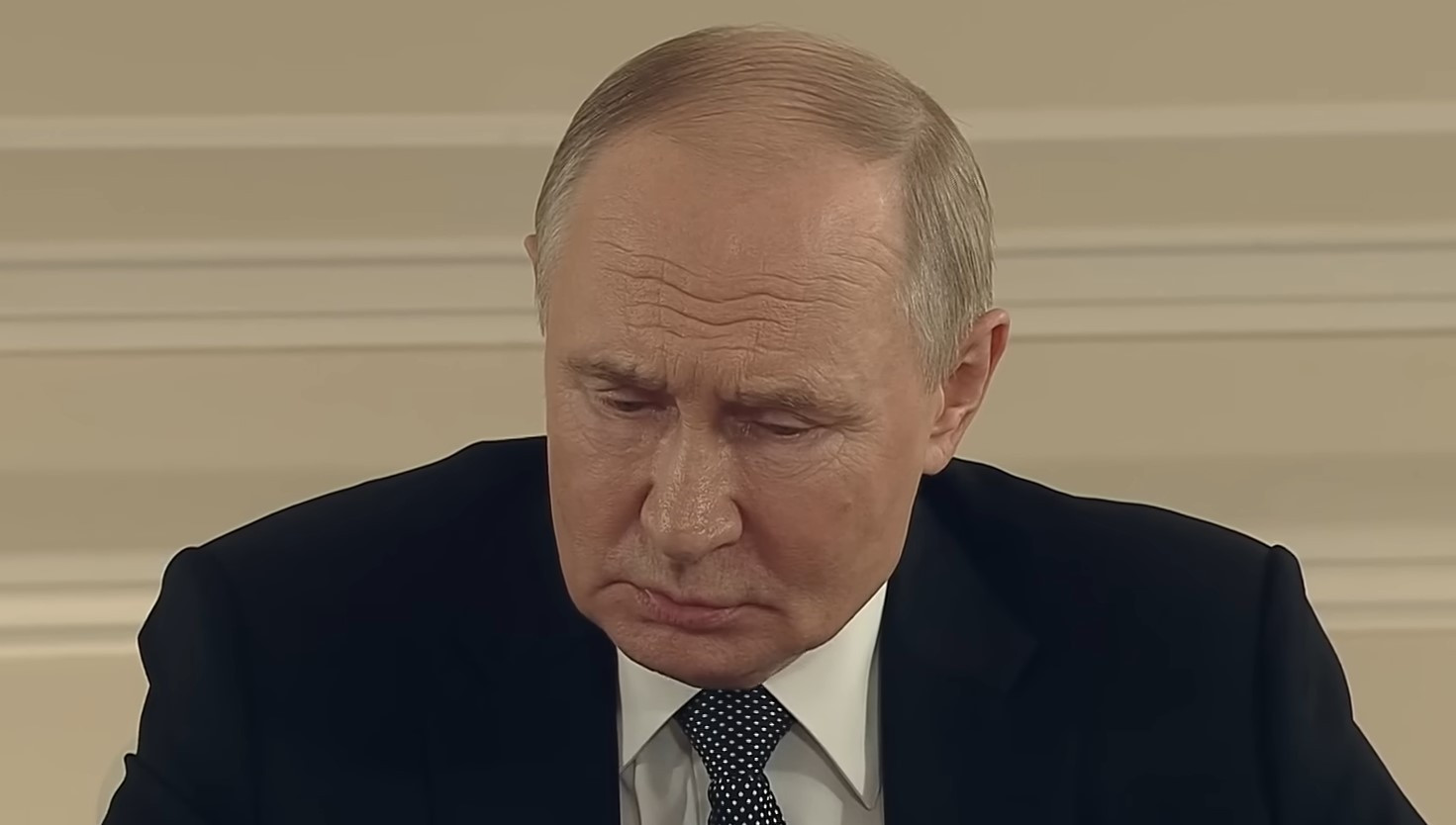
According to Espreso.tv: During a meeting with energy company executives, Vladimir Putin conceded that Ukraine's attacks on Russian fuel infrastructure have been effective. He directed the government to develop measures aimed at stabilizing the fuel market. Putin noted that the country's largest refineries are already operating at full capacity, underscoring the strain on the energy sector.
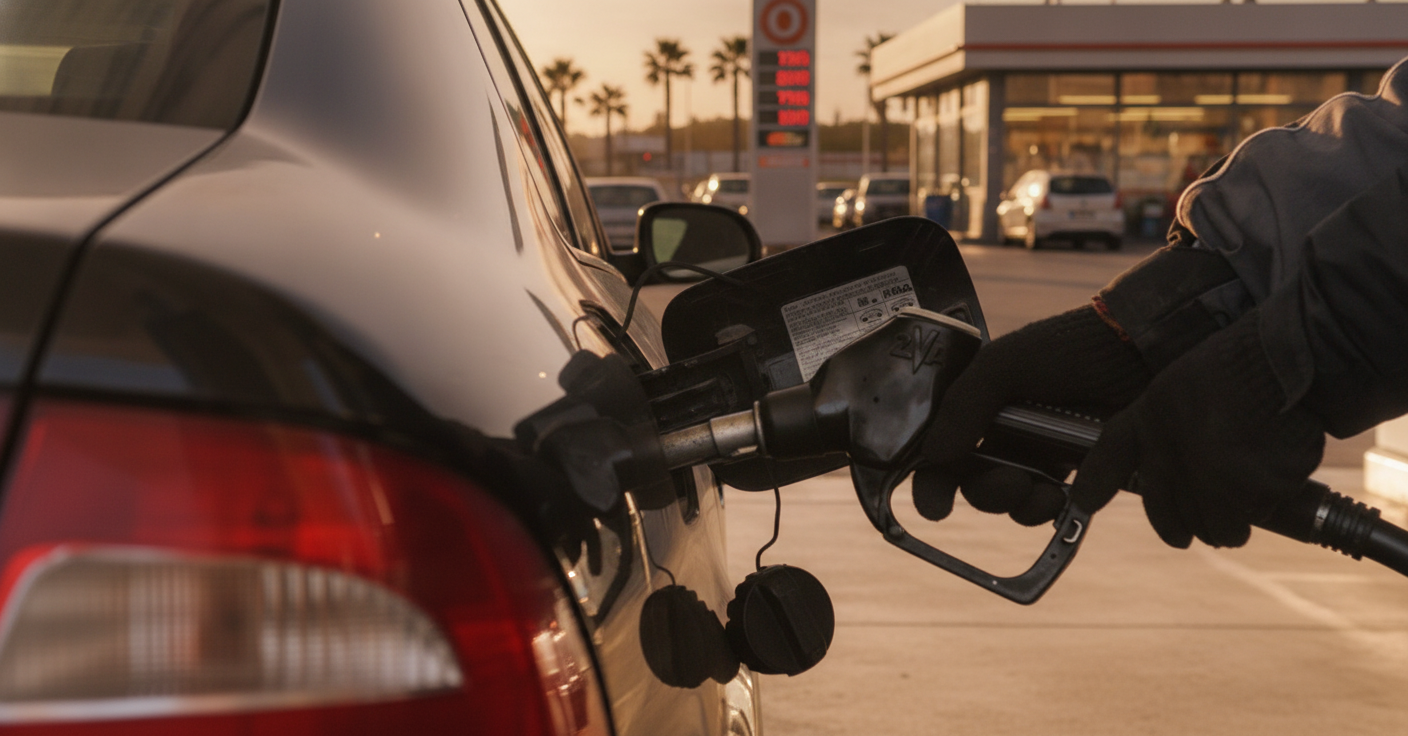
Russia's military spending for the first four months of 2026 reached 5.9 trillion rubles. By June 18, 2026, the government was forced to increase war-related expenditures by 40% above the original budget. Additionally, on June 23, 2026, Russia boosted its pipeline oil exports by 22% compared to the previous month. Despite these efforts, gasoline production in Russia has fallen 25% year-on-year since June 2026.
Russia's Response to the Crisis
In reaction to the worsening situation, Russia imposed a ban on gasoline exports through the end of July 2026. Furthermore, from June 1 to November 30, 2026, the export of aviation kerosene has been prohibited. Data indicates that since the start of 2026, Russia has lost at least $7 billion due to strikes on its refining infrastructure.
Putin stressed the need to "minimize the consequences of the strikes" and ensure an uninterrupted fuel supply for the agricultural sector.
Russia's energy sector remains in a precarious state, and the government's next moves could significantly affect domestic fuel market stability. The export bans on gasoline and aviation fuel highlight the serious challenges Moscow faces amid the ongoing war. Ukraine's successful attacks on energy infrastructure expose the vulnerability of Russia's oil industry, potentially leading to long-term economic repercussions.
Read also
- Russia Planning a New Fall Mobilization: When Recruits Could Reach the Front Lines
- Feigin Reveals Putin's Litmus Test: When Mobilization Plans Will Become Clear
- Putin Now Acknowledges Ukraine's Strength, Says Former Polish Defense Minister, Marking a Turning Point in the War
- Feigin Reveals Who Arranged Melnychenko's Interview and Why Russian Oligarchs Are Fleeing
- Putin’s Approval Rating Plunges to 66% as Russia’s Fuel Crisis Worsens
- Why Russia Sees Turkey as a Viable Negotiation Hub: Three Key Reasons