Putin Claims Russia’s Economy Is Stable, Yet Investment Has Plunged by 15%.

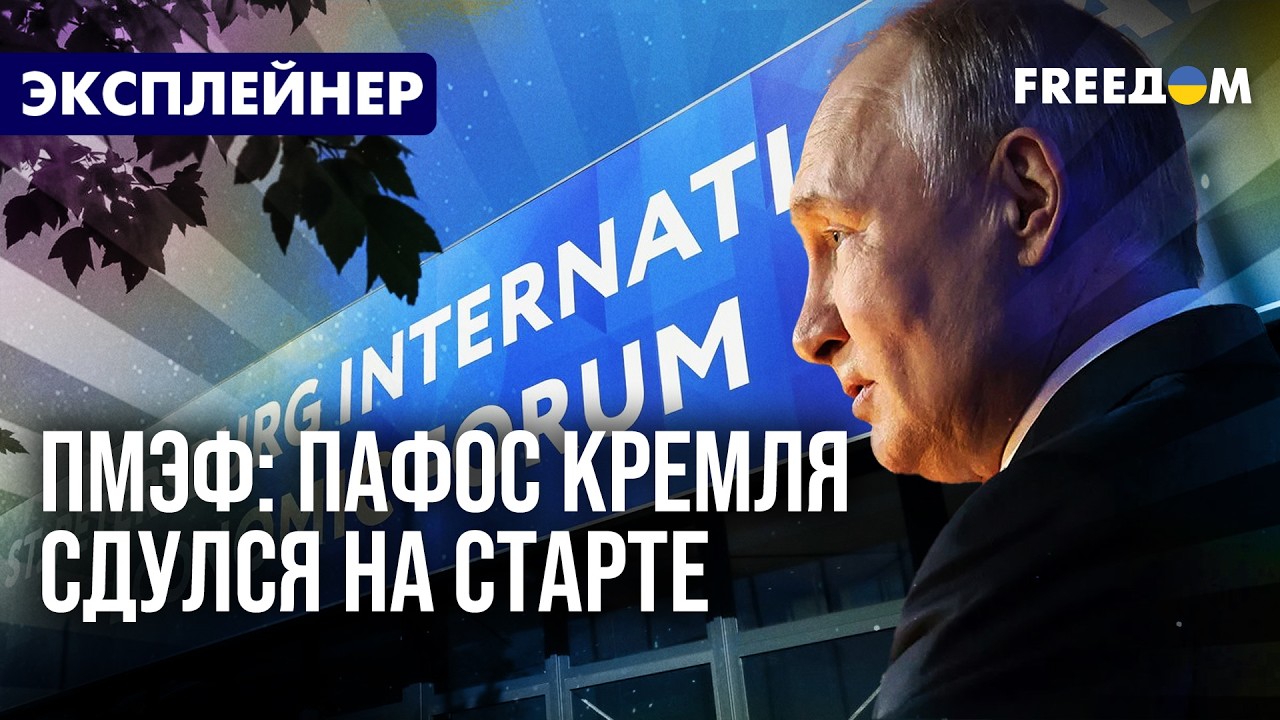
Russia’s Economy in Focus at the St. Petersburg International Economic Forum
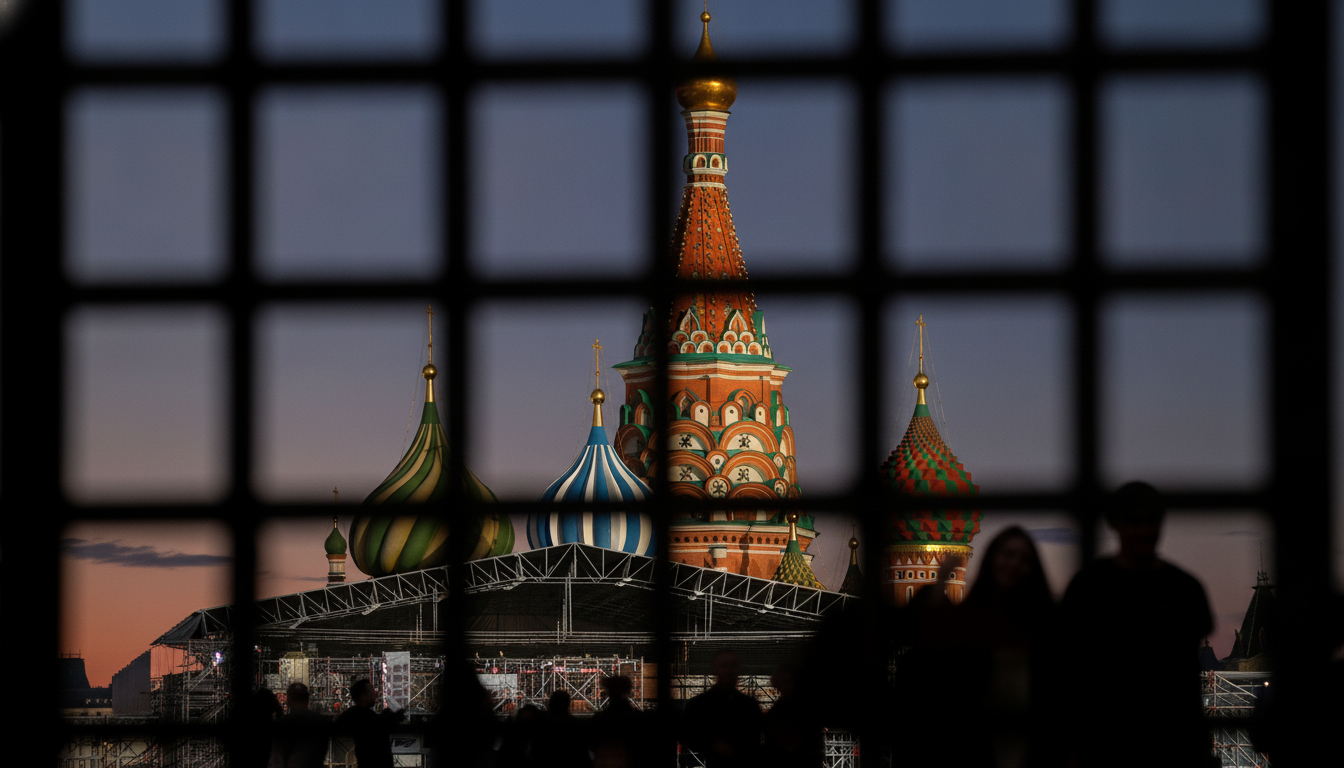
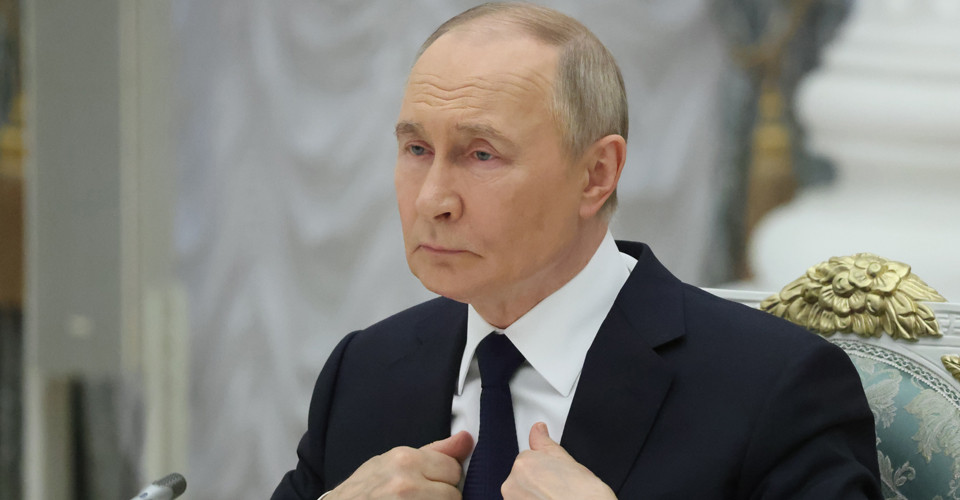
According to UATV: During the St. Petersburg International Economic Forum (SPIEF), Russian President Vladimir Putin asserted that the nation’s economy remains stable. However, these assurances stand in stark contrast to record-breaking declines in investment and a widening budget deficit. Founded in 1997, SPIEF has seen its relevance diminish sharply due to the absence of Western investors and shifting global economic dynamics.
By 2022, no Western investors attended the forum. Instead, a delegation from the Taliban and representatives from several African nations became the main international guests. In the first quarter of 2026, Russia experienced a 15% drop in fixed capital investment. Additionally, the country’s budget deficit for 2023 reached nearly 6 trillion rubles, while corporate profits fell by 4% in 2022 and by 26% in the first quarter of 2023.
Expert Analysis and Consequences
According to experts cited by
The Moscow Times, “the collapse in investment is the inevitable result of prolonged tight monetary policy combined with declining corporate revenues.” Without a doubt, the Russian economy faces severe challenges, including a sharp investment downturn, budget shortfalls, and growing reliance on China. Meanwhile, the forum’s entertainment lineup has shifted: rather than famous performers, attendees now see folk choirs and fistfights.
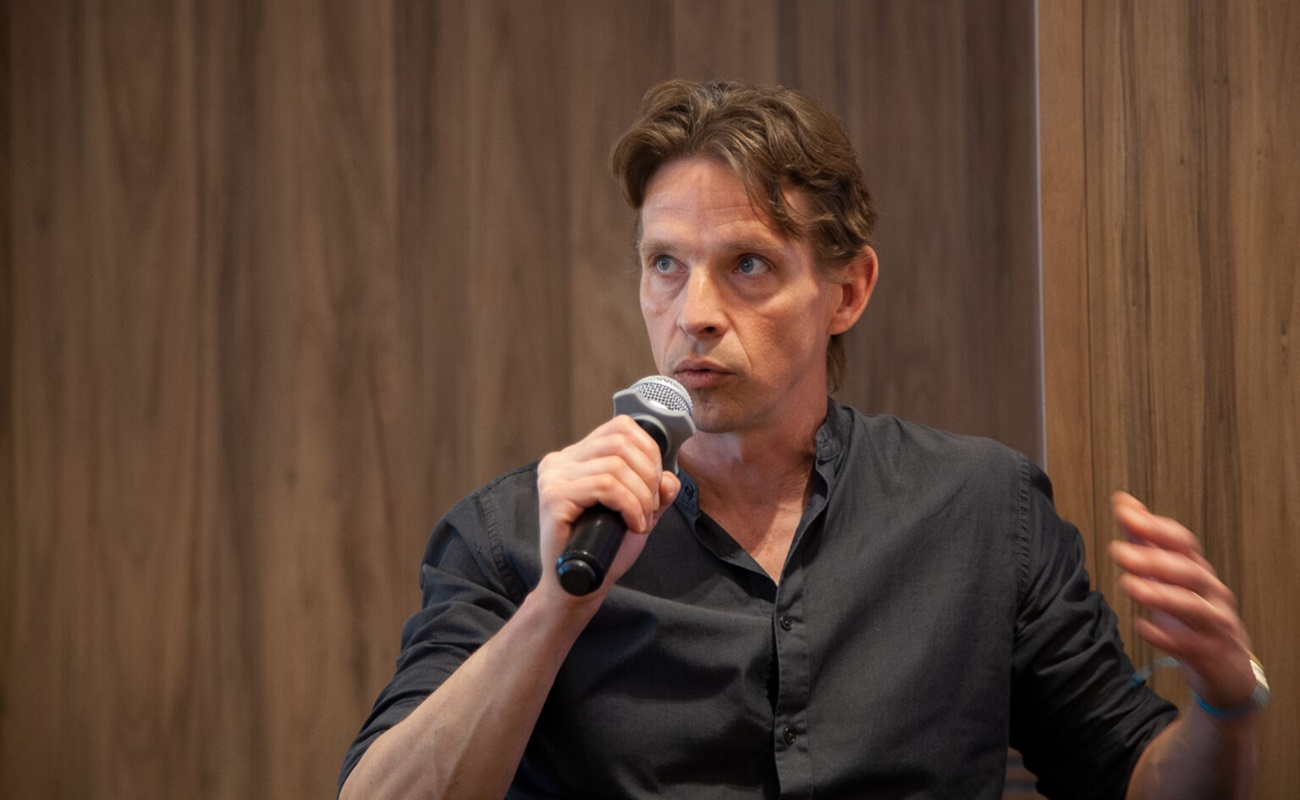
Bloomberg reports that “Putin’s annual economic forum in St. Petersburg has become a symbol of Russia’s deepening isolation.” Analyst Edward Lucas adds that “Russia is not a very large market and is not a reliable part of the global supply chain.” These facts underscore the difficult situation on Russia’s economic front, where official claims of stability clash with real-world economic pressures.
The current state of the economic forum reflects a broader trend of Russia’s increasing international isolation. The absence of Western investors, a growing budget deficit, and shrinking profits all point to deep structural problems in the economy. These issues could have long-term consequences for the country’s development and its standing in the global economy, as restoring investor confidence would require significant policy shifts and economic reforms.
Read also
- Russia Planning a New Fall Mobilization: When Recruits Could Reach the Front Lines
- Feigin Reveals Putin's Litmus Test: When Mobilization Plans Will Become Clear
- Putin Now Acknowledges Ukraine's Strength, Says Former Polish Defense Minister, Marking a Turning Point in the War
- Feigin Reveals Who Arranged Melnychenko's Interview and Why Russian Oligarchs Are Fleeing
- Putin’s Approval Rating Plunges to 66% as Russia’s Fuel Crisis Worsens
- Why Russia Sees Turkey as a Viable Negotiation Hub: Three Key Reasons