Millions of businesses in the UK await changes to the VAT threshold: what the government plans.

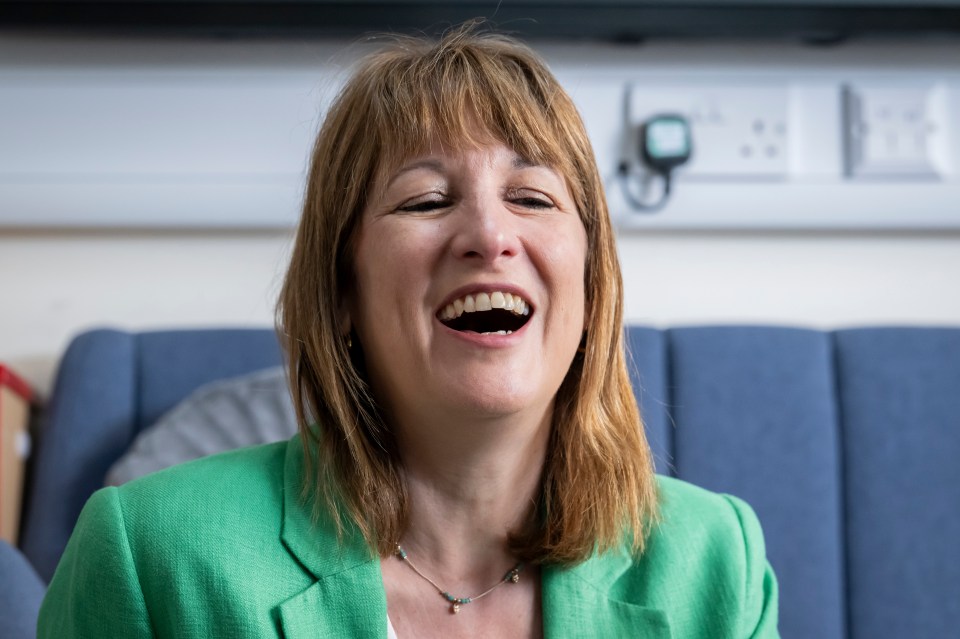
According to The Sun: Rachel Reeves plans to lower VAT thresholds to stimulate sluggish economic growth as part of her second budget.
Currently, small businesses must register for VAT if their annual income exceeds £90,000.
PAHowever, the Chancellor is considering the possibility of raising this threshold to support entrepreneurship and growth, according to information from The Telegraph.
Additionally, Reeves is reportedly planning to raise taxes on homeowners, landlords, and workers to balance public finances.
Earlier this year, Whitehall officials discussed the idea of raising the VAT threshold to stimulate business.
However, it may face opposition from Torsten Bell, the pensions minister, who has significant influence over budget discussions.
The Resolution Foundation, Bell's former organization, called for a reduction of the VAT threshold to £30,000, which would require more businesses to register.
VAT, or value-added tax, is a tax applied to most goods and services in the UK.
If businesses exceed the VAT threshold, they are required to register for VAT with HMRC.
Registered businesses must charge VAT on sales and regularly submit returns detailing the VAT they have collected and paid.
They pay the difference between the VAT collected and reclaimed to HMRC.
The Importance of the VAT Threshold
The VAT threshold is significant because it determines which businesses must register for VAT.
Raising the threshold would mean that fewer businesses need to register, reducing administrative costs and encouraging the growth of small companies.
Lowering the threshold would necessitate the registration of more businesses, increasing public revenue but significantly complicating operations for small companies.
The Treasury has been asked for comments.
What Other Measures Are Being Considered?
In addition to VAT reforms, Reeves is exploring other tax measures to strengthen public finances.
The National Insurance contributions from rental income are under review, raising concerns among critics who warn of negative impacts on tenants.
Kirstie Allsopp, a property expert and television presenter, criticized this idea as “humiliation for tenants under the guise of humiliating landlords.”
Homeowners may also face changes to inheritance tax, with proposals to limit tax-free gifts between family members.
Such reforms could bring millions to the Treasury but raise concerns about the transfer of family wealth.
Rumors of a potential annual tax on properties valued over £500,000 have also sparked discussions, as critics warn of destabilizing effects on the housing market.
Officials are considering replacing the council tax with a local property tax.
This would involve a complete overhaul of the current system, which has been in place since 1993.
The potential introduction of a capital gains tax on properties valued over £1.5 million could also affect around 120,000 homeowners, with tax liabilities that could reach £200,000 for some.
Meanwhile, pension tax reliefs are under review, as Reeves considers implementing a flat rate that could reduce benefits for high earners but bring in billions annually.
Despite numerous potential reforms, Reeves faces increasing pressure to focus on boosting productivity.
Treasury officials fear improving growth forecasts from the Budget Responsibility Office could deepen financial instability.
Reeves is expected to focus on economic growth in her next budget, warning of Britain’s “stagnant” economy that needs bold solutions.
What to Do Next
None of the possible changes have been confirmed yet.
The government has not definitively ruled them out, but any measures will not take effect until the autumn budget, the timing of which is currently unknown.
Do not rush to conclusions based on current budget speculation.
When changes are announced, you will be able to make decisions to avoid negative impacts on your finances.
For example, if changes to property taxes are to take effect on a certain date, you may want to move to a new home before that deadline.
Or, if the government decides to introduce a capital gains tax on high-value properties, you might wish to downsize your home before the changes take effect.
Most proposals pertain only to very wealthy individuals, so you may not even be affected by the tax changes.
There are certain actions you can take if you have concerns.
Get Financial Advice
If you are concerned about your finances, consider consulting a financial adviser.
They can provide you with guidance specific to your situation and explain whether the proposed measures will impact you.
You can find an adviser using the service unbiased.co.uk – but keep in mind that you will need to pay a fee.
Make a Will
Ensure your assets are passed according to your wishes by making a will, as Mr. Young advises.
If you die without a will, your estate will be subject to general rules, which could result in higher tax liabilities.
This is especially important for unmarried partners, as they do not receive automatic inheritance, even if they have lived together for many years.
Review our guide on making a will.
Update Your Finances
It’s beneficial to review your finances and create a financial plan at least every six months.
Assess all your bills, expenses, and income, considering any changes like rising costs or new income sources.
Determine what needs to be done to maximize your funds, such as whether to prioritize debt repayment or save for a deposit to purchase a home.
Our guide on reducing tax liabilities can help you avoid unnecessary tax expenses.
Current discussions on tax policy changes are related to increasing the government's financial accountability and creating new opportunities for economic growth, particularly for small businesses.
Given the changes in the tax system, it’s essential to stay informed about the new rules and adapt your financial management strategies accordingly to protective actions and opportunities that might arise from reforms.
Read also
- Facing Diesel Shortages, Russia Bans Exports and Turns to Imports for the First Time
- Kyrgyzstan Scrambles for Fuel as China and Belarus Step In to Replace Russia
- UDP Leadership Accused of Asset Theft: Losses Hit $7 Million
- Russia Faces Fuel Crisis: Putin Admits Shortages as Moscow Prepares to Import Petroleum Products
- Half a Million Bankruptcies in One Year: Russia’s Economy on the Brink of Collapse
- Defense Forces Strike Halts Key Russian Refineries: Fuel Shortage Expected to Hit 30,000 Tons